




What An Ankou Bottle Breaking Force Detector Measures
An Ankou bottle breaking force detector measures the force needed to break open a container at a designated opening point. The term may refer to testing a glass ampoule neck, but buyers should confirm the container geometry and intended break location before specifying equipment. The result helps assess whether a container can be opened consistently while maintaining the protection expected during storage and handling.
The central measurement is normally the peak force, expressed in newtons, recorded as a fixture applies a controlled load until the neck breaks. Depending on the instrument, a force-displacement curve may reveal how the specimen behaves before failure. Results describe the complete test setup as well as the container: support position, loading point, direction, speed, and sample orientation all affect the outcome.
Breaking force is one part of a wider packaging assessment. It does not by itself establish sterility, container closure integrity, chemical compatibility, or freedom from glass particles. Manufacturers and laboratories should connect opening-force data with their product specifications, risk assessment, and other relevant packaging tests rather than treat one measurement as proof of overall package suitability.
How The Test Method Works
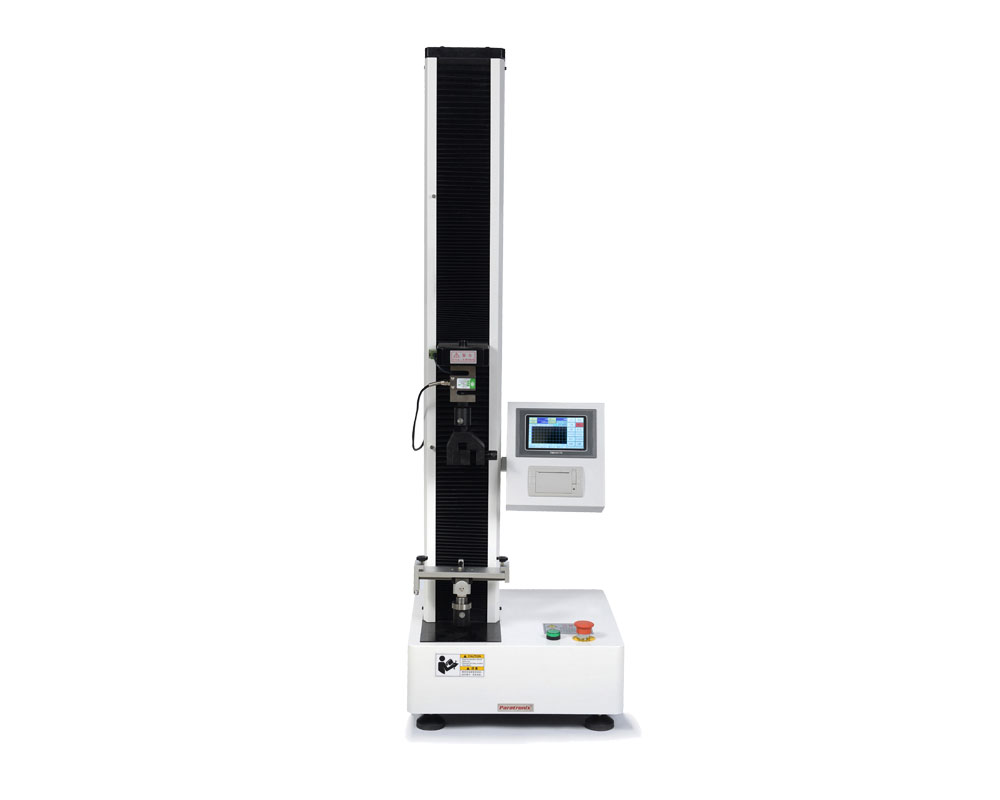
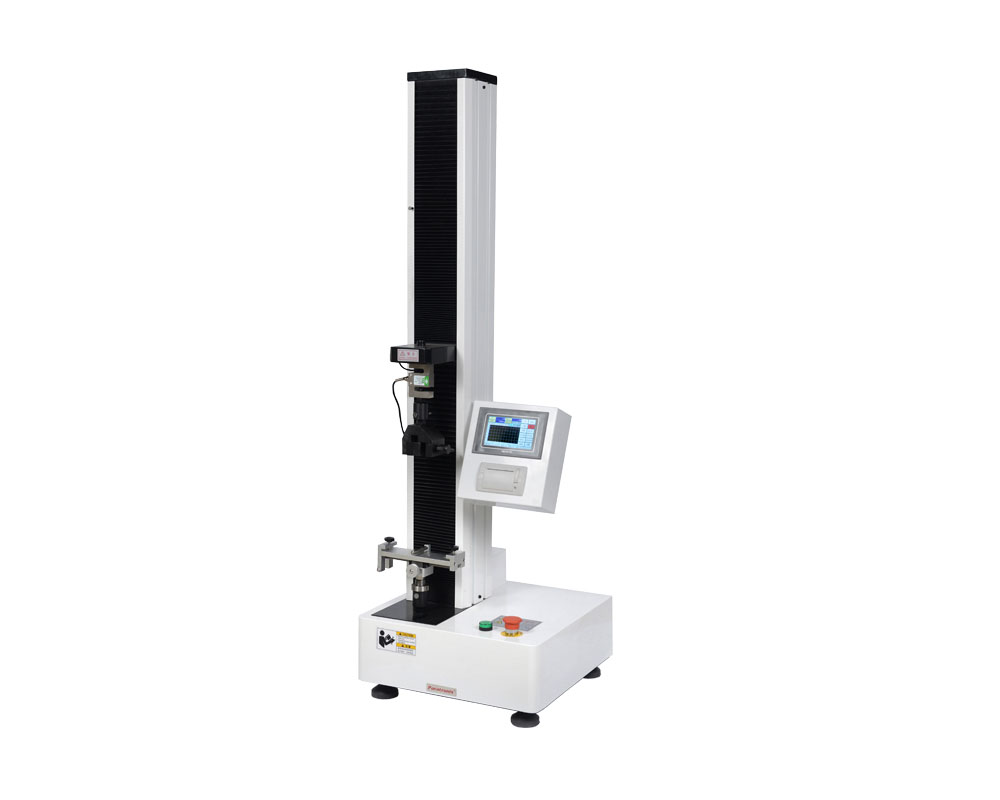
A typical system combines a force sensor, a moving crosshead or loading mechanism, specimen supports, and a fixture that transfers force to the opening point. The operator places the container in the prescribed orientation, starts the test, and observes the force increase until fracture. Software or a display captures the peak; some systems also retain the curve and test parameters for review.
Before testing, identify the sample size, conditioning requirements, loading speed, fixture dimensions, and acceptance limits in the applicable method. Inspect the specimen and fixture for damage, then position the neck and body consistently. For scored or marked ampoules, follow the orientation specified by the applicable standard or approved procedure. Record deviations, since a misplaced support or different loading point can change the measured force.
After each break, remove fragments using the laboratory's safe handling procedure and inspect contact surfaces before the next specimen. Review individual readings and the distribution across the sample set, not just the average. An unusually high or low result may reflect real container variation, fixture alignment, or handling error; investigate it under the laboratory's documented procedure before drawing conclusions.
Equipment Types And Fixture Choices
Dedicated breaking-force instruments are configured around a particular test and may offer straightforward setup for routine production checks. Multipurpose mechanical testers use interchangeable fixtures and may support several packaging measurements on one platform. Either approach can be suitable; the decision depends on sample variety, throughput, method requirements, available space, and the effort required to change and verify fixtures.
The fixture must accommodate the actual container dimensions and apply the load at the required point without unwanted movement. Ask suppliers how supports are adjusted, how alignment is checked, and whether the fixture contacts the sample in the way required by your method. If several ampoule sizes are used, confirm the compatible range and whether separate fixtures or adapters are needed.
A manual loading arrangement may suit exploratory work, while a motor-driven system can provide a controlled crosshead speed and more consistent operation when properly configured. Compare the available force range, resolution, overload protection, data capture, and cleaning access. A larger capacity is not automatically better: the selected sensor must also measure the expected forces with suitable performance for the application.
Standards And Pharmaceutical Packaging Applications
For pharmaceutical glass ampoules, ISO 9187-1 is a relevant reference for open-point ampoules and includes requirements associated with opening force. Confirm the current edition, applicable container type, specified test conditions, and any limits before adopting it. Product specifications, pharmacopoeial requirements, customer agreements, and local regulations may also apply; the applicable combination depends on the product and destination market.
Force measurement verification can be assessed against an appropriate procedure, with ISO 7500-1 potentially relevant to the static force-measuring system of a testing machine when its scope and conditions fit. ISO/IEC 17025 concerns laboratory competence and is not a product certification for the instrument. Ask for calibration documentation, traceability, uncertainty information where applicable, and evidence that the complete method is fit for its intended use.
Glass packaging manufacturers, pharmaceutical quality teams, and independent laboratories can use breaking-force measurements during development, incoming inspection, and production monitoring. paratronix lists multipurpose testers and medical packaging physical performance testers among its equipment offerings, alongside leak and seal strength testers. Discuss the specific ampoule method and fixture with the supplier to establish whether an available configuration meets the requirement.
How To Select And Qualify A System
Start a purchase specification with the container drawing, intended break point, sample dimensions, expected force range, target test speed, and governing method. State the number of samples per shift and whether results must be exported or retained electronically. Provide representative specimens where practical. This allows a supplier to assess fixture compatibility and identify configuration questions before a quotation is finalized.
Evaluate the force sensor across the portion of its range where samples will actually be tested. Request the applicable accuracy specification, calibration range, resolution, verification method, and service interval rather than comparing headline capacity alone. Check that crosshead travel and speed suit the fixture, and ask how the instrument detects a break and records the peak when fracture occurs quickly.
Before routine release testing, document installation checks and verify the instrument and fixture against your approved procedure. A qualification study can examine repeatability, operator effects, sample positioning, and agreement with an established method where appropriate. Define data review, acceptance criteria, maintenance, and change control in advance. Investigate unexpected shifts after fixture replacement, relocation, software updates, or changes to the container design.
Operating Quality Control And Maintenance
A practical routine begins with a clean work area, a visual inspection of the fixture and sensor connections, and the checks required by the laboratory procedure. Verify that the correct method, units, speed, and sample identification are selected. Use suitable guards and protective equipment for breaking glass, and follow site procedures for fragment collection and disposal. The instrument supplier should explain any equipment-specific precautions.
Schedule calibration and preventive maintenance according to manufacturer guidance, usage, and the laboratory's risk assessment. Maintain records of calibration status, repairs, fixture wear, and software changes. Between formal calibrations, use an appropriate documented check when required by the quality system. If a check fails, assess the potential effect on previous results and follow the site's procedure for equipment and affected samples.
Trend results by container size, supplier, lot, and test method where sample volumes justify it. A gradual change in force distribution may prompt examination of scoring, glass geometry, or the test setup before an acceptance limit is exceeded. Retain individual readings and relevant conditions so that investigations can distinguish a packaging change from a measurement or handling issue.
Cost Ownership And Future Trends
The purchase price of an Ankou bottle breaking force detector is only one part of ownership cost. Include fixtures for each container family, calibration, installation, training, maintenance, replacement parts, software, and any qualification work. Also account for operator time, sample consumption, and the effort needed to manage test records. Obtain an itemized quotation so optional capabilities and recurring charges are visible.
Estimate return on investment using your own baseline: compare current testing time and outside laboratory charges with the expected cost and capacity of the proposed setup. Include implementation time and realistic utilization, especially if a multipurpose tester will serve several methods. Faster testing has value only when the resulting method remains suitable and the data can support the intended quality decision.
Packaging laboratories are increasingly interested in connected records, easier retrieval of test parameters, and equipment that supports multiple physical tests. These capabilities should be assessed against data integrity needs, service availability, and the complexity they add to qualification. To discuss a suitable configuration with paratronix, prepare your sample drawing, standard or internal method, force range, throughput, and documentation expectations.

 ETT-A Auto Tensile TesterETT-A Auto Tensile Tester is is applicable to determination of tensile properties, peel strength (90°,180°), deformation, tearing strength, heat seal strength, puncture resistance, opening force, low-speed unwrapping force, pullout force and other properties of plastic films, composite materials, adhesives, adhesive tapes, medical patches, protective films, pressure sensitive paper, combination caps, metal foils and back panel materials, etc.
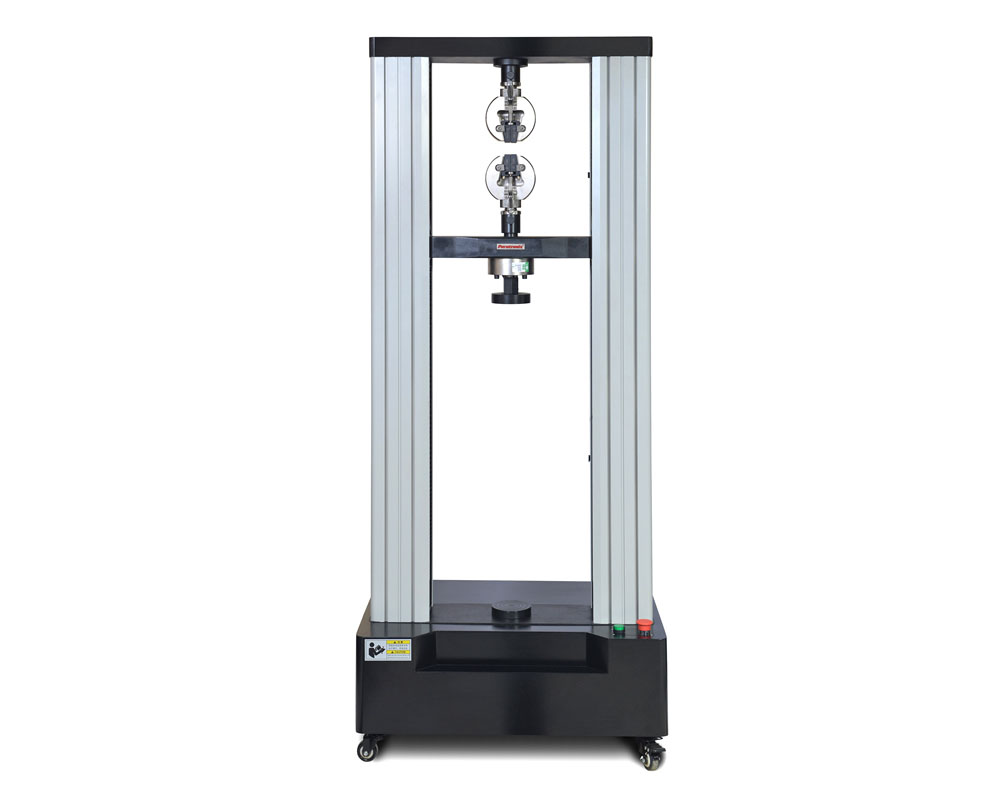
 ETT-C Material Testing Machine (Universal testing machineETT-C microcomputer controlled electronic universal testing machine is the latest developed testing machine of our company, the design of the main engine and accessories, with beautiful appearance, easy operation, stable and reliable performance characteristics.
Search by Keywords