




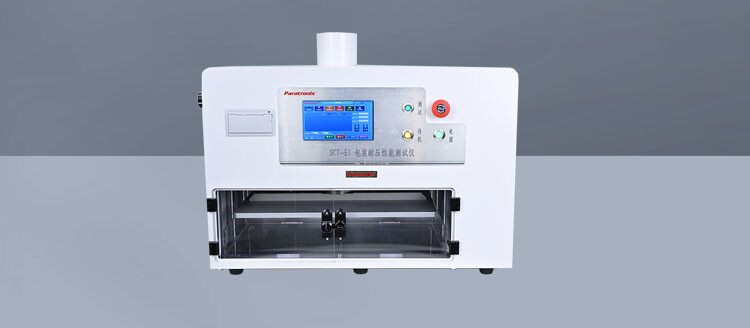
What An ASTM D642 Package Compressive Resistance Tester Measures
An ASTM D642 package compressive resistance tester applies a controlled compressive load to a shipping container and measures its response. ASTM D642 addresses the compressive resistance of shipping containers, components, or both. Depending on the specified procedure, the test may determine the load needed to cause failure or evaluate performance under an applied load. Results help engineers understand how a package behaves when subjected to compression during handling, storage, and distribution.
The equipment normally consists of a load frame, two platens, a drive mechanism, a force measurement system, and controls that record or display the test response. The specimen sits between the platens while the machine applies force in the selected direction. A force-versus-displacement record can reveal peak resistance and changes in stiffness, but the observed failure mode and specimen condition are also essential to interpreting the result.
Compression resistance is a property of the tested package and its test conditions, not a guarantee of safe stacking in every supply chain. Container construction, contents, moisture exposure, load distribution, and handling damage all affect performance. Buyers should obtain the current applicable edition of ASTM D642 and agree on conditioning, specimen preparation, loading orientation, and acceptance criteria before comparing results across laboratories or suppliers.
How The Test Method And Equipment Work
A typical workflow starts with identifying the container, its contents or representative substitute, closure method, and intended loading orientation. Condition specimens as required by the applicable specification, then place each specimen centrally between the platens. The operator selects the prescribed test mode and loading rate, starts the machine, and observes deformation. The test ends at the specified endpoint, such as failure or completion of an agreed load condition.
The drive moves a platen while a calibrated force sensor measures the applied load. The control system displays force and, where equipped, platen travel or another displacement measurement. Peak force identifies maximum measured resistance during a test to failure; the curve can also show buckling or progressive collapse. Platen travel is not necessarily identical to package deformation because machine and fixture deflection can contribute to the reading.
Reports should identify the standard edition and any departures from the agreed method, along with specimen dimensions, construction, conditioning, orientation, test conditions, individual results, and observed damage. Record whether contents were present and how the package was closed. Use an agreed sample quantity and report variation, not just an average. These details make supplier comparisons more meaningful and help investigators distinguish package changes from changes in test setup.
Equipment Types And Selection Criteria
Compression systems vary by force capacity, platen dimensions, usable test height, drive control, and data collection. Smaller machines may suit individual components or compact containers, while larger frames accommodate assembled shipping packages. Fixed or pivoting platen arrangements can influence contact with the specimen and the measured response. Confirm that the chosen configuration is permitted by the applicable method and matches the comparison you intend to make.
Choose capacity so expected forces fall within the instrument's verified measurement range, with allowance for stronger specimens. Platens must accommodate the package and provide the required contact; test space must also permit safe loading and deformation. Review force accuracy, speed control, displacement measurement, emergency stops, and calibration access. Ask the supplier to document performance across the intended working range rather than relying only on the machine's maximum capacity.
Software and serviceability matter when results are used for release decisions or supplier qualification. Check whether the system stores raw curves, records operator and specimen details, exports data, and protects test settings. Confirm installation requirements, operator training, spare parts, calibration support, and software compatibility. Before purchase, provide representative package sizes and expected load levels, and request a documented demonstration against the intended procedure.
Applications And Related Packaging Tests
Corrugated box manufacturers, packaging converters, brand owners, logistics teams, and independent laboratories use compression testing to compare designs and investigate failures. A team may test a filled container before changing board grade, assess an alternative closure, or compare supplier lots under agreed conditions. For distribution decisions, combine the result with knowledge of stacking patterns, storage duration, humidity, vibration, and handling rather than treating a single peak load as a complete distribution assessment.
ASTM D642 is a test method, not a universal market approval or a substitute for a customer's packaging specification. Other standards or distribution test plans may apply depending on the product, destination, and contractual requirements. For regulated or hazardous goods, determine the relevant rules and qualification procedures separately. A test report should state the method and results without implying certification or regulatory acceptance that has not been established.
Compression is one part of a broader packaging assessment. paratronix lists water vapor permeability testers, leak and seal strength testers, torque testers, friction coefficient testers, and medical packaging physical performance testers among its offerings. These categories can support separate questions about barrier performance, closure integrity, handling, or package opening. Buyers seeking an ASTM D642 package compressive resistance tester should confirm directly whether paratronix can supply a suitable configuration and document its capabilities.
Installation Quality Control And Maintenance
Install the machine on a suitable stable surface with the electrical supply and clearance specified by its manufacturer. Verify platen condition, alignment, travel limits, safety functions, and force measurement before routine use. Establish a documented method covering specimen preparation, positioning, conditioning, test settings, endpoint, and reporting. Train operators to recognize uneven contact, damaged specimens, and setup differences that can make apparently similar results difficult to compare.
Set calibration and verification intervals using the manufacturer's instructions, applicable requirements, usage, and the consequences of measurement error. Arrange traceable calibration through a competent provider and retain records of the force ranges checked, results, adjustments, and due dates. Inspect platens, guards, cables, and the drive system routinely. Investigate unexpected shifts using reference specimens or control samples where practical, while recognizing that packaging samples themselves can vary.
For quality control, define acceptance limits from product requirements and validated packaging decisions before testing production lots. Retain individual curves and failure descriptions so changes can be investigated. If a result falls outside the agreed limit, check specimen identity, conditioning, setup, and equipment status before drawing conclusions. A retest policy should be established in advance; repeating tests selectively until a preferred result appears can hide a genuine problem.
Ownership Costs And Future Developments
The purchase price is only one element of total ownership cost. Include delivery, installation, site preparation, training, fixtures, calibration, preventive maintenance, software support, spare parts, and potential downtime. Larger platens, higher capacities, and additional data features may add cost. Request a quotation that separates included services from recurring charges, and compare warranties and response arrangements against the laboratory's expected workload and operating location.
Estimate return on investment using the number of tests brought in-house, avoided external laboratory charges, lead-time savings, and the value of faster packaging decisions. Account for staff time, specimen preparation, and annual operating costs. External testing may remain sensible for infrequent work or specialized qualification, while an in-house system can support frequent development and incoming inspection. Treat damage reduction as a potential benefit only when supported by relevant operational data.
Future purchasing decisions are likely to place more weight on traceable digital records, easier data exchange, and packaging designs that use materials efficiently. Lighter or recycled materials may require additional verification because their performance depends on construction and environmental exposure. When assessing a new system, ask how test records can be retrieved over time and how procedures can be updated as standards and customer requirements change. Provide paratronix with your test scope to discuss the relevant equipment categories.

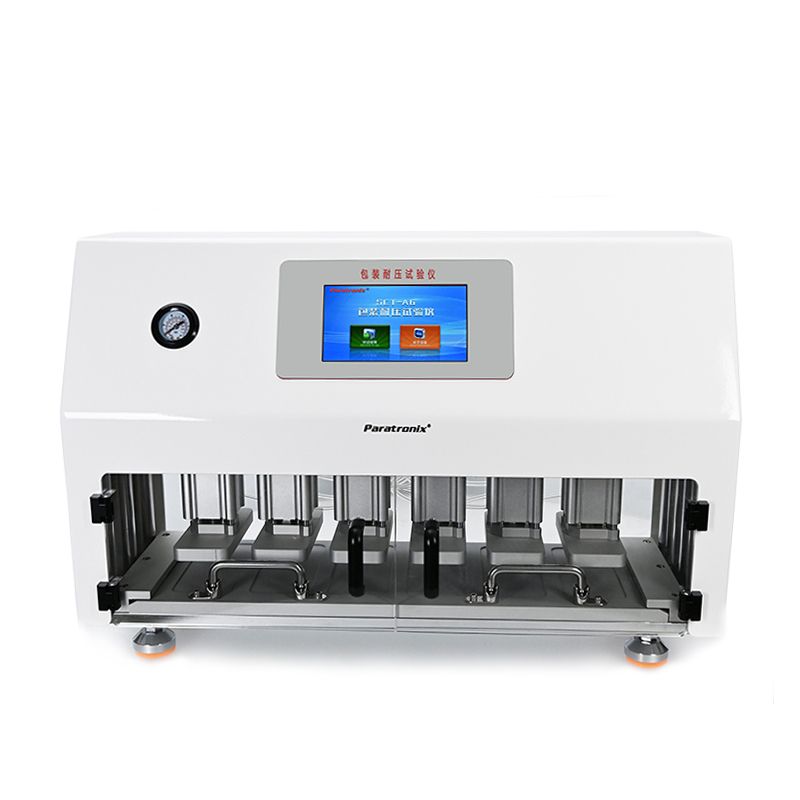
 SCT-A6 Package Compressive Resistance TesterSCT-A6 Package Compressive Resistance Tester can be used to test the compressive resistance of small packages such as sauce packet, seasoning packet, ketchup packet, salad packets, vegetable packets, jam packets, cream packets as well as small pharmaceutical packages by observing the occurrence of leakage under certain pressure after a specified time.
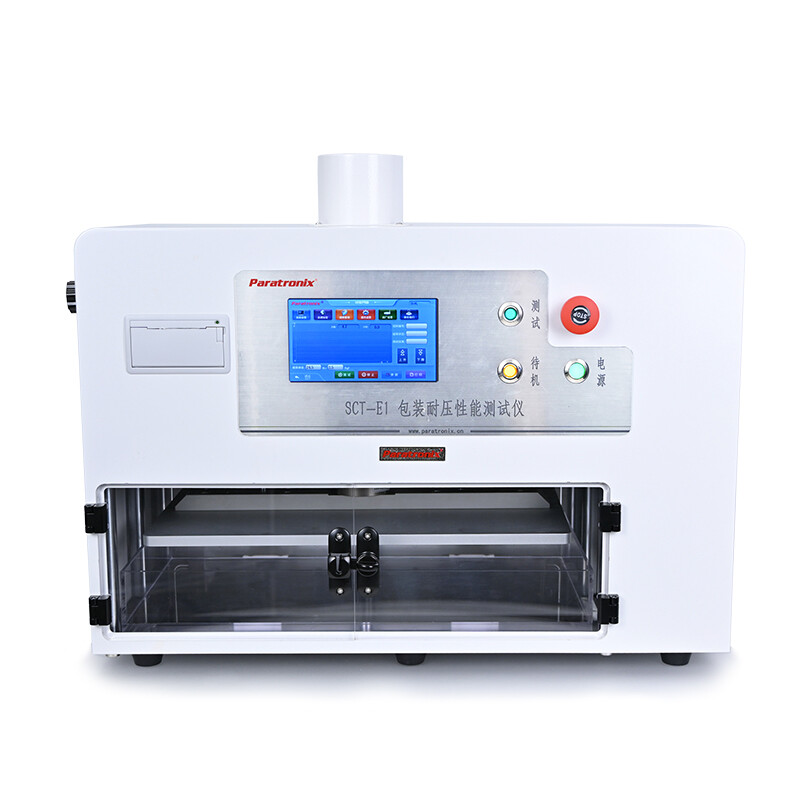
 SCT-E1 Package Compressive Resistance TesterSCT-E1 Package Compressive Resistance Tester can be used to test the compressive resistance of plastic bags, paper bags, carton boxes and other flexible packaging bags for food, drugs by observing the occurrence of leakage under certain pressure after a specified time.
Search by Keywords