




What A Coefficient Of Friction Tester Measures
A coefficient of friction tester measures the resistance to movement between two contacting surfaces under specified conditions. The coefficient is the friction force divided by the normal force, so it has no unit. Depending on the method, a test may report static friction at the start of movement, kinetic friction during sliding, or both. A coefficient of friction tester price reflects the equipment and controls needed to produce these measurements consistently.
A common laboratory configuration pulls a weighted sled across a specimen at a controlled speed while a force sensor records resistance. Software or a display converts the force readings into coefficients using the specified normal load. Surface preparation, sled mass, contact area, sliding speed, and specimen orientation can all affect the result. Comparing instruments therefore requires more than comparing their quoted force ranges or headline prices.
Friction data helps manufacturers predict how films feed through packaging machinery, how printed surfaces slide against each other, and whether stacked materials can be handled reliably. Results describe the tested surface pair under the stated conditions; they are not universal properties of one material. Procurement teams should define the actual contact materials and production problem before asking suppliers for quotations.
Measurement Methods And Equipment Types
Horizontal sled instruments are widely used for plastic film and sheet testing. They draw a sled over a stationary surface and record the force throughout the travel. Depending on the required method, specimens may be tested against the same material or a specified counterface. Buyers should check whether the quoted sled, specimen mounting arrangement, travel distance, and speed suit their intended procedure.
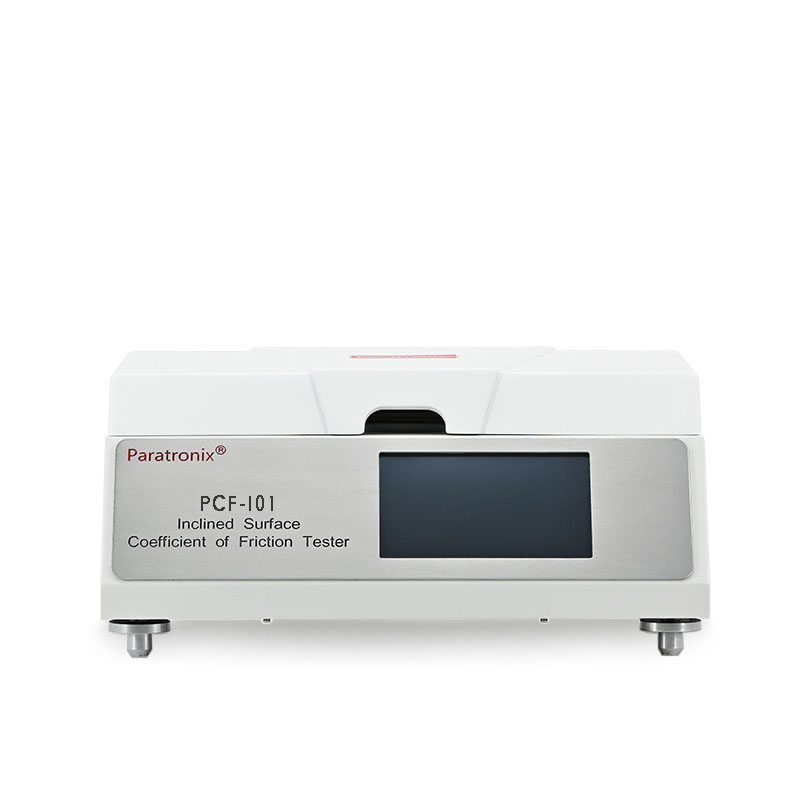
Inclined plane methods assess resistance as a surface is tilted until sliding occurs. These methods can be useful for certain packaging materials, but results are not automatically interchangeable with horizontal sled measurements. A multipurpose testing machine may also perform friction tests when fitted with suitable fixtures and controls. Its usefulness depends on whether it can maintain the required speed, load, sampling, and test geometry.
Equipment ranges from instruments with basic local readouts to systems with computer control, stored test methods, and detailed force curves. More automation can reduce manual transcription and improve traceability, but it adds hardware, software, and support considerations. Ask to see a representative report and confirm how the instrument identifies the static peak and calculates the kinetic value for the selected method.
Standards And Application Requirements
ASTM D1894 and ISO 8295 are commonly referenced methods for friction testing of plastic film and sheeting. They have specific procedural requirements and should not be assumed to be interchangeable. Obtain the current applicable edition, identify any customer specifications, and verify the required specimen preparation, conditioning, apparatus, and reporting details. A supplier's reference to a standard is a starting point for verification, not proof that every offered configuration meets it.
Flexible packaging converters may need to compare film surfaces before lamination or assess slip behavior after processing. Printers and label producers may test coated or printed faces, while laboratories serving several customers may need multiple fixtures and saved methods. State the material combinations, expected sample dimensions, and throughput in the request for quotation so suppliers can specify an appropriate configuration.
paratronix offers friction coefficient testers alongside multipurpose testers and equipment for permeability, leakage, torque, and seal strength testing. Buyers building a broader packaging test capability can discuss how these equipment categories fit their separate quality control needs. Request configuration details, applicable method support, and documentation for the specific instrument offered; the product range alone does not establish compliance with a particular standard.
The Main Factors Behind Purchase Price
Force measurement capability is a major cost driver. Buyers should consider the sensor range, accuracy specification, resolution, and the portion of the range over which performance is stated. A sensor sized for very high forces may be poorly suited to low-friction film tests, while a narrow range can limit future work. Ask for the complete specification and calibration conditions rather than judging performance from resolution alone.
Drive control and mechanical design also affect the coefficient of friction tester price. Stable travel speed, appropriate stroke length, secure specimen mounting, and controlled sled movement support repeatable testing. Different sample sizes or contact surfaces may require extra plates, sleds, or fixtures. Confirm which accessories are included and whether changing between methods requires additional equipment or operator adjustment.
Software, data handling, and service can make two similar quotations materially different. Computer integration, user access controls, report customization, and data export may be included, optional, or unavailable. Calibration documentation, installation, training, freight, taxes, and warranty terms can also change the landed cost. Ask each supplier to separate these items so the comparison reflects the same scope of supply.
How To Select And Verify A Tester
Start with a written test specification: materials and surface pairings, applicable standards, expected force levels, sample dimensions, required static or kinetic results, and daily test volume. Add any customer reporting and data retention requirements. Send the same specification to each supplier and request a clear list of included components, optional accessories, exclusions, lead time, and support arrangements.
Evaluate the proposed measurement range against representative samples, including low and high expected friction. Check the speed setting, sled mass, fixture geometry, travel distance, and force measurement specifications against the chosen procedure. Ask how the system handles the initial force peak and the measurement interval for kinetic friction. If a demonstration is available, use representative specimens and review the resulting force curve and report.
Before acceptance, agree on installation responsibilities, power and environmental requirements, training, and the documentation supplied. Define checks for instrument operation, relevant speed and force verification, and report generation. For comparisons with an existing laboratory, use a documented procedure and investigate differences in sample conditioning, surface orientation, fixtures, and calculations before attributing a discrepancy to the instrument.
Total Ownership Cost And Return On Investment
The purchase price is only the starting point. Total ownership cost includes delivery, commissioning, calibration, routine verification, replacement contact materials or fixtures, software support, operator time, and potential downtime. Service availability and shipping instruments or sensors for calibration can be significant for international buyers. Request a realistic service schedule and itemized quotations for recurring support before approving the purchase.
Estimate return on investment using your own operating data. Compare annual ownership and labor costs with plausible savings from fewer outsourced tests, faster release decisions, or reduced investigation time. If lower scrap or fewer production interruptions are included, document the baseline and the portion reasonably attributable to better friction control. Treat the calculation as a scenario, not a guaranteed outcome.
A lower initial quote may be economical for occasional tests when manual reporting and basic fixtures meet the requirement. A higher coefficient of friction tester price may be justified when workload, traceability, or multiple procedures make additional capability useful. Compare suppliers on a common multiyear horizon, including likely accessories and service, and retain assumptions so the purchasing team can revise them as demand changes.
Maintenance And Future Testing Needs
Keep contact surfaces clean and inspect sled coverings, fixtures, and specimen mounts for wear or contamination. Follow the supplier's maintenance instructions and your laboratory's quality system for verification and calibration intervals; the appropriate schedule depends on usage, risk, and applicable requirements. Record maintenance and investigate unexpected shifts using suitable reference materials or control samples where the procedure permits.
Testing needs can change as packaging structures, coatings, recycled content, and production speeds evolve. Laboratories may also place greater value on electronic records and consistent methods across sites. These developments make access to test data, available fixtures, and supplier support useful purchasing considerations. Verify upgrade options in writing rather than assuming future software or hardware compatibility.
For a useful quotation from paratronix, provide the relevant standard and edition, materials, sample sizes, expected test volume, destination, and desired documentation. Ask for the proposed friction coefficient tester configuration and a breakdown of accessories, calibration, delivery, and after-sales support. This information gives both parties a basis for assessing whether the offered system and its cost fit the application.
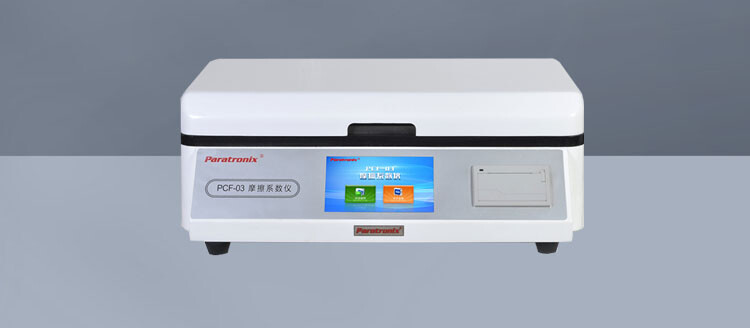
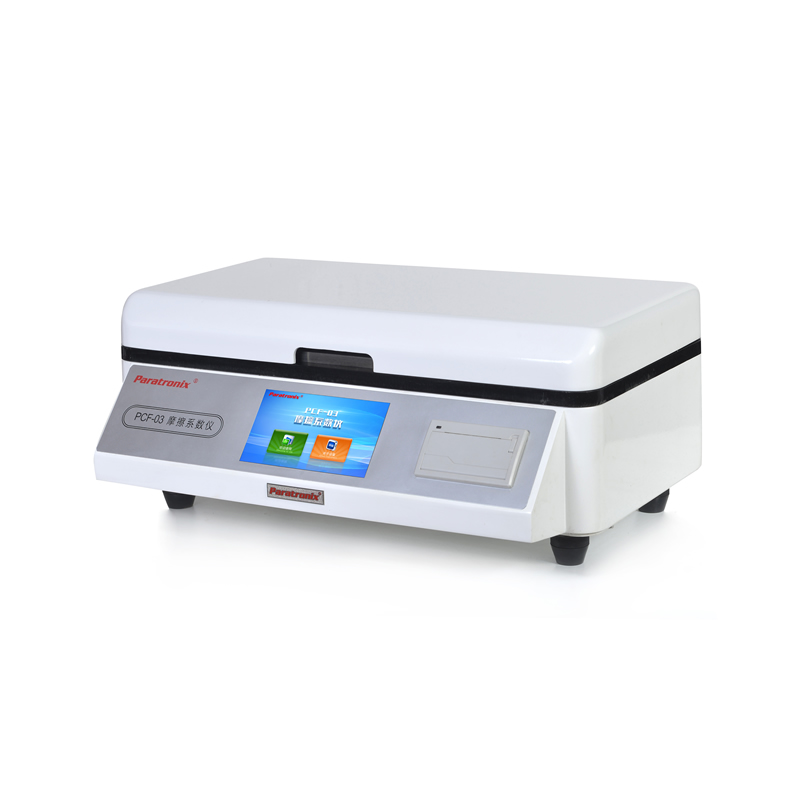
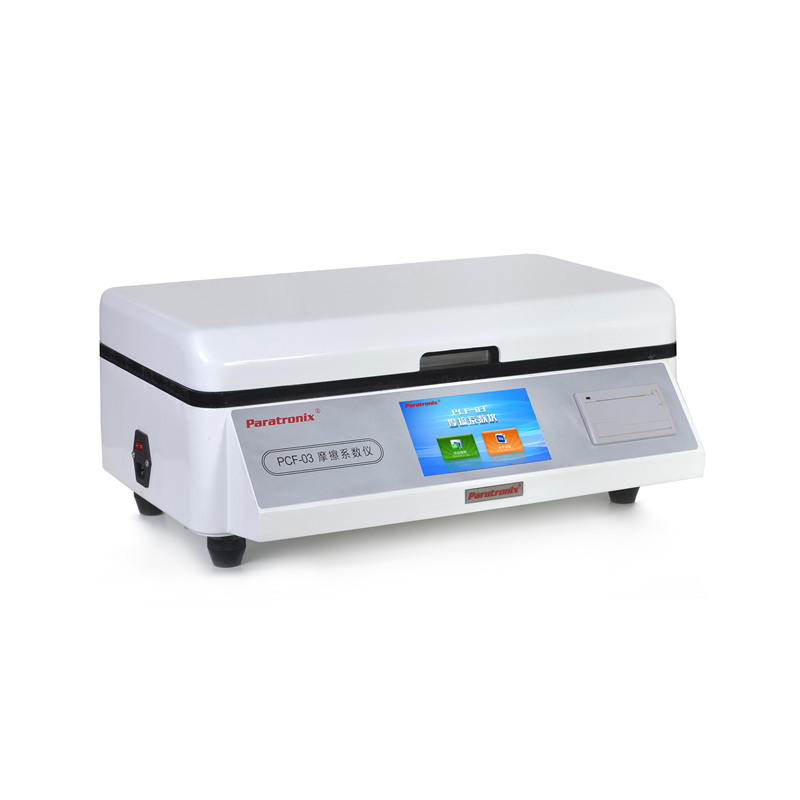
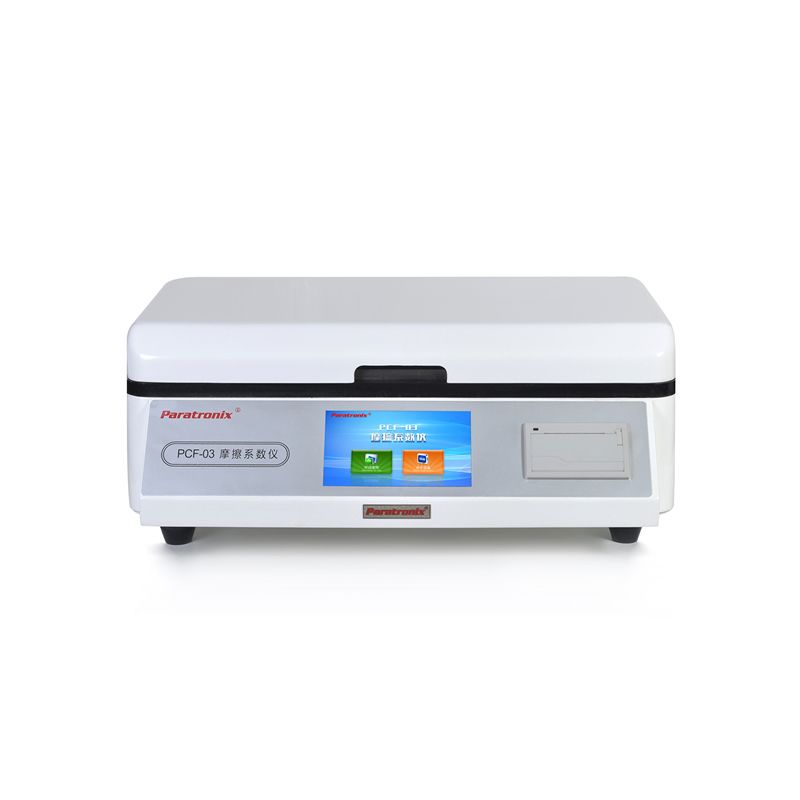
 PCF-03 Coefficient of Friction TesterPCF-03 Coefficient of Friction Tester is professional applicable to the determination of static coefficients of friction of paper, paper board, plastic films, sheets, convey belts and other materials. By testing the frictional properties of materials, the open performance of packages, packing speed of packers and other indexes could be controlled to meet requirements for production.
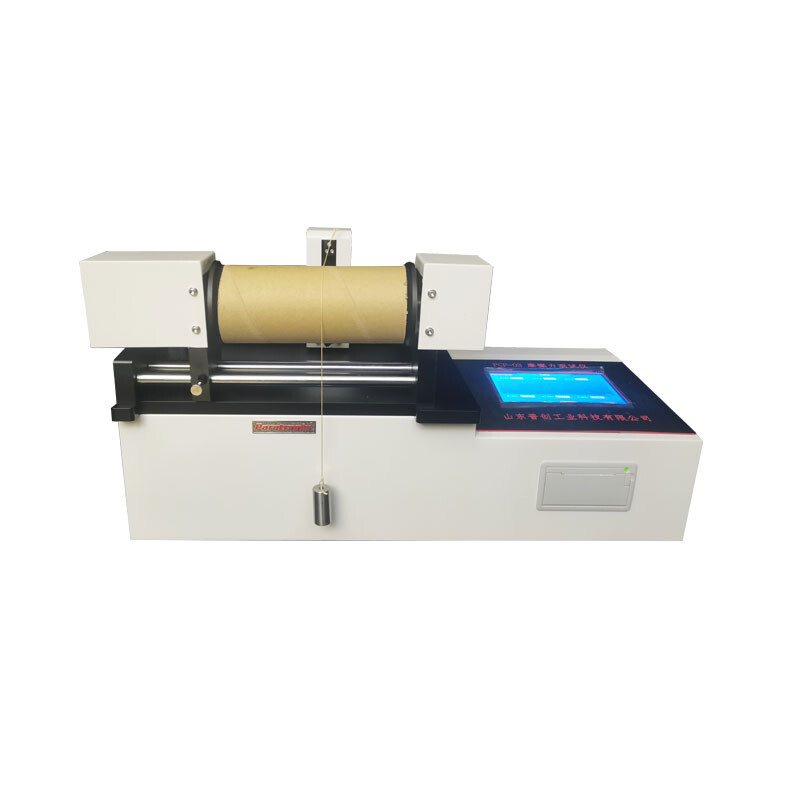
 PCF-03D Friction TesterPCF-03D Friction tester is based on customer requirements, for the detection of silk and paper roller friction and design, can provide stable speed, high-performance sensor acquisition of real-time force value. Provide reasonable test equipment and test program for manufacturers, quality inspection institutions, etc., to make reasonable and accurate evaluation of silk friction.
 PCF-I01 Inclined Surface Coefficient of Friction TesterThe PCF-I01 Inclined Surface Coefficient of Friction Tester is suitable for testing the coefficient of friction of materials such as paper, paperboard, plastic films, sheets, and conveyor belts.
Search by Keywords