




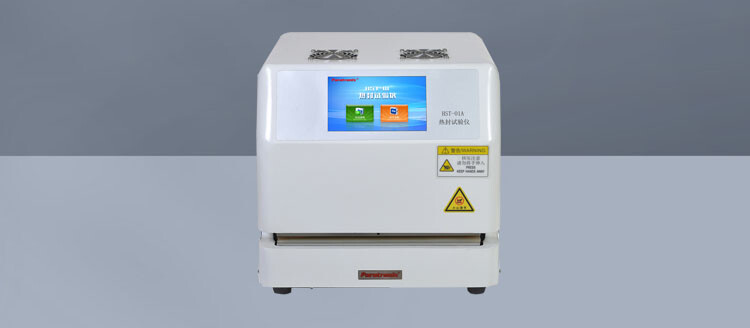
What Is An ASTM F2029 Heat Seal Tester?
An ASTM F2029 heat seal tester is laboratory equipment used to prepare heat seals in flexible materials under controlled conditions. Its purpose is to help determine the heat sealing properties of materials used in packaging. A typical instrument brings heated jaws into contact with a specimen while controlling sealing temperature, pressure, and dwell time. The resulting seals can then be evaluated using an appropriate strength test and documented alongside their preparation conditions.
ASTM F2029 describes a practice for making laboratory heat seals to determine heat sealability. It should be read together with the current applicable edition and the user's product specifications. The practice does not turn every laboratory seal into proof of finished package integrity. Material structure, machine settings, cooling, specimen preparation, and the subsequent test method all affect what the results can reasonably demonstrate.
The principal users include flexible film manufacturers, converters, packaging engineers, quality laboratories, and organizations qualifying medical or food packaging. Research teams may use the equipment to compare sealant layers; production teams may use it to investigate changes between material lots. Buyers should define whether their priority is material development, incoming inspection, process investigation, or supplier comparison before selecting an instrument and a test plan.
A heat seal tester makes specimens; it is different from a tensile tester that measures seal strength or a leak tester that examines package integrity. These instruments answer related but distinct questions. A useful laboratory workflow connects the seal conditions to a measured outcome, such as peel strength or leakage, and keeps the specimen identity traceable from preparation through the final report.
How Heat Seal Testing Works
Heat travels from the sealing surfaces through the packaging layers to the sealant interface. When the interface reaches a suitable condition and is held under pressure for a defined time, compatible surfaces can bond. Jaw temperature is a machine setting, not necessarily the temperature at the seal interface. Film thickness, thermal conductivity, coatings, and contact quality influence how quickly heat reaches the bonding layers.
Temperature, pressure, and dwell time interact, so changing one variable can alter the effect of the others. A screening plan may hold pressure and dwell time constant while testing a series of temperatures, then investigate other settings around the useful range. Include enough specimens at each condition to understand variability, and define conditioning and testing procedures before comparing results between material lots or laboratories.
After sealing, allow specimens to cool and condition them according to the selected procedure. Seal strength is commonly measured using ASTM F88/F88M where applicable. Record peak or other specified force results, specimen dimensions, and failure mode. A high force alone is not always desirable: a peelable medical package, for example, may need a controlled opening performance as well as adequate closure.
Evaluate the results as a process window rather than selecting a single attractive number. At low temperatures, incomplete bonding may produce weak seals; excessive heat can distort film or change the failure mode. Plot strength against sealing conditions and inspect the physical appearance of each seal. Confirm promising settings on the actual production equipment, because laboratory and commercial sealing conditions can differ.
Main Equipment Types And Selection Criteria
Laboratory heat sealers differ in jaw configuration, heating control, pressure application, and automation. Some use one heated jaw against an opposing surface; others heat both sides. Flat jaws are common for specimen preparation, while other jaw geometries may be needed to represent a particular application. Select the configuration with reference to the material, the relevant method, and the production process being studied.
For an ASTM F2029 heat seal tester, request documented ranges and resolution for temperature, pressure, and dwell time, together with the jaw dimensions and available sealing surfaces. Check whether upper and lower jaw temperatures can be controlled as your application requires. Ask how pressure is specified and verified, including the effect of jaw area and the available compressed air supply where pneumatic actuation is used.
For thin films, temperature stability and repeatable contact deserve particular attention because a narrow sealing window or heat distortion can make comparisons difficult. Ask suppliers to explain temperature measurement locations, warmup requirements, and how dwell time is defined. Assess whether the instrument can accommodate the intended specimen dimensions without wrinkles or uneven jaw contact, and whether its controls allow the required settings to be reproduced.
Before purchase, compare service access, calibration support, operator training, safety features, data export, and the availability of consumables or replacement parts. Request a demonstration using representative materials and an agreed test plan. Review the resulting records for setting traceability and ease of interpretation. For further selection considerations, consult the article How to choose an ASTM F2029 heat seal tester for thin films.
Applications And Related Test Standards
Food packaging teams may compare laminate structures, investigate seal contamination, or assess material changes before production trials. Medical packaging teams may examine seal formation and opening behavior as part of a broader validation program. Other applications include consumer products, pharmaceuticals, and industrial pouches. In each case, laboratory conditions and acceptance criteria should be selected for the material, package design, and intended use.
ASTM F2029 addresses laboratory seal preparation, while ASTM F88/F88M addresses seal strength testing of flexible barrier materials. Depending on package construction and the question being investigated, other methods may be relevant: ASTM F1929 for dye penetration in applicable porous medical packaging, ASTM F2096 for internal pressurization bubble testing, or ASTM F2338 for nondestructive vacuum decay leak testing. Confirm each method's scope, limitations, and current edition before use.
No single seal or leak test establishes suitability for every market. Medical device packaging programs may also consider applicable requirements in ISO 11607, along with regulatory and customer expectations for the destination market. Define sampling, acceptance criteria, test method suitability, and validation responsibilities within the quality system. A laboratory heat seal study supports these activities but does not replace finished package or process validation.
For buyers building a broader packaging laboratory, paratronix offers equipment categories that include leak and seal strength testers, nondestructive micro-leakage testers, water vapor permeability testers, and medical packaging physical performance testers. These categories can support complementary investigations into closure integrity, seal strength, and barrier performance. Discuss the package construction and intended method with the supplier to establish which equipment and configurations are suitable.
Installation, Quality Control And Maintenance
Install the equipment on a stable work surface with the electrical supply, ventilation, and compressed air specified by the manufacturer. Leave sufficient access for operation and service. Check guards, emergency controls, jaw alignment, and contact surfaces before use. Establish an installation and operational qualification plan proportionate to the laboratory's quality system, especially when results will support regulated packaging decisions.
Create a written procedure covering specimen identification, material orientation, jaw settings, sealing sequence, cooling, conditioning, and the subsequent strength or integrity test. Record the operator, instrument identification, date, material lot, settings, observations, and results. Where comparisons are important, keep specimen handling consistent and use a defined sampling plan. Investigate unusual variation before drawing conclusions about material performance or supplier quality.
Verify temperature, pressure, and timing using suitable traceable equipment and procedures recommended by the manufacturer or laboratory quality system. Set verification and calibration intervals according to usage, risk, instrument history, and applicable requirements. Temperature uniformity across the useful jaw area and pressure application are especially relevant to repeatability. Document any out-of-tolerance finding and assess its effect on previous test results.
Clean sealing surfaces using approved methods after the equipment has reached a safe temperature. Inspect jaws and protective surfaces for residue, damage, or wear, and check pneumatic components where fitted. Maintenance frequency depends on workload and operating conditions rather than a universal schedule. Keep a service log and train operators to recognize inconsistent seals, unstable readings, and other signs that warrant investigation.
Total Cost, Purchasing Decisions And Future Trends
The purchase price is only one part of total ownership cost. Budget for installation, utilities, calibration, preventive maintenance, replacement parts, operator training, and downtime. Include the cost of specimen preparation and complementary equipment such as a tensile tester when seal strength results are needed. Data management and support for method development can also affect the time required to produce usable, traceable results.
Estimate return on investment against a defined baseline, such as the time spent on external testing, the number of material development cycles, or the cost of investigating packaging failures. Compare those costs with expected annual ownership and operating costs. Treat reduced waste or faster qualification as scenarios until verified with your own data; the financial outcome depends on test volume, materials, and production economics.
Packaging development is increasing interest in recyclable structures, thinner films, and alternative sealant layers, each of which may require a reassessment of sealing conditions. Laboratories are also evaluating more connected instruments and structured electronic records to improve traceability. These trends make flexible test plans and accessible data valuable, but new materials and digital features still require method suitability checks and operator oversight.
When preparing a request for quotation, provide material structures, specimen dimensions, expected temperature and dwell ranges, applicable methods, throughput, and reporting needs. Ask how the proposed system will be supported in your location and which complementary tests are appropriate. Contact paratronix to discuss the wider packaging test workflow and confirm the availability and suitability of equipment for your specific application.
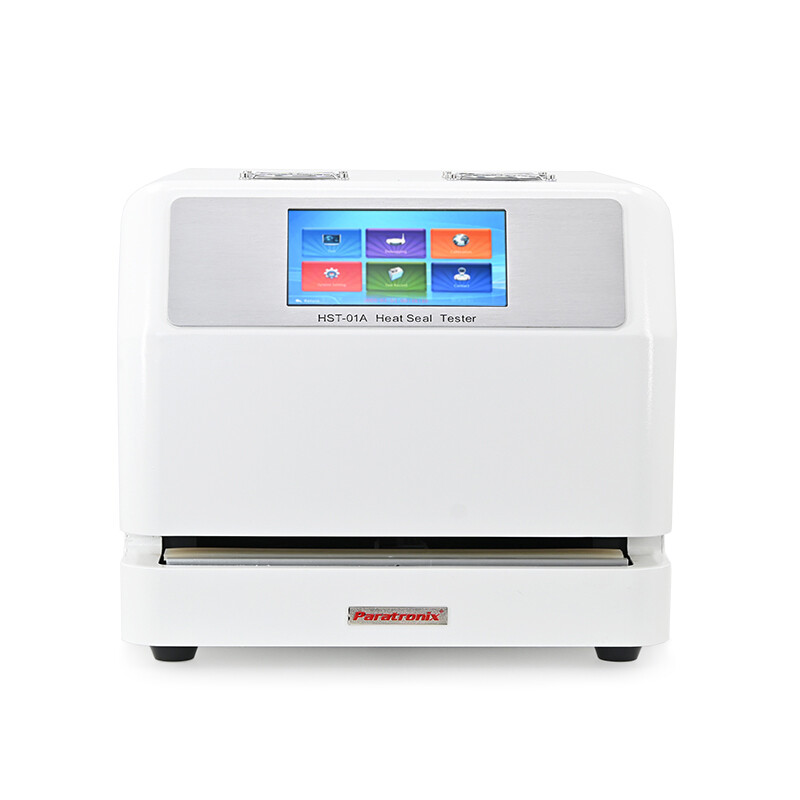
 HST-01A Heat Seal TesterHST-01A Heat Seal Tester (Laboratory Heat Sealer) is designed to determine the optimal heat seal parameters, including dwell time, sealing pressure, and sealing temperature, for plastic films, flexible composite films, plastic-coated paper, and other heat-sealable materials.
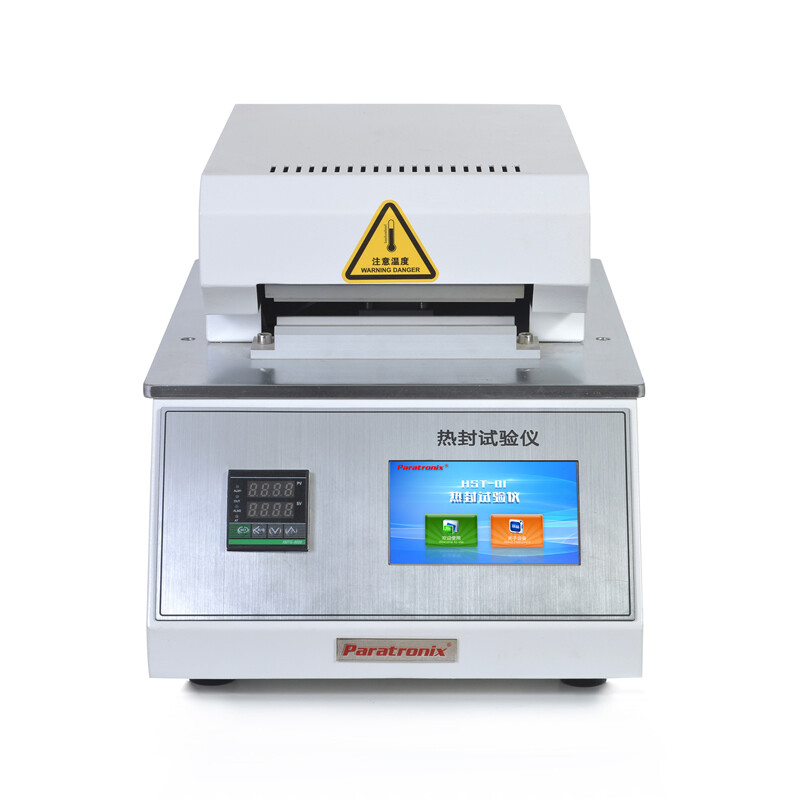
 HST-01B Heat Seal TesterHST-01B Heat Seal Tester (Laboratory Heat Sealer) is designed to determine the optimal heat seal parameters, including dwell time, sealing pressure, and sealing temperature, for plastic films, flexible composite films, plastic-coated paper, and other heat-sealable materials.
Search by Keywords