




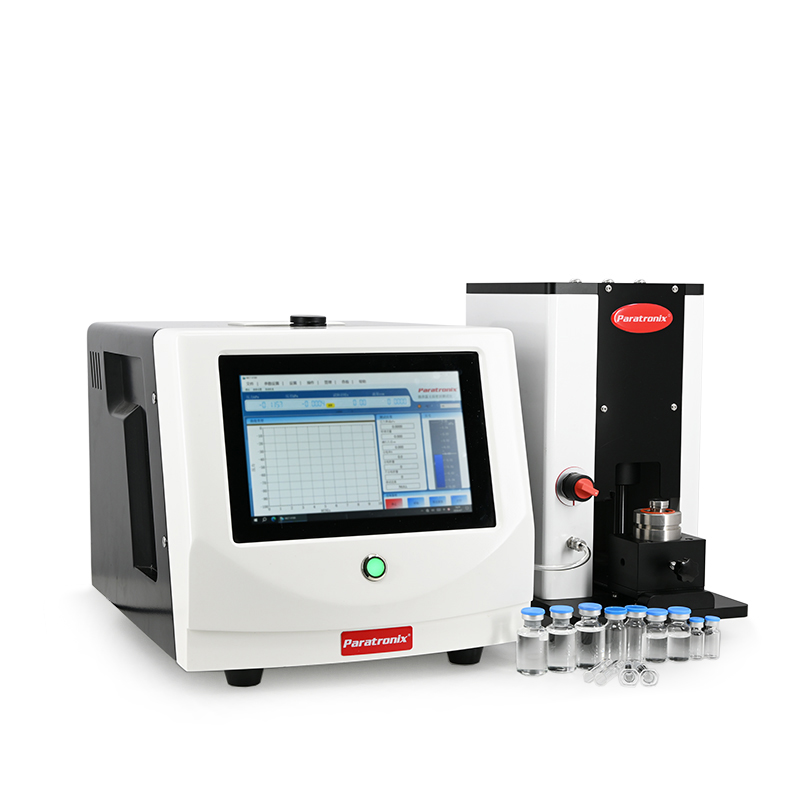
What Is A Leakage Tester?
A Leakage Tester is an instrument or test system used to identify unwanted passage of gas or liquid through a product, package, seal, or assembly. Depending on the method, it may indicate whether a leak is present, estimate a leak rate, or locate a leak. It differs from a seal strength tester, which measures the force required to separate a seal. Both properties can matter: a strong seal is not necessarily leak-tight, and an intact seal is not necessarily strong enough for distribution.
The test object defines the challenge. A rigid valve, a flexible pouch, and a sealed medical device package respond differently to pressure and handling. Some tests examine the entire item, while others target a particular joint or closure. Results depend on the test medium, pressure difference, duration, temperature, fixture design, and acceptance threshold. A useful specification therefore describes the complete test setup, not just the instrument model or a claimed detection limit.
Leakage testing supports product development, process validation, incoming inspection, and production quality control. Buyers include packaging engineers, medical device manufacturers, food producers, component suppliers, and independent laboratories. The objective may be to protect sterile contents, limit product loss, check assembly workmanship, or investigate a recurring defect. A test result should be interpreted against a documented product requirement and a method that has been shown to detect relevant defects under actual operating conditions.
How Leakage Testing Works
Most methods create or exploit a difference in pressure or concentration across the test boundary. In a pressure decay test, the item is pressurized, allowed to stabilize, and monitored for a pressure decrease. Vacuum decay reverses the pressure relationship: a sealed chamber is evacuated and pressure changes are monitored for evidence of leakage from the enclosed package. These are indirect measurements, so chamber volume, temperature drift, material behavior, and instrument resolution all influence the result.
Bubble emission testing immerses a pressurized item or applies vacuum around an immersed package and looks for escaping bubbles. It can help locate a leak, but observation and test conditions affect sensitivity and repeatability. Tracer gas methods use a detectable gas and a suitable sensor to identify or quantify leakage. They can be useful for demanding applications, although gas supply, preparation, and handling add complexity. No single method detects every defect equally well.
Before accepting a result, distinguish the instrument reading from the product requirement. A pressure change is not automatically a calibrated leak rate, and a leak rate measured with one gas cannot be transferred directly to another test condition without appropriate analysis. Establish stabilization and measurement times, control fixture seals, and challenge the method with representative known defects or calibrated leak standards where appropriate. Document uncertainty, repeatability, and the basis for the pass or fail limit.
Main Types And Their Trade-Offs
Pressure decay systems are commonly considered for components and assemblies that can be safely pressurized and sealed to a fixture. They can provide automated pass or fail decisions, but large internal volumes, elastic parts, or changing temperatures may require longer stabilization and more careful validation. Differential pressure systems compare the test item with a reference volume to help reduce some common influences. The benefit depends on matching the reference and maintaining stable test conditions.
Vacuum decay systems are often considered for sealed packages because the product can remain intact after testing, provided the procedure does not damage it. Suitability depends on package geometry, headspace, material permeability, and chamber design. A non-destructive label describes what happens to the sample under a defined procedure; it does not mean that every package can tolerate every vacuum level. Challenge testing should include realistic defects and representative package variations.
Bubble, dye penetration, and tracer gas methods serve different diagnostic needs. Bubble and dye tests can reveal the location or path of certain defects, but may require wetting, opening, or otherwise compromising the sample. Tracer gas can offer sensitive measurement when the product and test setup support it. Compare methods using validated detection capability, sample disposition, operator dependence, cycle time, and total cost, rather than treating sensitivity figures from different methods as directly interchangeable.
Applications And Relevant Standards
For terminally sterilized medical devices, package integrity is part of a broader sterile barrier system. ISO 11607-1 addresses requirements for materials, sterile barrier systems, and packaging systems, while ISO 11607-2 addresses validation requirements for forming, sealing, and assembly processes. The appropriate test method and acceptance criteria must be justified for the package and its intended use. A Leakage Tester alone does not establish compliance with the complete ISO 11607 series.
ASTM F2096 describes detection of gross leaks in packaging by internal pressurization and bubble emission. ASTM F2338 describes nondestructive detection of leaks in packages by vacuum decay. ASTM F1929 addresses dye penetration for seal leaks in porous medical packaging under its specified conditions. Each standard has a defined scope and limitations; buyers should consult the applicable edition and confirm suitability for their materials, package format, and regulatory obligations before choosing a method.
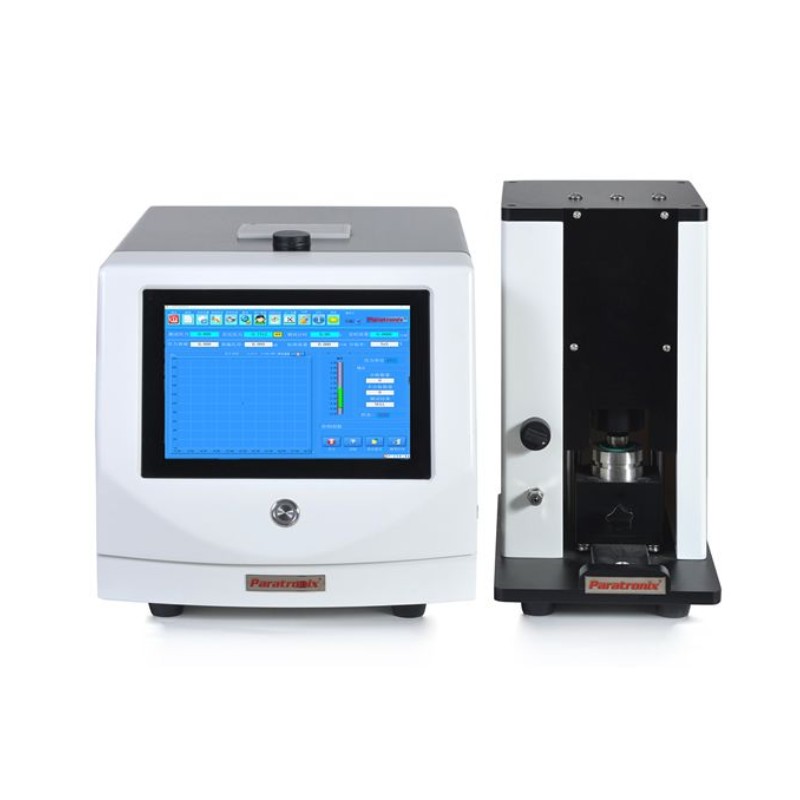
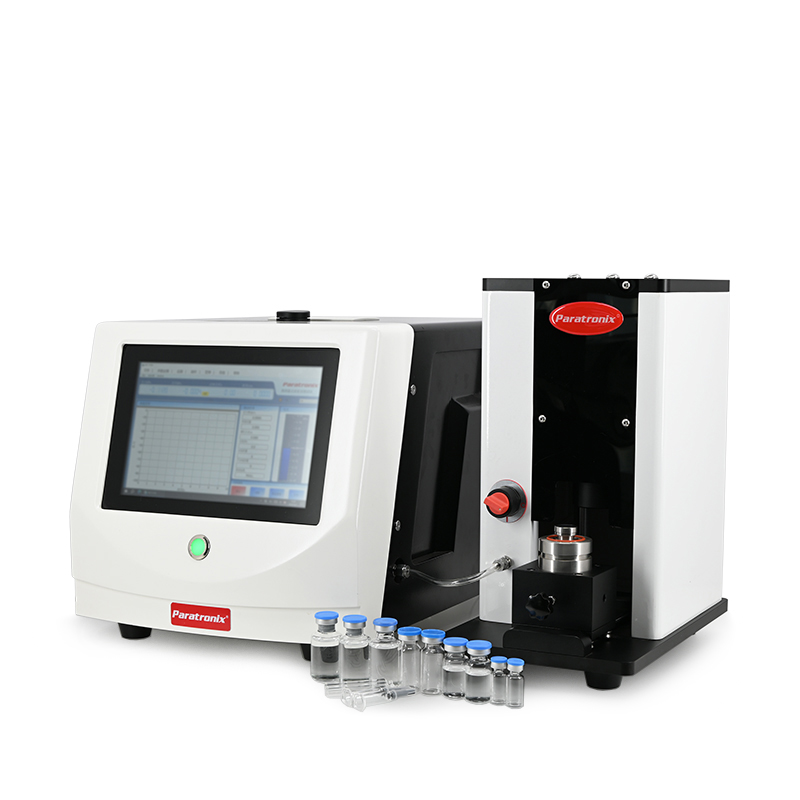
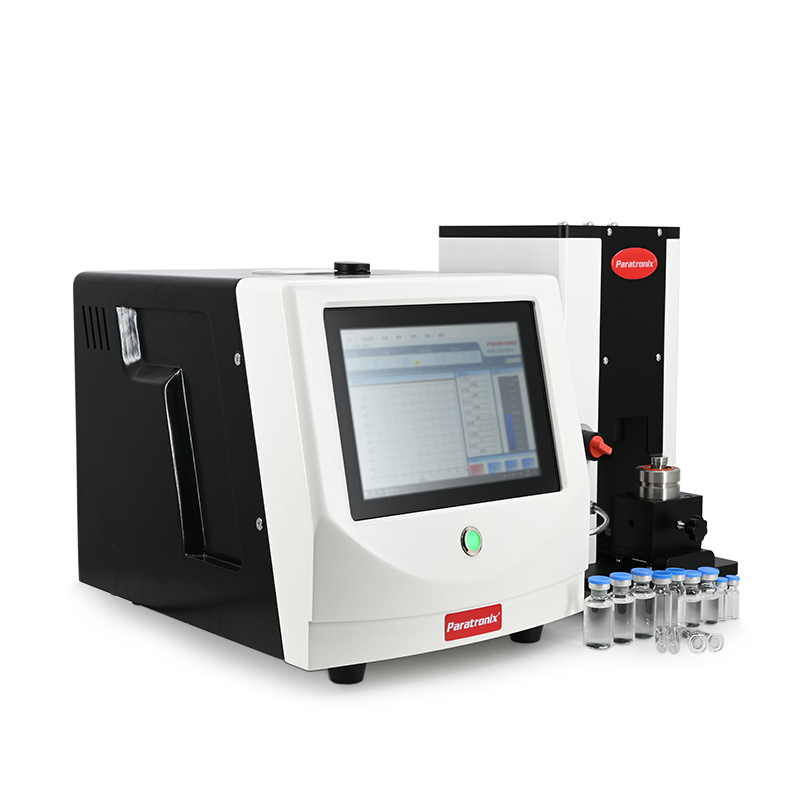
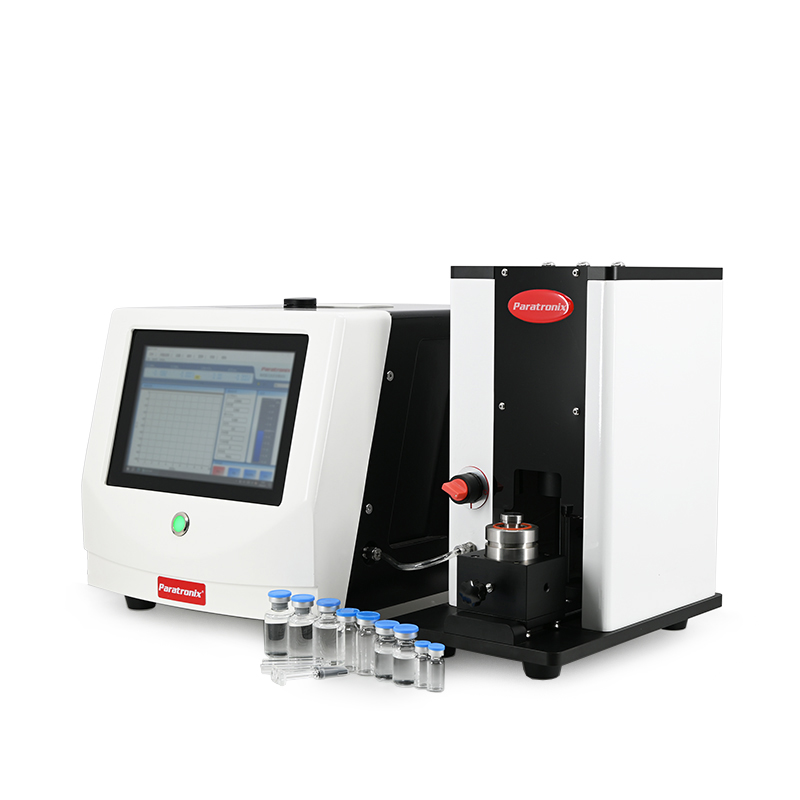
Food packaging teams may use leak testing to investigate seal contamination or closure defects, while industrial manufacturers may test housings, fittings, and fluid paths. For buyers assessing non-destructive package testing, paratronix lists the MLT-V100 Non-destructive Micro-Leakage Tester among its products. Its wider offering includes leak and seal strength testers and medical packaging physical performance testers. Request method details, compatible sample formats, and application-specific validation evidence before deciding whether the MLT-V100 fits a particular use.
How To Select And Validate A Tester
Start with the product failure that must be prevented and the smallest relevant defect or leakage level that the test must reliably detect. Specify product dimensions, materials, internal volume or headspace, seal geometry, and acceptable sample damage. Include the expected production rate and whether the test is for laboratory sampling or an in-line station. This information lets suppliers propose a method and fixture that match the application rather than offering an instrument based only on a headline sensitivity.
Ask for a trial using representative conforming samples and samples with characterized defects that reflect credible failure modes. Check detection across expected variations in package size, headspace, temperature, and operator handling. Record false accepts and false rejects within the scope of the trial, and establish whether the sample quantity is adequate for the intended validation. Review fixture changeover, recipe controls, result storage, calibration access, and the way failed samples are identified and segregated.
Installation and routine control deserve the same attention as initial capability. Confirm utility requirements, environmental limits, fixture maintenance, operator training, and availability of calibration or service support. Establish a documented schedule based on manufacturer instructions, use, and quality-system requirements; there is no universal interval for every instrument. Periodic checks with suitable reference leaks or defect samples can reveal drift, damaged seals, or setup errors before they undermine production decisions.
Ownership Costs And Future Trends
The purchase price is only one part of total ownership cost. Include fixtures for each product format, installation, validation samples, calibration, maintenance, spare seals, operator time, data management, and any gases or consumables. Destructive methods can also incur the cost of discarded products and disposal. For automated lines, account for integration and downtime during changeovers. A higher-priced system may be economical if it reduces recurring sample loss or labor, but only when those savings are demonstrated for the intended workload.
Estimate return on investment by comparing a baseline process with the proposed method over a defined period. Use expected test volume, labor minutes per test, sample value, service costs, and the cost of avoidable retesting. Treat reductions in complaints or recalls cautiously unless supported by credible internal data. Include validation and transition costs, and run a sensitivity analysis for throughput and false reject assumptions. The result is a purchasing estimate, not a guarantee of future savings.
Leak testing is moving toward more automated handling, electronic records, connected production equipment, and greater use of non-destructive methods where technically appropriate. These developments increase the importance of access controls, traceable test recipes, data integrity, and change management. New packaging materials and smaller defect targets may also require method reassessment. When requesting a quotation from paratronix, provide representative samples, target throughput, relevant standards, and the required documentation so the proposed Leakage Tester can be evaluated against a clear specification.
Search by Keywords