




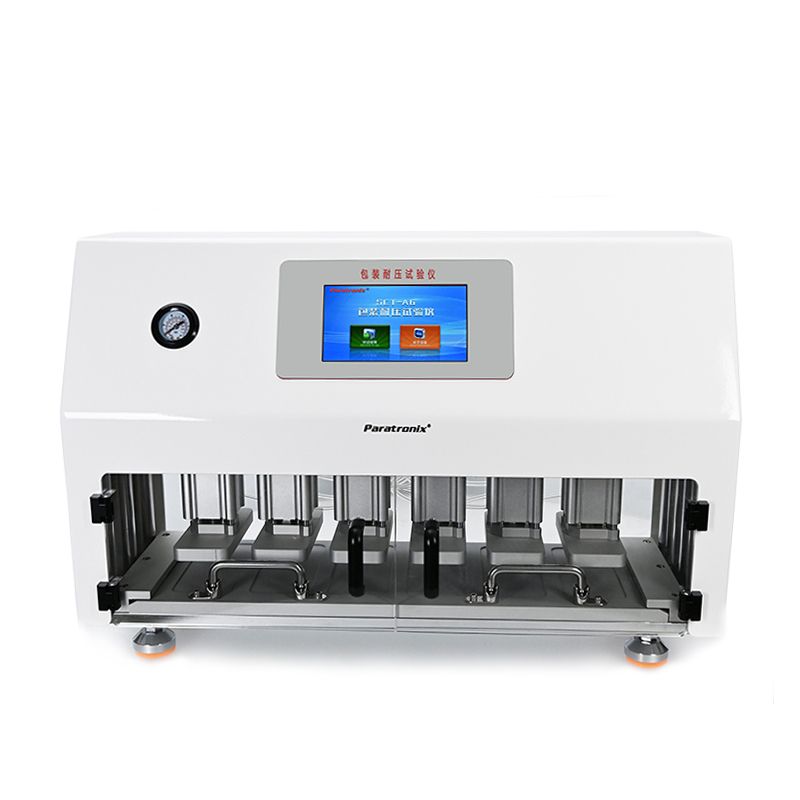
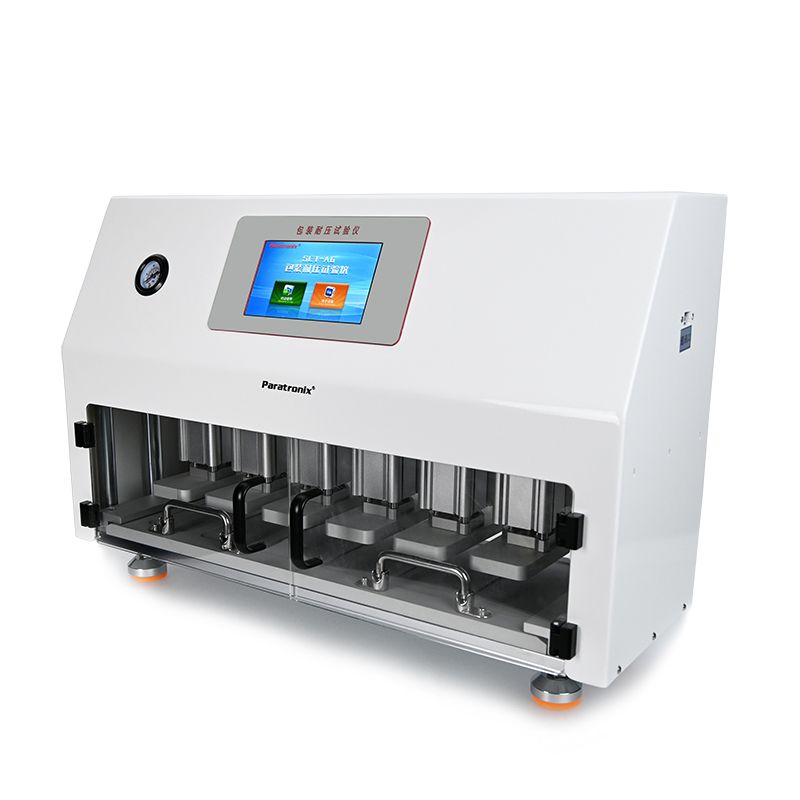
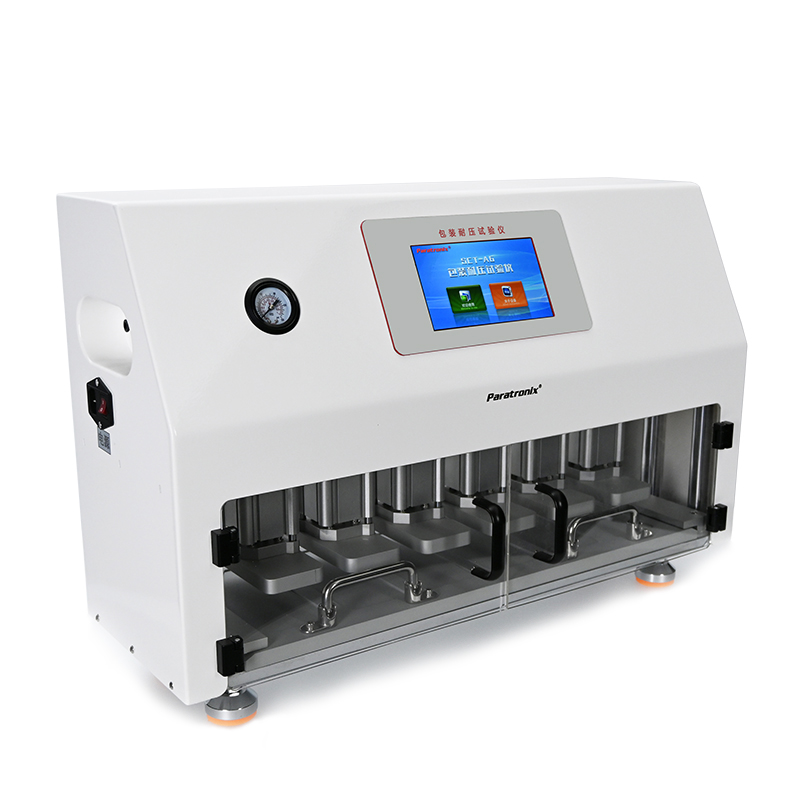
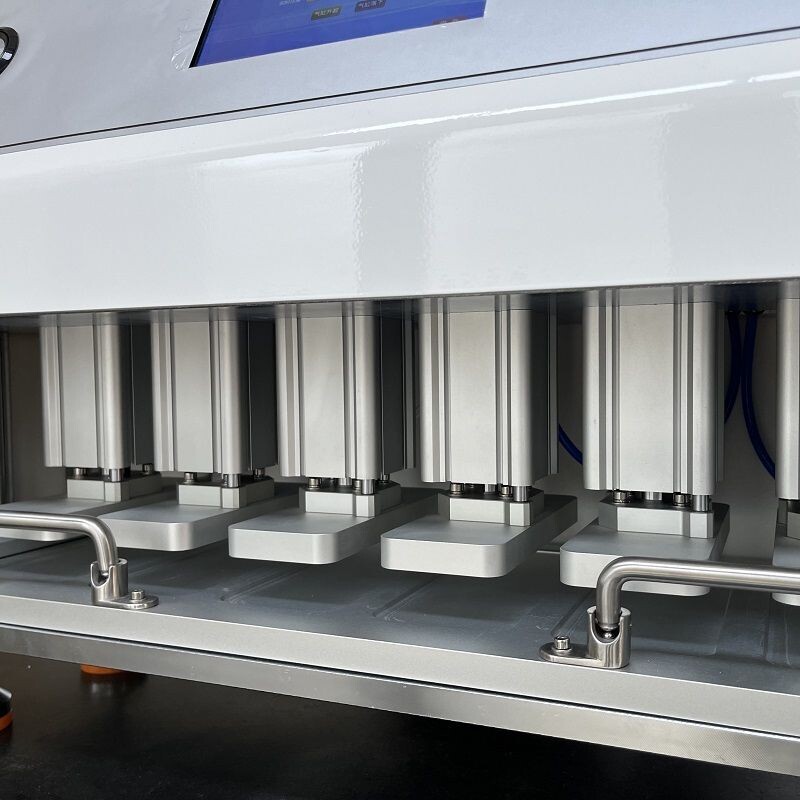
What Is A Sauce Packet Pressure Resistance Tester?
A Sauce Packet Pressure Resistance Tester evaluates how a filled sachet responds to an applied load. In a typical compression test, the packet is placed between platens and loaded until it reaches a specified force, deformation or failure point. Depending on the instrument and method, the result may include peak force, displacement and a record of leakage or seal rupture. The test helps packaging teams compare structures and detect changes that could affect handling performance.
Compression is only one way to challenge a packet. Internal pressure methods introduce air into a package and measure its response during a burst or sustained-pressure test. A leak test addresses a related but different question: whether the package has an opening through which its contents or a test medium can escape. These methods are complementary because a packet can resist a specified load yet still contain a small leak.
Food manufacturers, flexible packaging converters, contract packers and independent laboratories use these tests during development and quality control. Typical samples include ketchup, mayonnaise, chili sauce and dressing sachets, as well as other filled flexible packets. Results depend on the product, fill volume, headspace, film structure and seal geometry. A meaningful specification therefore identifies the sample and test conditions rather than relying on a single force value.
How Compression, Burst And Creep Tests Work
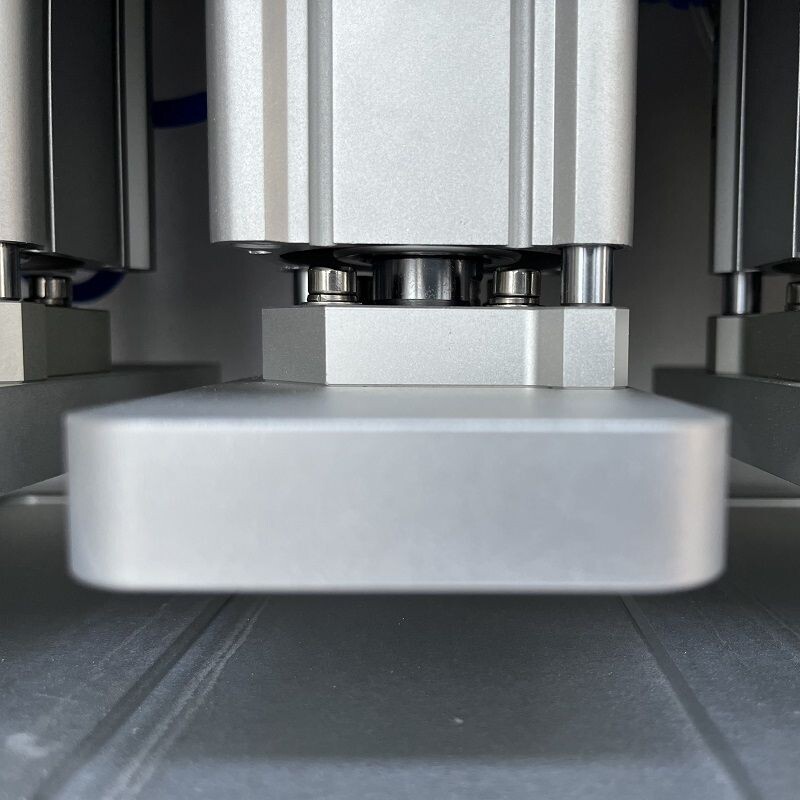
In a compression test, the machine moves one platen toward another at a defined speed. As the packet is squeezed, the sauce redistributes and pressure builds within the flexible package. Operators may record the force at first leakage, seal opening or another defined endpoint. Platen dimensions, alignment, packet orientation and loading rate influence the result, so a written method should keep these variables consistent across samples and production lots.
A burst test increases internal pressure until the package fails, producing a failure pressure and often a visible failure location. A creep test holds a package at a specified pressure for a defined time and observes whether it survives. ASTM F1140/F1140M covers internal pressurization failure resistance of unrestrained packages. ASTM F2054/F2054M addresses burst testing of flexible package seals using internal air pressurization within restraining plates. The choice depends on the package and the question being investigated.
For leak detection, ASTM F2096 describes a bubble test for gross leaks using internal pressurization and immersion in water. It is distinct from compression and does not establish resistance to every handling load. Before adopting any standard, consult the applicable edition, scope and procedure; prepare samples as required and confirm whether the method suits the filled product. Tests that puncture or destroy packages generally require separate samples for subsequent examinations.
Test Planning And Quality Control In Practice
Start with a clear purpose: compare film structures, qualify a sealing setting, investigate customer complaints or monitor routine production. Define the packet format, fill range, conditioning time and temperature, sample quantity and acceptance criteria before testing. Select samples from relevant production periods and record lot identifiers. For comparison studies, use the same preparation and test settings for each group, and retain enough observations to understand variation rather than relying on one result.
For a compression procedure, inspect each packet, place it in the specified orientation, select the loading speed and endpoint, then start the test. Record force and displacement where available, along with failure mode and location. Distinguish a seal opening from film rupture, leakage at a corner or fixture-related damage. Clean product residue between tests and inspect contact surfaces so that contamination does not change friction or conceal a defect.
Set acceptance limits from product requirements, development evidence and agreed customer specifications. A force threshold alone may be insufficient if visible leakage is unacceptable before that threshold. Investigate unexpected changes alongside sealing temperature, pressure, dwell time, film lots and filling conditions. Document deviations, operator actions and instrument status. Repeat testing when the procedure calls for it, but do not discard failed results without a documented, technically justified reason.
Applications, Standards And Equipment Options
A Sauce Packet Pressure Resistance Tester can support incoming material evaluation, production setup, seal parameter studies and investigation of damaged packets. Compression testing is especially relevant when the concern is squeezing during packing, stacking or handling. Internal pressure tests can help compare package or seal behavior under pressurization, while leak tests address detectable openings. Simulated laboratory conditions should be linked to the actual distribution environment instead of being treated as a direct guarantee of field performance.
Available equipment categories include platen compression instruments, internal pressure burst and creep systems, and destructive or non-destructive leak testers. Some laboratories combine methods because each reveals different failure mechanisms. Standards may be specified by a customer or selected as part of an internal validation plan; no single ASTM method automatically establishes market access for all food packages. Check current local requirements for food contact, packaging and labeling separately from mechanical test procedures.
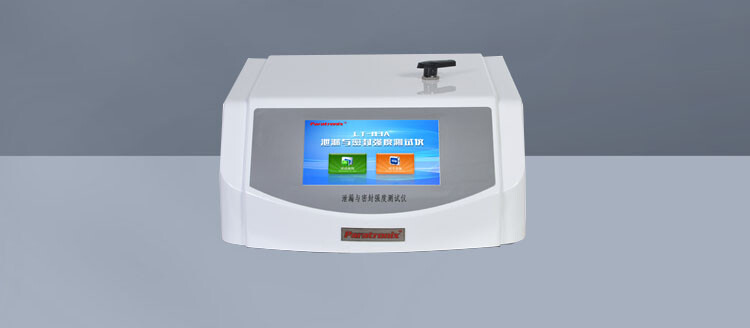
For buyers assessing compression equipment, paratronix lists the SCT-A6 Package Compressive Resistance Tester as a relevant product to discuss. Its broader testing equipment portfolio also includes leak testers, leak and seal strength testers, and non-destructive micro-leakage testers, allowing buyers to discuss complementary testing needs with one supplier. Confirm the SCT-A6 configuration, operating range, fixtures and applicable methods against actual samples before purchase; these details have not been established here.
How To Select And Qualify A Tester
Begin with the expected packet dimensions, filled thickness and force range, including samples that may fail unusually early or late. Ask for the instrument's usable measurement range, accuracy, resolution, speed settings and calibration arrangements, and verify that the platens accommodate the largest sample. For pressure testing, examine the pressure range, control stability, connections and suitability of any restraining fixture. Match capabilities to the test procedure, not merely to the highest advertised capacity.
Request a demonstration using representative filled packets and the intended failure criterion. Review whether the machine records the measurements needed for decisions, how it identifies an endpoint and whether operators can export usable results. Assess guarding, emergency controls, cleaning access and the handling of sauce released during a test. If several sites will use the method, compare procedures and results between sites before setting common limits.
Before acceptance, agree on installation requirements, training, documentation, service support and a calibration schedule appropriate to usage and quality procedures. Keep reference procedures and maintenance records accessible to operators. Recheck settings after fixture changes, repairs or relocation, and investigate unusual readings before releasing product decisions. A supplier quotation should specify included accessories and optional items so that the proposed system can be evaluated against the complete workflow.
Ownership Costs, Investment Decisions And Future Trends
The purchase price is only part of total ownership cost. Include fixtures, installation, operator training, calibration, preventive maintenance, spare parts, software support and the labor required to prepare, test and clean samples. Destructive testing also consumes packets and product. Consider throughput at the required test speed and documentation level, not just the machine's fastest setting. For multiple methods, budget for separate fixtures or instruments where necessary.
Estimate potential return by comparing these costs with measurable benefits relevant to the operation, such as less time spent investigating seal problems or fewer batches requiring retesting. Use the site's own historical costs and realistic adoption assumptions; a laboratory result alone cannot establish a reduction in customer complaints. A pilot using representative packets can reveal operator time, failure visibility and repeatability before the business commits to a wider rollout.
Flexible packaging teams are increasingly evaluating new material structures, digital result records and combinations of destructive and non-destructive inspection. Changes in film composition, seal design or filling process can alter test behavior, making periodic method review valuable. When discussing a Sauce Packet Pressure Resistance Tester with paratronix, share packet dimensions, product characteristics, target test method, expected throughput and acceptance requirements. Request a documented configuration and sample-based evaluation to support a practical purchasing decision.
Search by Keywords