




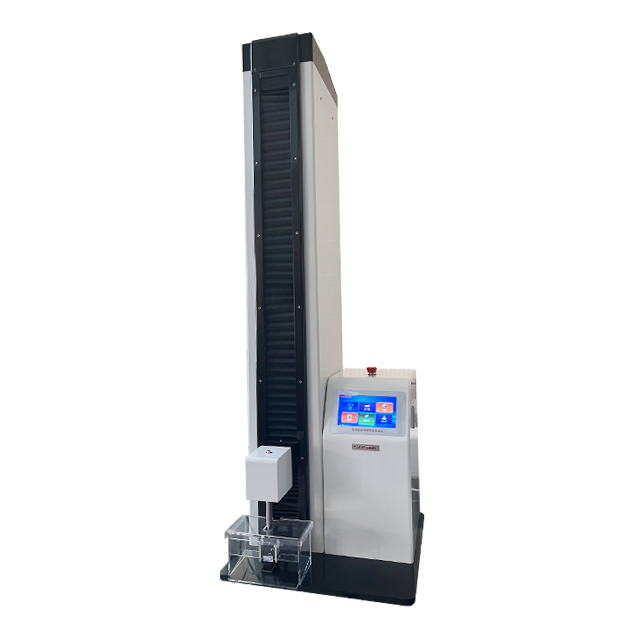

What An Ampoule Break Force Tester Measures
An ampoule break force tester is an instrument that measures the force required to fracture the neck of a glass ampoule under defined loading conditions. The reported value is generally the peak force recorded during the opening action, expressed in newtons. Controlled measurement helps manufacturers assess whether ampoules can be opened consistently without relying solely on subjective manual checks.
Breakability is a practical quality characteristic for pharmaceutical ampoules because users must open the container to access its contents. An excessively resistant neck may make opening difficult, while an unexpectedly low or inconsistent force may indicate a problem requiring investigation. Results should be interpreted alongside other relevant container, product and safety requirements, rather than as a complete assessment of package quality.
ISO 9187-1 addresses requirements and test methods for certain glass ampoules used for injectables, including aspects relevant to break force. Its scope, applicable ampoule types and acceptance criteria must be checked against the edition specified in the purchase agreement or quality system. Do not assume that a single force limit applies to every ampoule size or design.
Users include ampoule manufacturers, pharmaceutical filling operations, contract packagers and independent laboratories. Their objectives may differ: a glass supplier may monitor production consistency, while a pharmaceutical company may use incoming inspection and supplier qualification to manage container variability. Both need a documented method that allows results to be compared meaningfully over time.
How Break Force Testing Works
A typical test places the ampoule in a fixture that supports the body and positions the neck at a specified loading point. A moving element applies force until the ampoule breaks, while a force sensor and data system capture the load. Fixture geometry, support spacing, loading direction and test speed can influence the result, so the complete setup matters.
Before testing, identify the ampoule type and inspect the neck for relevant opening features, such as a score or one-point-cut marking. Position the specimen according to the applicable method and the instrument instructions. In particular, the orientation of an opening feature relative to the loading element must be consistent; an incorrectly oriented sample can produce misleading comparisons.
A test sequence normally includes specimen identification, fixture adjustment, loading, fracture, peak-force recording and safe removal of glass fragments. Record the ampoule size, lot, orientation, method and instrument settings with each result. Where the governing procedure requires a particular test speed, loading arrangement or specimen condition, use those requirements instead of an assumed machine default.
The peak value provides a useful numerical endpoint, but the force curve and fracture observation can also support troubleshooting when available. Unusual traces, slipped specimens or incomplete breaks should be reviewed under the laboratory's invalid-test procedure. Because the sample is destroyed, plan the quantity needed for routine testing, investigations and any retained specimens before starting.
Equipment Types And Selection Criteria
Dedicated ampoule testers are designed around the fixture and measurement needs of breakability testing. A multipurpose force tester may offer a broader range of physical tests through interchangeable fixtures, subject to its force capacity, control capability and software. The choice depends on workload, required methods and whether the laboratory also tests other packaging components.
Start selection with the ampoule sizes and opening designs in the purchasing specification. Ask the supplier to confirm fixture compatibility, support arrangement, specimen orientation and any change parts needed for each format. A demonstration using representative ampoules can reveal handling or positioning problems that are not apparent from a general equipment description.
Next, review the usable force range, measurement resolution, stated accuracy, test-speed control and data acquisition capability against the expected results and applicable method. Ask how the force sensor is verified and what calibration evidence is supplied. Evaluate the complete measuring system, including fixtures and software, rather than selecting solely by the maximum force shown in a brochure.
For regulated laboratories, also assess user access, result traceability, audit trail needs, data export and backup arrangements against internal requirements. Confirm what the instrument actually supports and whether additional software or validation services are needed. Guarding, fragment containment, cleaning access and operator ergonomics deserve equal attention because each test produces broken glass.
Standards Applications And Supplier Evaluation
ISO 9187-1 is a starting point for assessing relevant glass ampoule requirements, but market acceptance is not established by instrument capability alone. Buyers should identify the current or contractually specified standard edition, applicable pharmacopeial provisions, customer specifications and local regulatory expectations. Where documents differ, resolve the applicable requirements through the quality agreement and the organization's regulatory review.
Common use cases include incoming inspection of empty ampoules, monitoring changes in glass forming or neck scoring, and investigating complaints about difficult opening. Comparisons between suppliers or manufacturing sites require aligned sampling plans and test conditions. Differences in ampoule format, fixture design or operator positioning can otherwise be mistaken for genuine differences in product performance.
Paratronix offers the PMT-B Ampoule Breaking Force Tester as a relevant product to discuss when evaluating this application. The company also lists multipurpose testers and equipment for leak, seal strength and other packaging physical-performance tests, which may be useful to buyers planning a broader laboratory portfolio. Confirm PMT-B specifications, available fixtures, applicable methods and documentation directly before purchase.
A practical supplier inquiry should include sample dimensions, opening feature, target standard edition, expected throughput and required reporting format. Request a quotation covering the instrument, suitable fixtures, installation, calibration and support, with optional items identified separately. The supplied business-license identifier for paratronix is Unified Social Credit Code 91370105689842696E; it is not evidence of product certification or method conformity.
Quality Control Installation And Maintenance
Installation begins with a stable work surface, suitable power and sufficient space for safe specimen handling and fragment disposal. Follow the manufacturer's instructions for assembly, guarding and environmental conditions. Before routine use, verify fixture alignment, sensor identification and test settings, then document installation and operational checks in accordance with the laboratory's quality system.
A written procedure should define sampling, specimen preparation, orientation, test parameters, acceptance criteria and treatment of invalid results. Train operators using representative ampoules and compare their technique before allowing independent testing. Where results approach a specification limit, a repeat or investigation should follow the approved procedure rather than an informal decision to discard an inconvenient value.
Calibration and intermediate verification should be scheduled according to risk, instrument use, manufacturer guidance and quality-system requirements. Use traceable reference equipment appropriate to the measurement range, and document any out-of-tolerance finding and its potential effect on prior results. Inspect fixtures for wear, damage and residue, because changes in contact surfaces can affect positioning and repeatability.
Trend results by ampoule type, supplier and lot rather than comparing unrelated formats in one data set. A shift in the distribution, increased variability or a rise in invalid tests may justify investigation even when individual values remain within specification. Combine instrument data with production records and visual observations to distinguish equipment issues from changes in the ampoules.
Ownership Costs And Future Trends
The purchase price is only one part of the total cost of ownership. Include fixtures for each ampoule format, delivery, installation, training, calibration, preventive maintenance and replacement parts. Software licenses, data storage, validation work and service response may add costs depending on the laboratory's requirements. Request itemized prices and clarify which services are included during and after the warranty.
Operating costs also include technician time, sample consumption, glass disposal and downtime for cleaning or service. Estimate annual test volume and the time required to change fixtures, enter sample information and produce reports. A lower initial quotation may be less attractive if it requires frequent manual transcription or does not accommodate important ampoule formats.
To assess potential return on investment, compare the proposed workflow with the current method using measurable assumptions: tests per year, labor time per test, calibration expense and investigation workload. Include potential benefits from better traceability or fewer repeated tests only where the organization can support those estimates. Break force testing does not by itself guarantee fewer complaints or regulatory approval.
Future purchasing decisions are likely to place greater emphasis on connected data, traceable records and consistent testing across sites. These capabilities can support trend analysis, but integration and validation requirements should be agreed before procurement. Review standard editions, supplier support and fixture needs periodically, especially when new ampoule formats or revised customer specifications enter production.
Search by Keywords