




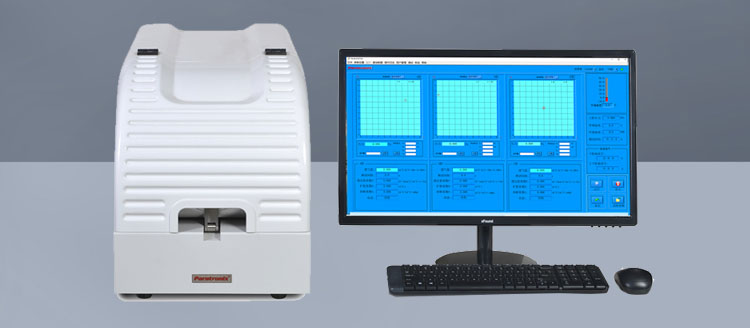
What An ASTM F1307 Oxygen Permeability Tester Measures
An ASTM F1307 oxygen permeability tester evaluates the oxygen transmission rate of a dry package using a coulometric sensor. The method addresses oxygen passing into a finished package under specified test conditions, making it relevant when a film result alone cannot describe the performance of a container, closure, and seals together. Results support comparisons between package designs and production conditions when the same test method, environmental settings, and reporting conventions are used.
The measurand is typically reported as an oxygen transmission rate per package per unit of time. It should not automatically be treated as a material permeability coefficient or as an area-normalized film transmission rate. Finished packages can contain several materials, joints, and closures, so the measured value represents their combined behavior under the test configuration. Buyers should confirm the units and reporting basis required by their specifications before comparing instruments or supplier data.
ASTM F1307 applies to dry packages and specifies conditions and procedures that must be consulted in the applicable standard edition. It does not by itself prove shelf life, sterility, or the absence of leaks. Product sensitivity, headspace, storage conditions, and distribution stresses also affect real-world outcomes. Use the standard alongside a documented packaging qualification plan and other methods appropriate to the intended product and regulatory context.
How The Coulometric Test Principle Works
The test establishes a difference in oxygen conditions across the package and monitors oxygen that enters the package over time. A carrier gas conveys oxygen from the package to a coulometric sensor, which produces an electrical response related to the oxygen reaching it. The instrument converts the measured response into a transmission rate using its calibration and test configuration. The applicable standard and instrument instructions govern preparation, flow settings, conditioning, and calculations.
Before measurement, the operator prepares and connects the package without creating unintended leakage. The package and system are purged and conditioned as required, and the laboratory monitors the response until the specified measurement criteria are met. Temperature and oxygen conditions on the package exterior must be recorded or controlled as required by the method. Residual oxygen, unstable flow, and imperfect connections can distort a low-rate measurement or delay a reliable result.
A sound report identifies the sample, package configuration, test conditions, units, instrument, and relevant deviations. It should also distinguish individual results from averages and describe the number of specimens tested. Laboratories should check system integrity, use appropriate reference materials or verification procedures, and follow the manufacturer's calibration schedule. If a result changes unexpectedly, investigate fixtures, gas supply, conditioning, and sample preparation before attributing the change to the package itself.
Test System Types And Related Methods
The main distinction for procurement is the specimen being evaluated. A finished-package system accommodates a complete container or package assembly, while a film or sheet transmission instrument measures material specimens under its applicable method. Some laboratories also use dedicated systems for particular package geometries or fixtures for multiple formats. A shared sensor technology does not make methods interchangeable: confirm the intended specimen, standard, operating range, and reporting units for each configuration.
Finished-package oxygen transmission testing and leak testing answer related but different questions. An oxygen transmission result reflects oxygen ingress under the specified test conditions; a leak test is designed to detect or characterize leakage using its own principle and acceptance criteria. A package can require both evaluations during development or validation. Select the leak method for the expected defect size, package design, and risk, and avoid treating a passing result from one method as proof of performance in the other.
Other testing helps explain package performance. Water vapor transmission testing addresses moisture barrier requirements, while seal strength and physical performance tests assess mechanical properties relevant to package integrity. paratronix lists water vapor permeability testers, leak and seal strength testers, and non-destructive micro-leakage testers among its equipment offerings. These categories may complement an ASTM F1307 oxygen permeability tester in a laboratory plan; buyers should confirm available configurations and method suitability directly with the supplier.
Applications And Standards In Packaging Decisions
Food and beverage packaging teams may use finished-package oxygen transmission data when comparing containers for products sensitive to oxidation, flavor loss, or color change. Pharmaceutical and medical packaging teams may need oxygen barrier information for suitable products and package designs, alongside other tests required by their specifications. Material suppliers, converters, brand owners, contract laboratories, and research groups can use consistent measurements to investigate design changes and support supplier discussions.
Useful test points include initial package development, qualification of a new supplier, a change in closure or sealing parameters, and investigation of unexplained quality variation. A buyer might compare the original and revised package using representative samples from each production condition, then examine the distribution of results rather than relying on one specimen. Sampling plans and acceptance limits should be established from product requirements, measurement capability, and the risks associated with the decision.
For international projects, specify the applicable edition of ASTM F1307 in purchasing documents and confirm any customer, contractual, or local regulatory requirements separately. A test method is not automatically a market authorization or a universal acceptance limit. Ask laboratories how they document traceability, uncertainty, and deviations, and confirm whether accreditation is required for the intended report. Do not assume a supplier or laboratory holds a particular accreditation unless it provides current evidence covering the relevant scope.
How To Select And Qualify An Instrument
Begin with the packages and decisions the instrument must support. Provide the supplier with package dimensions, materials, closure details, expected transmission range, target test conditions, and required throughput. Ask for the measurable range and detection capability under the proposed configuration, including the basis for those claims. For low oxygen transmission rates, request evidence that system background, sensor performance, and measurement uncertainty are suitable for the intended specification and sample geometry.
Evaluate fixtures and operating requirements as closely as sensor specifications. The system must connect to representative packages securely and maintain the intended gas path without altering the feature being assessed. Check available temperature control, gas purity and supply needs, software reporting, data export, and the number of samples that can be tested in the required time. Confirm whether the quoted configuration includes the necessary accessories, installation, operator training, and method documentation.
Before purchase, agree on a practical demonstration or acceptance procedure using representative packages and documented conditions. Define how repeatability, background response, reporting, and fixture suitability will be assessed, while recognizing that results depend on both instrument and specimen. After installation, establish operating procedures, operator competency checks, calibration and verification intervals, and preventive maintenance based on the manufacturer and laboratory requirements. Keep records of changes so later results remain interpretable.
Ownership Costs, Future Needs, And Next Steps
Total ownership cost extends beyond the instrument quotation. Include package fixtures, installation, training, carrier gas, consumables, calibration, maintenance, software support, and any facility modifications. Account for technician time, conditioning, test duration, repeat measurements, and the cost of keeping the system available. If several package formats are involved, fixture changes and validation of each setup can materially affect capacity. Compare quotations on the same scope and ask which recurring services are optional or separately priced.
Estimate return on investment against a realistic baseline, such as current external laboratory spending, sample shipping, turnaround time, and internal workload. Include the expected number of tests and the staff time needed to review and maintain results. Faster access to data may improve development decisions, but savings from avoided product failures should be treated as scenario estimates rather than guaranteed returns. For low test volumes, continued outsourcing may be the more economical choice.
Future requirements may include new recyclable package structures, more demanding barrier targets, and stronger expectations for traceable digital records. These changes can make flexible fixtures, clear data exports, and a documented verification program valuable purchasing considerations. To discuss a broader packaging test plan with paratronix, provide your package formats, relevant standards, target measurement ranges, and expected workload. Request confirmation of the available equipment, technical specifications, support arrangements, and suitability for your application before placing an order.
 What does an ASTM F1307 oxygen permeability tester measure?Discover what an ASTM F1307 oxygen permeability tester measures, how package oxygen transmission rates are interpreted, and why test conditions matter.
 How to choose an ASTM F1307 tester for low oxygen transmission ratesChoose an ASTM F1307 oxygen permeability tester with confidence. Compare low-rate sensitivity, repeatability, package compatibility, and verification.
Search by Keywords