




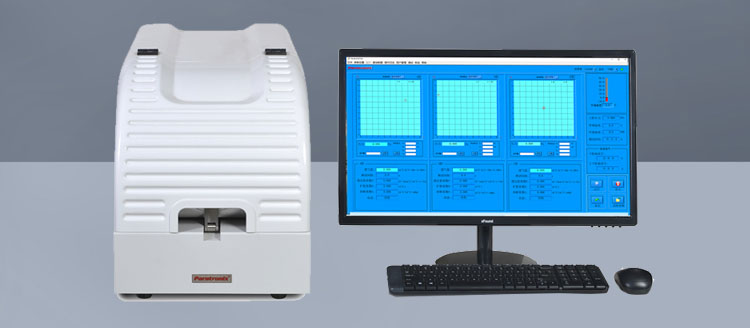
What An ASTM F1927 Oxygen Permeability Tester Measures
An ASTM F1927 oxygen permeability tester measures the rate at which oxygen passes through a plastic film or sheet under specified conditions. ASTM F1927 describes a method using a coulometric sensor for oxygen gas transmission through plastic film and sheeting. The result helps manufacturers compare barrier materials, assess production consistency, and investigate packaging performance. Buyers should consult the applicable edition of the standard for its scope, conditions, apparatus requirements, and reporting details before specifying an instrument or test program.
Oxygen transmission rate, commonly abbreviated OTR, expresses the amount of oxygen crossing a defined area over a defined time under stated test conditions. Laboratories often report it in units such as cm³/(m²·day), with temperature, humidity, and oxygen conditions recorded alongside the result. A lower OTR generally indicates a stronger oxygen barrier under those conditions. Results cannot be interpreted responsibly without the test environment because polymer barrier performance can change substantially with temperature and humidity.
Permeability is related to transmission rate but is not always interchangeable with it. For a suitable homogeneous material, a permeability coefficient can be calculated using specimen thickness and the oxygen partial-pressure difference. Multilayer structures, coatings, and materials affected by moisture require particular care when interpreting thickness-normalized values. For packaging decisions, the measured OTR of the actual structure is often more directly useful than a calculated coefficient for an individual material layer.
How The Coulometric Test Method Works
The specimen is sealed between two chambers. An oxygen-containing test gas contacts one side, while a carrier gas sweeps the other side and transports permeated oxygen to a coulometric sensor. The sensor produces an electrical response related to the oxygen reaching it. After the system approaches the required measurement condition, the instrument uses the sensor signal and test parameters to calculate transmission through the exposed specimen area. The exact operating sequence depends on the instrument and the standard edition.
Reliable measurements depend on more than sensor sensitivity. Leaks around a specimen can create an apparent oxygen flow unrelated to transmission through the material. Contamination, damaged seals, unstable gas supplies, and insufficient conditioning can also affect results. Operators should inspect the test cell, follow the instrument manufacturer's leak-check procedure, and use clean specimens free of visible defects unless defects are the intended subject of the investigation. Record any deviations from the prescribed method.
Calibration and verification should follow the applicable standard and the instrument manufacturer's instructions. Ask how the sensor is calibrated, which reference materials or gases are used, how traceability is established, and how frequently performance is checked. A suitable reference material can help confirm that the complete system produces a result consistent with its stated reference value under matching conditions. Keep calibration records, verification results, service history, and environmental observations with the laboratory's quality documentation.
Tester Configurations And Selection Criteria
An ASTM F1927 oxygen permeability tester may be configured with one test cell or multiple cells, depending on the instrument. A single-cell system can suit development work or moderate sample volumes, while multiple cells can support greater throughput. Confirm whether cells operate independently, which conditions can be controlled separately, and whether testing several specimens affects the stated measurement range. Compare throughput using realistic conditioning and stabilization times, rather than relying solely on the number of chambers.
Start selection with the expected OTR range of the materials to be tested. Request the manufacturer's specified measurement range, detection capability, repeatability, test area, supported specimen dimensions, and environmental control range. Check that the specifications apply to the intended test conditions and sample structure. Very high-barrier films may require longer stabilization and careful management of background oxygen, while more permeable specimens can demand a different suitable measurement range.
Also examine humidity control, temperature stability, gas consumption, software functions, and the availability of replacement seals and sensors. If the laboratory needs electronic records, ask about data export, user access, audit features, and compatibility with existing systems. Request a demonstration using representative samples and agree in advance on the test conditions and acceptance criteria. Before purchase, confirm the instrument's suitability for the relevant edition of ASTM F1927 and obtain the supporting documentation.
Applications And Related Packaging Tests
Film producers and converters use oxygen transmission data to compare resin formulations, coatings, laminates, and processing changes. Packaging developers use it when selecting structures for oxygen-sensitive foods and other products where exposure can affect quality. Medical packaging teams may also evaluate barrier materials as part of a broader packaging assessment. The appropriate target depends on product sensitivity, package design, distribution conditions, and shelf-life requirements; a material OTR alone does not establish finished-package performance.
Incoming inspection, supplier qualification, process troubleshooting, and product development call for different sampling plans. For example, comparing production lots requires consistent specimen preparation and test conditions, while investigating a suspected coating problem may require samples from several positions across a roll. Report specimen identification, thickness where relevant, conditioning, test conditions, results, and any deviations. Agree on sampling locations and acceptance limits with the customer or supplier before using results for a commercial decision.
Oxygen barrier testing is one part of a wider packaging quality program. paratronix lists water vapor permeability testers, leak testers, leak and seal strength testers, and non-destructive micro-leakage testers among its equipment offerings. These categories address different questions: moisture transmission, package leakage, and seal integrity cannot be inferred from a film's oxygen transmission result. Buyers can discuss the required combination of tests with paratronix and confirm the availability and specifications of any oxygen testing equipment separately.
Specimen Preparation And Laboratory Quality Control
Begin by identifying the material, production lot, orientation, and surface that will face the oxygen-containing gas. Cut specimens to fit the test cell without stretching, creasing, or contaminating the exposed area. Measure thickness using an appropriate method when it is required for interpretation or reporting. Condition specimens as specified by the applicable procedure, and document temperature and humidity. For multilayer or coated materials, consistent orientation and handling make comparisons between lots more meaningful.
Install the specimen using the prescribed sealing materials and clamping procedure, then check system integrity before collecting data. Set the required gas flows and environmental conditions, and allow the instrument and specimen to stabilize according to the method and manufacturer's guidance. Do not treat a rapidly changing reading as a final result merely to shorten the test. Record replicate results when the sampling plan calls for them, and investigate unexpected variation before releasing a report.
A practical quality program assigns responsibility for routine leak checks, reference measurements, calibration, seal replacement, and preventive maintenance. Intervals should reflect the manufacturer's recommendations, laboratory quality system, frequency of use, and observed performance. Review trends in reference results and background readings to identify drift or contamination early. When comparing data from different laboratories, align the method edition, test conditions, specimen preparation, and reporting units before attributing differences to the material itself.
Total Cost Of Ownership And Purchasing Decisions
The purchase price is only one part of the cost of an ASTM F1927 oxygen permeability tester. Budget for installation, operator training, gas supplies, reference materials, calibration, preventive maintenance, replacement seals, and potential sensor service. Include any required environmental controls, software licenses, and facility preparation. Ask the supplier to identify recurring costs and recommended service intervals in writing, together with warranty terms, spare-parts availability, and the process for obtaining technical support.
Estimate annual workload by material type and expected test duration, including conditioning, setup, stabilization, and reporting. Compare the cost of in-house testing with external laboratory fees, shipping, turnaround time, and the value of faster development decisions. Additional test cells may improve capacity, but their return depends on actual utilization and whether the laboratory has sufficient staff and gas supply. Avoid projecting savings until the proposed system has been matched to representative samples.
A useful purchasing request states the materials, expected transmission range, required conditions, monthly sample volume, reporting needs, and destination market. Ask for a quotation that separates the base instrument, accessories, installation, training, and ongoing service. Request a sample report and clarification of the applicable standard edition. When contacting paratronix, provide this information and ask which available equipment and complementary packaging tests fit the project; confirm the final configuration and capabilities before ordering.
Future Trends And Standards Planning
Packaging teams are evaluating recyclable structures, thinner films, and alternative barrier coatings, creating a need to compare oxygen transmission across changing material designs. These changes can alter sensitivity to humidity, flexing, and processing. Laboratories should test representative materials under conditions relevant to their intended use and combine barrier measurements with other appropriate packaging evaluations. Trend data from controlled development trials can help identify trade-offs before a material change reaches production.
Laboratories may also seek better data handling, easier verification, and more efficient workflows as testing volumes grow. When evaluating software or automation, focus on whether the system preserves specimen identity, test conditions, raw observations where available, and the final report. Confirm how records can be reviewed and exported. Automation can reduce manual handling, but it does not replace sound sampling, specimen preparation, instrument maintenance, or review of unusual results.
Standards and customer requirements can change, so verify the current applicable edition and any contractually specified method before establishing a specification. ASTM F1927 addresses a particular test method; using it does not by itself establish regulatory approval or suitability for every market. For a procurement discussion, contact paratronix with the intended materials, required test conditions, and documentation needs. The business license information supplied for the company lists Unified Social Credit Code 91370105689842696E.
 How does an ASTM F1927 oxygen permeability tester work?Discover how an ASTM F1927 oxygen permeability tester measures film barrier performance and why humidity, temperature and test conditions matter.
 What does ASTM F1927 require for oxygen sensor calibration?ASTM F1927 oxygen permeability tester calibration: discover how references, humidity control, verification, and records support reliable results.
Search by Keywords