




Recent Posts
 How does an ASTM D3985 oxygen permeability tester work?Nov 09, 2026
 What does ASTM F1927 require for oxygen sensor calibration?Nov 09, 2026
 How does an ASTM F1927 oxygen permeability tester work?Nov 09, 2026
 Can an ISO 15105-2 oxygen tester measure coated films?Nov 07, 2026
 How to choose an ASTM F1307 tester for low oxygen transmission ratesNov 07, 2026
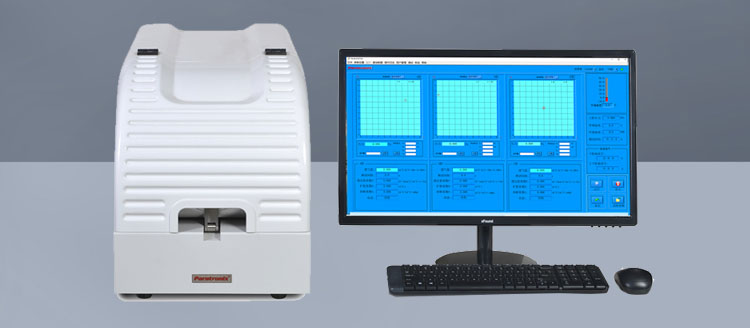
An ASTM F1927 oxygen permeability tester helps packaging professionals evaluate how effectively plastic films and sheets resist oxygen transmission. By measuring the oxygen that passes through a material under controlled conditions, the instrument produces data for comparing barrier performance and assessing packaging suitability. The result can help answer a practical question: will this material offer the level of oxygen protection a product needs?
The answer depends on more than the material’s name or thickness. Temperature, humidity, test duration and specimen preparation all influence what the instrument measures. Understanding the test principle makes it easier to interpret a result without asking it to say more than it actually can.
What does ASTM F1927 measure?
ASTM F1927 describes a method for determining oxygen gas transmission properties of plastic films and sheeting at controlled relative humidity using a coulometric detector. In a typical test, a flat specimen separates an oxygen-containing test gas from a carrier gas. Oxygen permeating through the specimen is carried to a detector, which measures the oxygen reaching the other side.
The principal result is usually the oxygen transmission rate (OTR): the quantity of oxygen passing through a specified area of material over a specified time under stated test conditions. OTR is often expressed in units such as cm3/(m2·day), with the gas volume referenced to stated conditions. Reports may use other units, so the unit and reporting basis deserve attention whenever results are compared.
A lower OTR generally indicates a better oxygen barrier under the conditions of that test. It does not, by itself, establish how long a packaged product will remain acceptable. Package design, seals, headspace, product sensitivity and storage conditions also matter.
Inside the test: from oxygen exposure to a numerical result
Although an instrument automates much of the measurement, the underlying process is straightforward. It creates a difference in oxygen concentration across a film, collects the oxygen that crosses the film and measures it with a coulometric sensor.
1. The specimen separates two sides of a test cell
A representative piece of film or sheet is placed in a test cell and sealed around a defined test area. One side is exposed to an oxygen-containing gas; the other is swept by a carrier gas with a low oxygen content. The seal is important: the instrument should measure oxygen transmitted through the exposed material, not gas escaping around its edges.
For a multilayer material, the direction of exposure may also be relevant. Recording which surface faces the oxygen side helps make repeat tests and comparisons more meaningful, particularly when the two surfaces differ in composition or treatment.
2. Oxygen permeates through the material
Oxygen does not have to pass through a visible hole to cross a film. In a sound polymeric material, gas molecules can dissolve into the material, move through it and emerge on the opposite surface. The rate depends on the material’s structure and on the conditions across the specimen.
This is why two films that look similar may give very different OTR results. Their polymer chemistry, coatings, layer construction or processing history may alter the path oxygen takes. Defects can affect the result too, but permeability through the material and leakage through a defect are not the same phenomenon.
3. A carrier gas transports transmitted oxygen to the sensor
On the low-oxygen side of the cell, carrier gas sweeps away the oxygen that has passed through the specimen and delivers it to the coulometric detector. Controlled flow and a suitably low background oxygen level help the instrument distinguish the specimen’s contribution from unwanted oxygen in the system.
The detector produces an electrical response related to the amount of oxygen reaching it. The instrument uses that response, together with the exposed area and test conditions, to calculate the transmission rate. Calibration and system checks are important because a numerical display is only useful when the measurement system is working as intended.
4. The instrument follows the signal until a reportable condition is reached
After a specimen is mounted, the signal may change as the cell is purged and the material responds to its new environment. Many materials require time before transmission approaches a stable rate. High-barrier or thicker structures may take longer than more permeable films.
A result taken too early may reflect this transition rather than the material’s established transmission behavior. Test duration therefore needs to be sufficient for the selected method and material, not simply convenient for the laboratory schedule.
Why controlled humidity matters
Humidity is not a minor footnote in oxygen barrier testing. Some packaging materials are sensitive to moisture, and their oxygen transmission behavior can change as they absorb or lose water. A barrier that performs well in a relatively dry test may behave differently in a humid environment.
ASTM F1927 addresses testing at controlled relative humidity, making it useful when humidity is important to the comparison. The relevant conditions include the humidity applied on each side of the specimen, as applicable to the test setup. Those conditions should be recorded with the result rather than reduced to a vague description such as “room conditions.”
Temperature matters for a similar reason. It affects gas movement through polymers and can also affect the material itself. When two OTR values differ, check the temperature and relative humidity before concluding that one material has a better barrier. A fair comparison starts with comparable conditions.
OTR, permeance and permeability: related, but not interchangeable
These terms often appear together in discussions of an ASTM F1927 oxygen permeability tester. They describe related properties, but they are not simply different names for the same number.
- Oxygen transmission rate: The measured oxygen transfer through a defined specimen area over time under stated test conditions.
- Oxygen permeance: A transmission measure expressed relative to the oxygen partial-pressure difference across the specimen.
- Oxygen permeability: A thickness-normalized property derived under appropriate assumptions, generally most meaningful for homogeneous materials tested under defined conditions.
Thickness normalization deserves particular care. A multilayer packaging film may contain a thin functional barrier layer between other layers. Multiplying its measured transmission behavior by the total thickness does not turn the construction into a homogeneous material or reveal the permeability of the individual layers.
For purchasing, development or quality-control discussions, ask which property is reported, which units are used and whether the specimens have comparable constructions. If the goal is to compare finished film structures, OTR under matched conditions is often a more direct starting point than an assumed material permeability.
What can influence the result?
Some differences in OTR reflect real differences between materials. Others arise from the way specimens are selected, prepared or tested. A useful investigation considers both possibilities.
- Specimen condition: Wrinkles, scratches, pinholes, contamination and handling damage can change the measured behavior. The specimen should represent the material being evaluated.
- Sampling location: Film from different positions on a roll or sheet may vary. A single small specimen cannot always describe an entire production batch.
- Thickness and construction: Record thickness where relevant, along with the film structure and any coatings or treatments known to affect barrier performance.
- Mounting and sealing: An imperfect seal can introduce leakage that appears as transmission through the specimen. Very high-barrier materials are particularly sensitive to unwanted background contributions.
- Gas conditions: Oxygen concentration, pressure conditions, carrier-gas quality and flow settings need to be appropriate for the method and instrument.
- Conditioning and test time: A material may need time to reach the required temperature and humidity, and the measured signal may need additional time to stabilize.
- Instrument performance: Calibration, maintenance and checks for leaks or background oxygen help establish confidence in the reading.
If a result looks unexpectedly high, it is tempting to reject the material immediately. A better first step is to review the specimen and setup: was the correct side exposed, was the seal sound, and did the signal reach the required condition? Repeating a test can be informative, but only if the potential source of variation is investigated rather than reproduced.
How should an OTR report be read?
The number is the beginning of the story, not the whole report. Alongside the result, look for the specimen identification, test method and applicable revision, units, temperature, relative humidity, gas conditions and any relevant conditioning details. Thickness, specimen orientation, number of specimens and observations about unusual behavior can also help a reader understand what was tested.
Consider a packaging developer comparing two candidate films. If one report describes a dry test and the other uses elevated humidity, the values may still be useful individually, but they do not provide a clean ranking under a common environment. The next sensible step is to request comparable tests at conditions relevant to the intended application.
Repeatability matters as well. Results from multiple representative specimens can show whether the observed difference is consistent or whether variation within a material is large enough to complicate the comparison. The appropriate sampling plan depends on the purpose of the investigation.
Where does this test fit in packaging decisions?
Film-level oxygen testing is useful during material selection, formulation changes, supplier comparisons and production monitoring. In pharmaceutical packaging, for example, a team may need to understand whether a proposed material offers sufficient oxygen resistance for an oxygen-sensitive product. In plastic packaging development, the same type of measurement can help compare the effect of a coating or a change in film construction.
There is an important boundary, however: a flat-film OTR is not automatically the oxygen ingress rate of a finished package. A pouch, lid or formed container introduces seals, folds, joints and other features that are not represented by a flat test specimen. A complete packaging assessment may require additional testing suited to the finished package and its intended use.
Nor does an OTR result alone predict shelf life. The oxygen already present in the package, oxygen entering through other pathways, the product’s reaction to oxygen and storage history all contribute to the outcome. Film testing supplies an important input, but it is one part of a broader evaluation.
Questions to ask when evaluating a tester or test service
For someone researching instruments rather than running a test today, the most useful questions concern the materials and conditions that need to be measured:
- Is the instrument’s measurement range suitable for the expected transmission rates of the films or sheets?
- Can it establish and control the temperature and relative humidity conditions relevant to the application?
- How are specimens mounted, and what checks are used to identify leakage or background oxygen?
- What calibration, maintenance and carrier-gas requirements should the laboratory plan for?
- What information does the software retain and include in the test report?
- Are the available procedures appropriate for the applicable edition of ASTM F1927 and the laboratory’s intended use?
These questions are especially relevant when testing very high-barrier materials, where low transmitted oxygen levels place greater demands on the entire measurement system, not just the detector. Expected throughput and specimen type also matter: an instrument that suits occasional material comparisons may not match the workflow of a busy quality-control laboratory.
Paratronix Instruments develops and supplies packaging testing instruments for applications including pharmaceutical packaging, plastic packaging materials and high-barrier materials. When exploring a testing solution, discussing the material structure, anticipated OTR range and required environmental conditions is a practical way to identify what the measurement setup needs to support.
Frequently asked questions
Is a lower oxygen transmission rate always better?
It indicates greater resistance to oxygen transmission under the stated test conditions, but the best material is the one that meets the application’s requirements. Barrier performance may need to be considered alongside factors such as sealing, processability and the needs of the packaged product.
Can results from different laboratories be compared?
They can be compared with care. Review the method revision, units, specimen details, temperature, humidity, gas conditions and conditioning. Even with aligned methods, normal measurement variation and differences in sampling should be considered before treating small differences as decisive.
Does ASTM F1927 test the oxygen barrier of a complete package?
The method discussed here addresses plastic films and sheeting tested as specimens. It does not, on its own, account for every pathway through which oxygen might enter a finished package. Additional package-level testing may be needed.
In short, an ASTM F1927 oxygen permeability tester measures oxygen moving through a material by carrying the transmitted gas to a coulometric detector. Its value lies not just in producing an OTR number, but in making barrier behavior measurable under documented conditions. Read that number together with the test environment and the material’s intended use, and it becomes a much stronger basis for a packaging decision.
Leave A Reply
Search by Keywords