




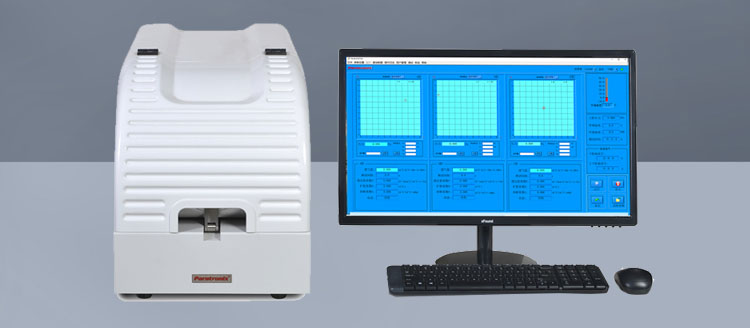
What An Oxygen Permeability Tester Measures
An oxygen permeability tester for solar backsheet materials measures the passage of oxygen through a film or laminate under controlled conditions. The usual result is oxygen transmission rate, or OTR: the quantity of oxygen passing through a specified area in a specified time. Results may be reported in cm³/(m²·day), with the gas volume referenced to stated conditions. A lower OTR indicates greater resistance to oxygen transmission under the test conditions.
OTR should not be confused with permeability, a material property that also accounts for specimen thickness and the oxygen partial-pressure difference. For multilayer backsheets, the structure may contain different polymers, coatings and adhesive layers, so reducing performance to one intrinsic permeability value can be misleading. Record the full laminate construction when known, the tested side orientation and the actual measurement conditions.
A backsheet protects the rear of a photovoltaic module and can contribute to electrical insulation and environmental durability. Oxygen barrier data can support material comparison and investigations into oxidation-sensitive components, but OTR alone cannot predict module service life. Water vapor transmission, ultraviolet exposure, temperature cycling, electrical properties and adhesion may also influence the suitability of a backsheet.
How Oxygen Transmission Testing Works
A specimen is sealed between two chambers. One side is exposed to an oxygen-containing test gas, while the other is maintained at a lower oxygen partial pressure. Oxygen moves through the specimen toward the lower-pressure side. The instrument measures the oxygen reaching that side and calculates transmission using the exposed test area and the time-dependent signal.
In a common sensor-based arrangement, a carrier gas sweeps permeated oxygen toward a detector. The system monitors the signal until the response meets the selected method’s stability criteria. Temperature and relative humidity affect many polymer barriers, so the test must control or document both. The test gas composition, carrier gas quality and pressure conditions also affect the result and its comparability.
The reported value is meaningful only if the measurement reflects transmission through the intended test area. Poor seals, damaged specimens and leaks in the cell or gas lines can introduce oxygen independently of permeation. Laboratories therefore check the system background and seals, condition samples as specified, and verify performance with suitable reference materials or procedures recommended by the instrument manufacturer.
Main Test Methods And Standards
ASTM D3985 describes an oxygen gas transmission rate method for plastic film and sheeting using a coulometric sensor. It can be relevant to a solar backsheet specimen when the material and test conditions fall within the method’s scope and the parties agree on the procedure. It is not automatically a complete qualification method for a finished photovoltaic module or every backsheet construction.
Other approaches include differential-pressure methods, such as those covered by ASTM D1434 for gas transmission through plastic film and sheeting, and applicable parts of ISO 15105 for plastic film and sheeting. Methods differ in detection principle, test conditions and calculation. Consult the current edition and confirm its scope, specimen requirements and reporting provisions before writing a purchasing specification or comparing results.
For module qualification, buyers should separately determine which photovoltaic standards and customer specifications apply; the IEC 61215 and IEC 61730 series address module design qualification and safety, respectively. They do not make a single backsheet OTR value a universal acceptance limit. paratronix offers water vapor permeability testers and other test equipment; ask the company to confirm the availability and specifications of any oxygen testing solution for the intended method.
Test Workflow And Quality Control
Begin with a sampling plan covering production lots, specimen locations and the number of replicates required by the method or customer agreement. Cut specimens large enough for the test cell, avoiding folds, scratches and damaged edges in the exposed area. Record laminate identification, thickness and orientation. Condition specimens at the agreed temperature and humidity for the specified time before mounting.
Inspect the cell and sealing surfaces, mount the specimen without distortion, and check for leakage using the instrument procedure. Set gas composition, flow, temperature and humidity to the selected method. Start the run and allow sufficient time to reach the required steady or otherwise specified measurement condition. High-barrier materials can require longer runs, so schedule capacity around expected transmission levels.
Report individual results and any required summary statistics alongside exposed area, gas conditions, conditioning, specimen thickness, orientation and deviations. Include the instrument identification, calibration status, test date and method edition. Investigate unexpected differences between replicates before treating them as a material trend: contamination, edge damage, leaks and incomplete equilibration can all affect results.
Applications And Buyers
Backsheet manufacturers use oxygen transmission measurements to compare film structures, assess incoming materials and monitor changes between production lots. Photovoltaic module manufacturers may request the data when evaluating suppliers or investigating material changes. Polymer producers and research laboratories can use controlled comparisons to study how coatings, adhesives, aging or processing conditions affect barrier performance.
When comparing alternative constructions, keep the test method and conditions consistent and include representative replicates. A coated laminate may perform differently after humidity exposure or mechanical handling, so agree on any preconditioning before testing. If the purpose is a supplier change decision, define the acceptance criteria in advance and combine OTR with other requirements relevant to the module design.
An oxygen permeability tester for solar backsheet evaluation can complement water vapor transmission testing because the two measurements address different gases and transport behavior. paratronix lists water vapor permeability testers among its equipment offerings, alongside leak and seal strength testers. Buyers should confirm suitability, relevant configurations and support for their specimens directly rather than assuming one instrument covers every test.
How To Select An Instrument
Start with the expected OTR range and ask for the instrument’s applicable measurement range, detection limit and uncertainty under the conditions you intend to use. A range quoted under one temperature or humidity setting may not apply unchanged elsewhere. Check specimen dimensions, allowable thickness, exposed area and cell sealing compatibility with stiff, textured or multilayer backsheet materials.
Evaluate temperature and humidity control, gas requirements, number of test cells, software reporting and the time needed for stabilization. Multiple cells can improve throughput, but independent control and simultaneous measurement should be verified rather than assumed. Request a demonstration or a representative sample test, with the full method and conditions documented, before comparing proposals from different suppliers.
Confirm how the supplier handles installation, training, calibration, maintenance and replacement parts in your location. Ask whether reference materials, leak checks and data exports support your laboratory procedures. paratronix identifies its business license with Unified Social Credit Code 91370105689842696E; buyers can independently verify registration and should separately confirm instrument specifications and any claimed conformity to test methods.
Ownership Costs And Future Trends
Total ownership cost includes purchase and installation, test gases, regulators, seals, reference materials, calibration, service and operator time. Long equilibration periods can limit throughput even when consumable costs are modest. Estimate annual demand by specimen type and test condition, then compare instrument capacity with the cost and turnaround time of an external laboratory using the same agreed method.
An investment case should consider faster development decisions, fewer delayed investigations and the value of testing more production lots, while recognizing that instruments do not replace a sound sampling plan. Request itemized quotations and service terms, including sensor replacement and software support. Define a maintenance and verification schedule from the manufacturer’s instructions, laboratory requirements and observed instrument performance.
As photovoltaic materials evolve, laboratories may need to assess new multilayer designs, recycled content and changes in barrier performance after environmental exposure. Better digital traceability and coordinated oxygen and water vapor measurements can make comparisons more useful, provided test conditions remain controlled. For a practical quotation, provide paratronix with specimen construction, expected barrier range, target method, environmental conditions and required monthly throughput.
 What does an oxygen permeability tester measure in solar backsheets?Discover how an oxygen permeability tester for solar backsheet materials measures oxygen transmission, compares barrier performance, and supports quality control.
 Does ASTM D3985 apply to oxygen transmission testing of solar backsheets?Choosing an oxygen permeability tester for solar backsheet evaluation? Discover when ASTM D3985 applies and how to obtain reliable OTR results.
Search by Keywords