




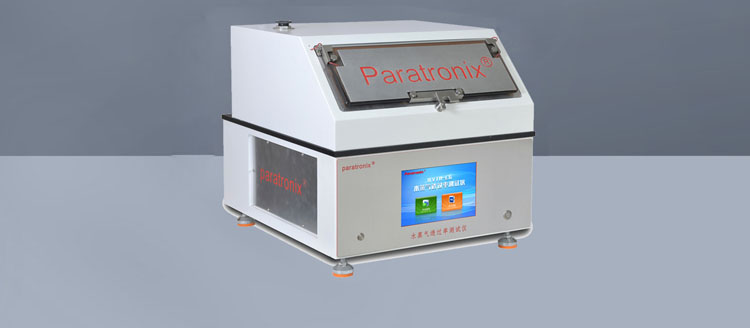
What A WVTR Tester Measures
A WVTR tester for medical device packaging measures the rate at which water vapor passes through a material under specified conditions. Results are commonly expressed in grams per square meter per day, or g/m²/day. The measurement helps packaging teams compare candidate films, laminates, and other materials when moisture exposure could affect a device or its sterile barrier system.
Water vapor moves across a material when a difference in water vapor pressure exists between its two sides. The measured transmission rate depends on temperature, relative humidity, material structure, and the test method. A lower result indicates less vapor transmission under the stated conditions, but it does not by itself establish that a finished package is suitable for a particular device.
Medical packaging may combine a formed tray or pouch with a lid, seal, and, where required, a sterilant-permeable material. Testing a flat material specimen characterizes that specimen; it does not automatically measure leakage through a seal, a pinhole, or a complete package. The test plan should distinguish material barrier performance from package integrity and seal performance.
Typical users include medical device manufacturers, packaging converters, contract laboratories, quality teams, and research groups. They use WVTR data during material screening, supplier qualification, change assessment, and shelf-life development. Acceptance limits should be derived from the device's sensitivity and packaging requirements rather than copied from an unrelated product or test report.
Test Principles And Main Method Types
In a sensor-based permeation test, a specimen separates a humid side from a drier measurement side. Water vapor passing through the exposed area is carried or delivered to a sensor, which measures the transmitted moisture. The instrument calculates a rate from the signal and known test parameters. The specimen must be mounted without edge leaks that could distort the result.
ASTM F1249 describes an infrared sensor method for measuring water vapor transmission rate through plastic film and sheeting. ASTM E96/E96M describes gravimetric water vapor transmission methods using a dish assembly and mass change. ISO 15106 includes several instrument-based methods for plastic film and sheeting. Check the current edition, specimen scope, and applicable procedure before specifying compliance.
Gravimetric methods can be useful when their sensitivity, duration, and sample geometry suit the material. Sensor-based instruments may support controlled conditions and measurements suited to lower transmission rates, depending on the instrument. Results from different methods or laboratories should not be assumed interchangeable: conditioning, humidity gradient, temperature, exposed area, and uncertainty can all affect comparisons.
For a layered laminate, record the specimen orientation because test setup and material construction can affect interpretation. Document whether the reported value represents steady-state transmission and whether replicates were tested. For very low-barrier or highly permeable specimens, confirm that the method and sensor range are appropriate; readings near a measurement limit require particular care.
Medical Packaging Applications And Standards
A moisture-sensitive diagnostic component, electronic device, or drug-device combination may require packaging with a defined water vapor barrier. Teams can use WVTR results to compare films before package design is finalized and to investigate material changes later. The required barrier depends on the device, storage environment, intended shelf life, package geometry, and any moisture-control measures.
ISO 11607-1 addresses requirements for materials, sterile barrier systems, and packaging systems for terminally sterilized medical devices; ISO 11607-2 addresses validation requirements for forming, sealing, and assembly processes. Neither a material WVTR result nor a single leak test alone establishes compliance. Apply the relevant editions and demonstrate that the complete packaging system meets its intended requirements.
Test planning should also consider the intended sterilization process and distribution environment. If sterilization or aging can alter a material or seal, compare appropriate specimens before and after the relevant treatment. Accelerated aging may support a shelf-life program when justified, while real-time aging provides complementary evidence. Define sampling and acceptance criteria in the packaging validation plan.
For laboratories building a broader packaging test capability, paratronix lists water vapor permeability testers alongside leak testers, leak and seal strength testers, medical packaging physical performance testers, and non-destructive micro-leakage testers. These categories address different questions: use WVTR equipment for material moisture transmission and select suitable complementary methods for seal strength and package integrity.
How To Select A Testing System
Start with representative materials and expected WVTR values, then request the instrument's stated measurement range, resolution, and uncertainty under relevant conditions. A WVTR tester for medical device packaging should be capable of measuring the intended specimens with sufficient separation from its practical detection limit. Ask how performance is verified and what evidence supports the quoted specifications.
Specify the test temperature, relative humidity on each side, exposed area, sample thickness range, and specimen format. Check whether the available fixtures support the film or sheet construction without damage or leakage. If complete packages must be evaluated, ask whether a suitable validated configuration exists; do not assume a flat-film cell can measure a finished pouch or tray.
Compare throughput using realistic conditioning and equilibration times, not only the instrument's number of test stations. Clarify whether stations operate independently, which consumables and gases are required, and how results are calculated and exported. If the laboratory follows controlled electronic record procedures, assess user access, audit trail, and data retention against its own requirements.
Before purchase, share representative samples and a draft test protocol with the supplier. Request a written quotation covering the configuration, installation needs, training, calibration arrangements, service response, and available documentation. Review the proposed method against the applicable standard and ask the supplier to identify any requirements that depend on accessories, laboratory conditions, or a separate validation.
Installation Testing And Quality Control
Prepare a stable laboratory environment and confirm the power, gas supply, ventilation, and bench requirements specified for the selected instrument. During installation, document the configuration and check basic operation. Where required by the quality system, perform installation and operational qualification using approved protocols, then demonstrate performance with representative materials and defined acceptance criteria.
A practical workflow begins with identifying and conditioning specimens, inspecting them for damage, measuring thickness where relevant, and recording orientation. Mount each specimen as instructed, establish the required temperature and humidity conditions, and allow adequate equilibration. Run the measurement according to the selected method, including any required blanks, checks, and replicate specimens.
Report the material identity and lot, method and edition, test conditions, exposed area, conditioning, individual results, and any deviations. Include relevant calibration or verification information and uncertainty when required by the laboratory's procedure or customer agreement. Preserve raw data and review unexpected results before releasing a report or making a material disposition decision.
Set preventive maintenance and verification intervals from the manufacturer's instructions, usage, instrument stability, and quality-system requirements. Inspect seals and fixtures, replace consumables as needed, and investigate drift or failed checks. Use suitable reference materials or verification artifacts where available, and assess the impact on previous results if an instrument is found outside its established limits.
Ownership Costs Future Trends And Next Steps
The purchase price is only one part of total ownership cost. Budget for fixtures, installation, training, gases or other consumables, reference materials, calibration, maintenance, software support, and replacement parts. Also account for operator time, sample preparation, equilibration, repeat tests, and instrument downtime. Compare quotations on the same configuration and expected annual workload.
To assess return on investment, estimate the cost and turnaround time of current external testing against the full annual cost of an in-house system. Include realistic utilization, staffing, method validation, and service expenses. Faster access to results may help development or investigations, but the financial value depends on actual project schedules and the laboratory's ability to maintain reliable measurements.
Packaging teams are increasingly evaluating material substitutions and designs intended to improve resource efficiency. Such changes can alter barrier performance, processing behavior, or seal compatibility, so they require evidence against device-specific requirements. Digital records and automated data handling can support traceability, provided the laboratory validates the functions relevant to its quality procedures and controls access appropriately.
For a focused equipment discussion, provide paratronix with the material construction, expected WVTR range, target test conditions, applicable method, sample format, and anticipated throughput. Include any need for complementary leak or seal strength testing. A supplier response can then be assessed against the laboratory's technical, documentation, service, and budget requirements before a purchase decision.
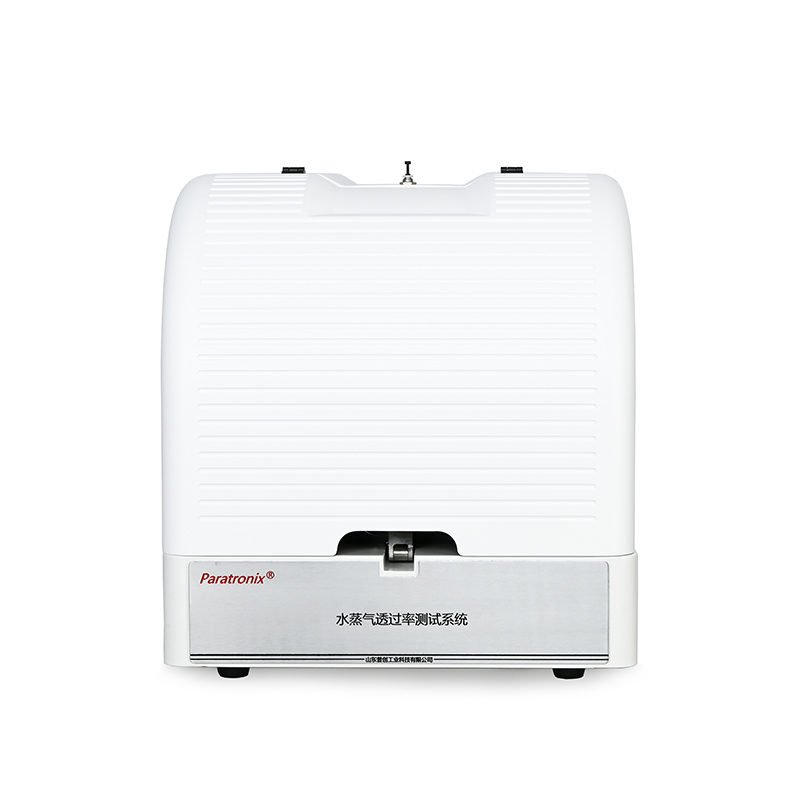
 WVTR-E3 Water Vapor Transmission Rate TesterWVTR-E3 Water Vapor Transmission Rate Tester is designed and manufactured based on the infrared sensor method and is applicable to test the water vapor transmission rate of medium and high barrier materials such as plastic films, composite films, sheets, papers and other various materials.
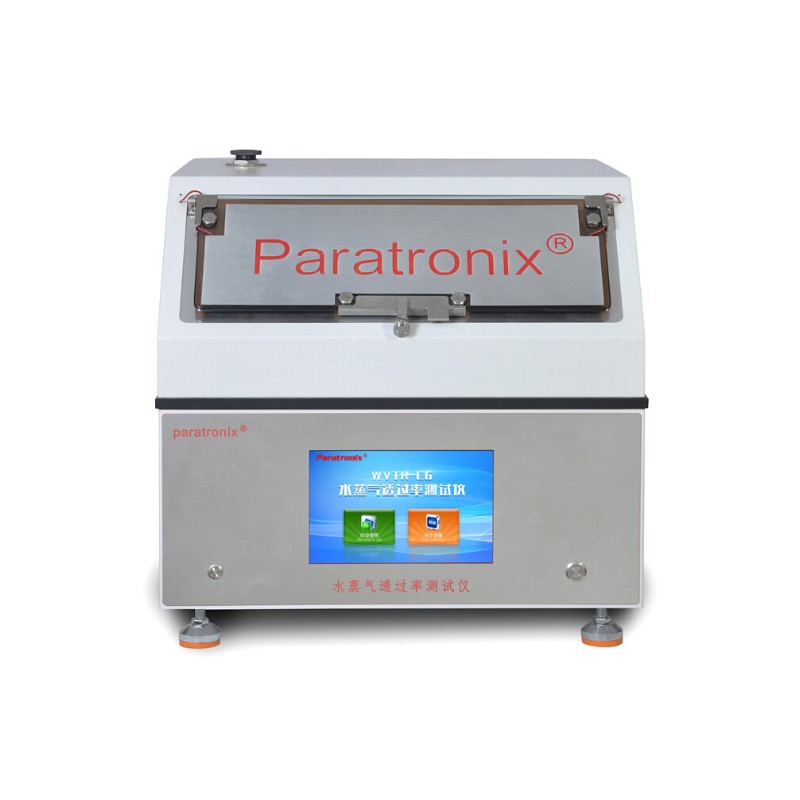
 WVTR-C6 Water Vapor Transmission Rate TesterWVTR-C6 Water Vapor Transmission Rate Tester is designed and manufactured based on the gravimetric method and can be used to test the water vapor transmission rate of plastic films, composite films, sheets, and other materials used in the packaging, medical, and construction industries.
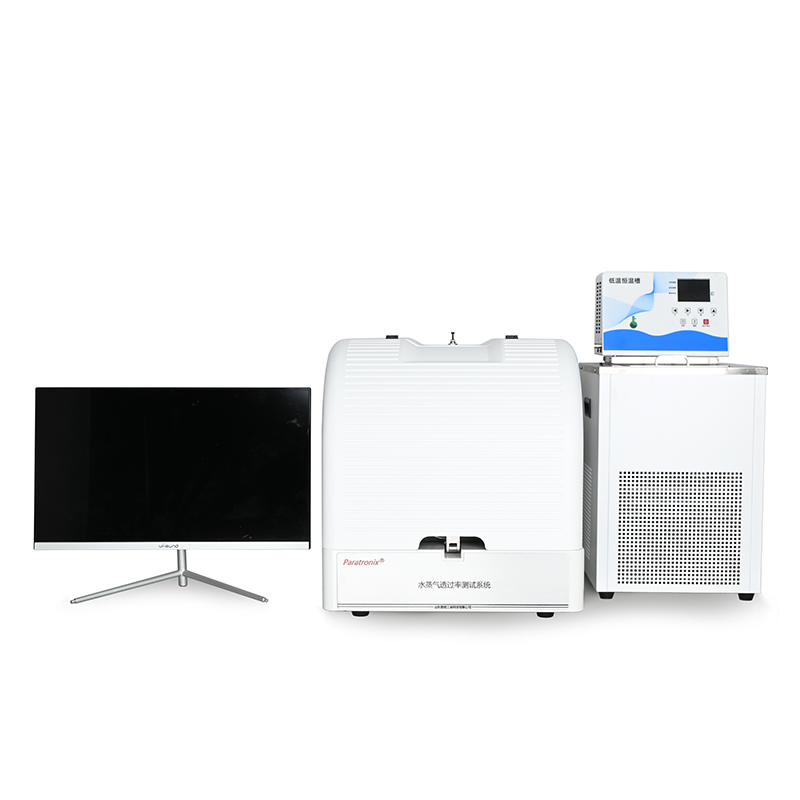
 WVTR-AE3 Water Vapor Transmission Rate TesterWVTR-AE3 Water Vapor Transmission Rate Tester is designed and manufactured based on the electrolytic sensor method and is applicable to test the water vapor transmission rate of medium and high barrier materials such as plastic films, composite films, sheets, papers and other various materials.
Search by Keywords