




What Oxygen Permeability Testing Measures
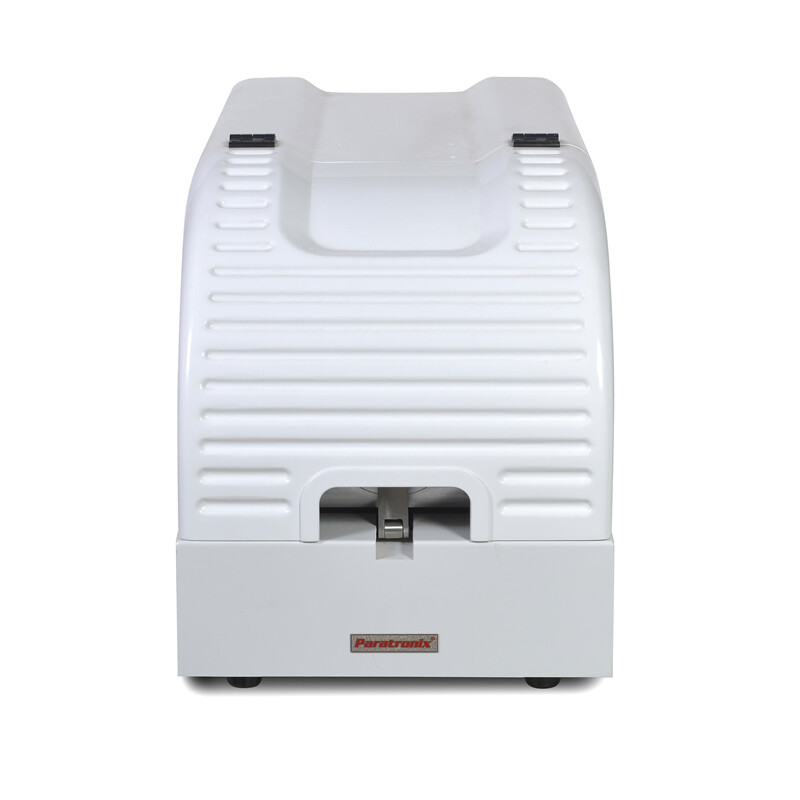
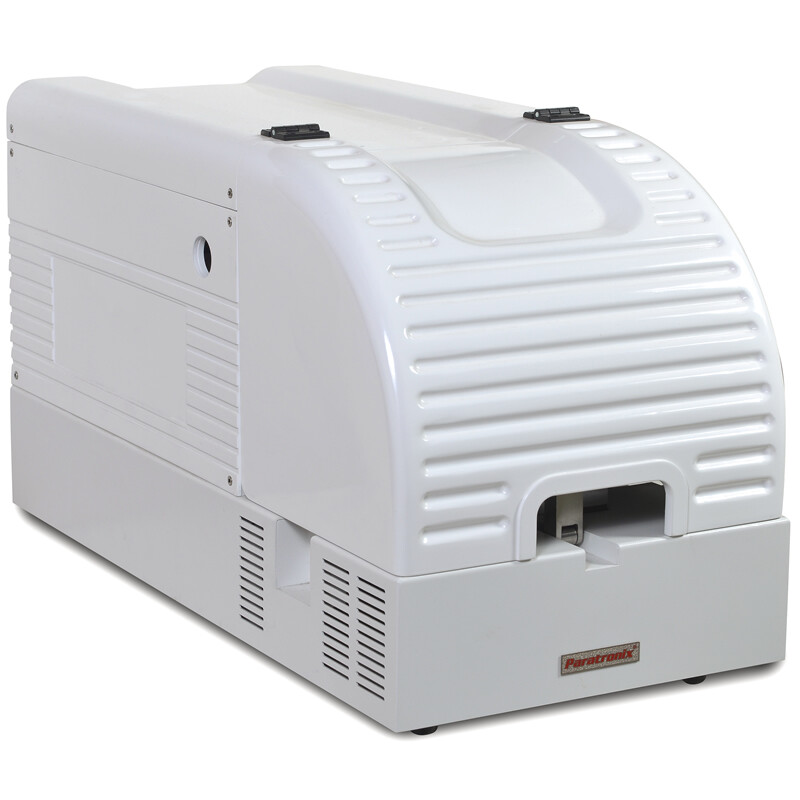
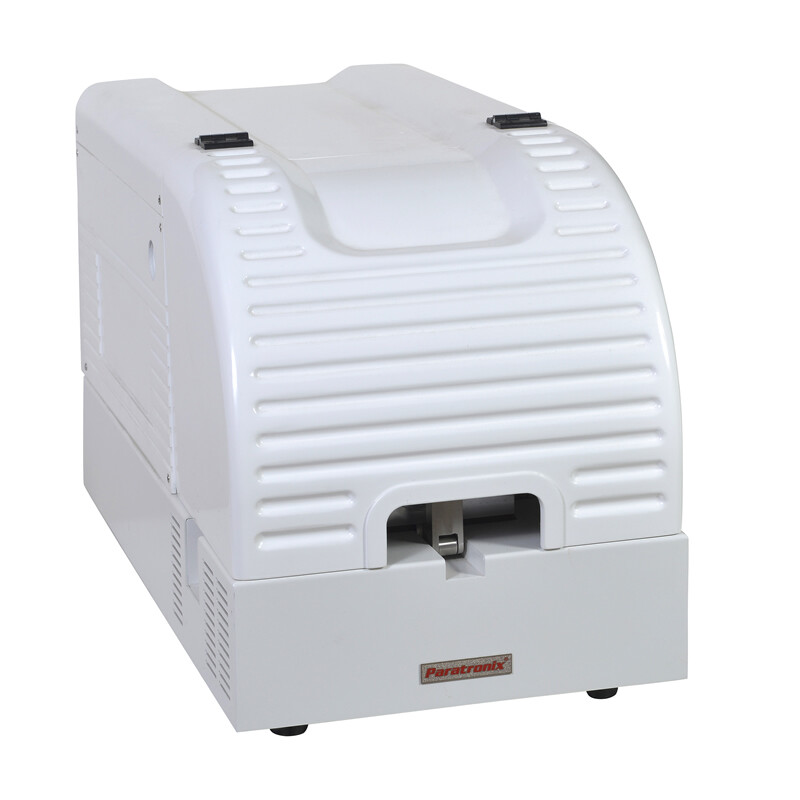
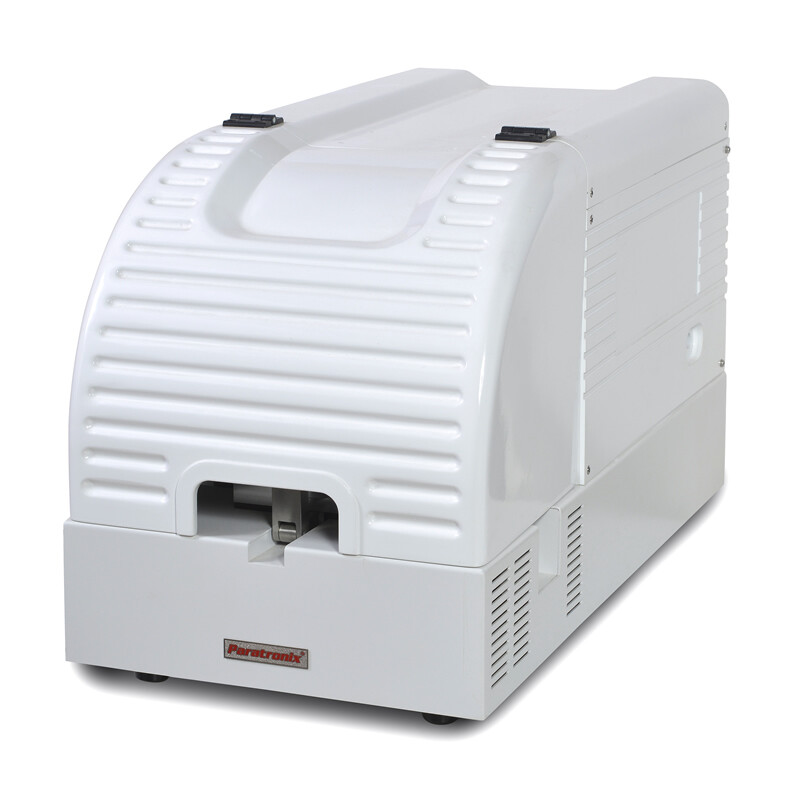
An oxygen permeability tester for plastic film measures how quickly oxygen passes through a material under defined conditions. The result helps packaging manufacturers and their customers assess whether a film provides an appropriate barrier for an intended application. Testing can also reveal changes between production batches, support material development, and provide comparable evidence when a supplier and buyer agree on a method and reporting conditions.
The most commonly reported property is oxygen transmission rate, or OTR: the volume of oxygen passing through a specified film area over a specified time under stated conditions. Results are often expressed in cm³/(m²·day), with the oxygen partial pressure difference and measurement conditions reported alongside. Temperature, relative humidity, test gas composition, and specimen preparation all matter when comparing values.
OTR describes a particular specimen, including its thickness and structure. Oxygen permeability is a material property that also accounts for thickness and the oxygen partial pressure difference, subject to the assumptions of the selected method. For multilayer, coated, or nonuniform films, a simple thickness-normalized value may not characterize each layer independently. Buyers should confirm which quantity appears in a specification before comparing reports.
Typical users include flexible packaging converters, resin and film producers, food and pharmaceutical packaging teams, independent laboratories, and quality departments. They test materials such as polyethylene, polypropylene, polyester, barrier-coated films, and multilayer laminates. The suitable barrier level depends on the packaged product and its distribution conditions; a lower OTR is not automatically the most economical choice for every application.
How The Test Principle Works
A film specimen is sealed between two chambers. One side is exposed to an oxygen-containing test gas, while the other side is maintained at a lower oxygen partial pressure. Oxygen dissolves into the film, diffuses through it, and emerges on the receiving side. The instrument monitors the transmitted oxygen and calculates a rate using the exposed area and the relevant method conditions.
Before measurement, the receiving side is normally purged or otherwise brought to the required starting condition. The instrument then tracks the oxygen signal over time. For methods requiring a steady-state result, the operator waits until the measured rate meets the applicable stability criteria. High-barrier materials can require longer equilibration than more permeable films, so an instrument's quoted cycle time should be checked against representative samples.
Temperature affects molecular movement, while humidity can change the barrier behavior of moisture-sensitive materials. The oxygen partial pressure difference drives transmission, and film thickness, defects, and multilayer construction also influence the measured rate. A report should identify these conditions rather than presenting a bare number. Comparing results obtained at different temperatures or humidities without qualification can lead to an incorrect material decision.
Measurement quality depends on the complete test system, including the cell, seals, gas supply, conditioning controls, and detector. A damaged gasket or poorly mounted specimen can create an unintended leakage path around the film. Background oxygen and unstable gas flow can also affect low-level measurements. Follow the equipment and method instructions for leak checks, blanks, calibration, and acceptance criteria.
Main Test Methods And Standards
A common approach uses a coulometric sensor to detect oxygen transmitted through the specimen. The receiving chamber is swept with a carrier gas that transports oxygen to the sensor, and the instrument relates the detector signal to transmission rate. ASTM D3985 describes a coulometric method for oxygen gas transmission through plastic film and sheeting under dry conditions within its stated scope.
Other methods use pressure changes or gas concentration measurements to determine gas transmission. ASTM D1434 covers gas transmission rate of plastic film and sheeting using differential-pressure procedures. ISO 15105-1 addresses the differential-pressure method, while ISO 15105-2 covers an equal-pressure method. These methods have different apparatus requirements and applicability; a buyer should specify the required standard and edition rather than assuming interchangeability.
For films tested with a coulometric detector, ISO 15105-2 is also relevant within the scope and conditions of that method. Humidity capability should be checked separately: a procedure or instrument configured for dry testing cannot automatically provide results at a specified relative humidity. Confirm the required conditioning, gas purity, temperature, humidity, and reporting units with the receiving laboratory or customer.
Standards support consistent measurement, but they do not by themselves establish that a package meets every market or product requirement. A customer may specify a particular method, test condition, limit, and sampling plan in its purchasing agreement. Check the current edition and applicable local requirements before issuing a specification, and document any permitted deviations when results are shared across laboratories.
Applications And Related Testing
Food packaging teams use oxygen transmission data when comparing films for products sensitive to oxidation, aroma loss, or quality changes during distribution. A test result supports material selection and supplier qualification, but it does not independently predict shelf life. The finished pack, headspace, sealing performance, storage temperature, and product formulation must also be considered in an appropriate validation program.
Pharmaceutical and medical packaging teams may evaluate barrier materials alongside package integrity and physical performance. Film OTR describes transmission through the tested material; it does not establish that a seal is intact or that a complete package meets a product-specific requirement. Combine material testing with package-level methods selected for the product, risk assessment, and applicable regulatory expectations.
For laboratories building a broader packaging test workflow, paratronix lists water vapor permeability testers, leak testers, seal strength testers, and non-destructive micro-leakage testers among its testing equipment offerings. These categories address complementary questions about moisture transfer and package integrity. Ask paratronix which available equipment and configurations match the intended test method, specimen, and operating conditions before preparing a purchase specification.
Converters can use incoming inspection, process checks, and finished-roll testing to investigate changes in coating or lamination. Select sampling locations and frequency according to process variation and the consequences of a barrier failure. When investigating an unusual result, retain the specimen identification, film orientation, thickness information, and production history so the laboratory can distinguish material variation from preparation or handling problems.
How To Select And Operate A Tester
Start with the expected OTR range and the method required by your customers. The instrument's validated measurement range, detection capability, and repeatability should suit both routine materials and the lowest rates you need to distinguish. Ask suppliers how performance is demonstrated under your intended temperature and humidity conditions, and provide representative samples for an application review where available.
Next, assess specimen size, test area, temperature control, humidity capability, gas requirements, and the number of independent test cells. Multiple cells can improve throughput, but actual capacity depends on conditioning and the time needed to reach the method's endpoint. Confirm whether software records raw data, identifies specimens, applies acceptance criteria, and exports reports in a format your quality system can use.
Install the instrument in an environment that meets the manufacturer's requirements for power, temperature, ventilation, and gas supply. Train operators to cut and mount representative specimens without wrinkles or damage, verify seals, and condition samples as the method requires. Measure thickness when needed for interpretation, and record specimen orientation and the exposed face for asymmetric or coated films.
Before routine use, establish documented checks for calibration, leaks, background signal, and reference materials where appropriate. Follow the manufacturer's maintenance schedule for sensors, seals, filters, and other consumables, adjusting inspection frequency to actual use and quality procedures. Investigate drift and unexpected results before releasing data, and compare laboratory results only when methods, conditions, and sample preparation are sufficiently aligned.
Ownership Costs And Future Trends
The purchase price is only one part of the total cost of ownership. Budget for carrier and test gases, regulators, consumables, calibration, maintenance, operator training, software support, and potential downtime. Humidity control or additional cells may add capability and cost. Request an itemized quotation that identifies supplied accessories, installation requirements, warranty terms, and service availability in your location.
Estimate annual workload by material type and required conditions, then compare in-house capacity with external laboratory costs and turnaround times. Include sample conditioning and instrument occupancy, especially for high-barrier specimens. An investment is more compelling when it supports frequent release decisions, reduces avoidable production delays, or improves development feedback; quantify those effects using your own operating data rather than a generic payback claim.
Material development is increasing interest in testing recyclable structures, thinner films, and alternative barrier coatings. These changes can alter sensitivity to humidity, handling, or defects, making controlled comparison more useful during development. Laboratories are also seeking clearer digital records and more efficient workflows. The practical value of automation depends on whether it preserves traceability, method compliance, and meaningful review of unusual measurements.
When requesting an oxygen permeability tester for plastic film, share the material structure, expected transmission range, relevant standard, test conditions, sample volume, and reporting needs. Include any requirements for moisture barrier or package integrity testing if a broader laboratory workflow is planned. A written technical and commercial response from paratronix can then be evaluated against the same criteria used for other suppliers.
 ASTM D3985 vs ISO 15105-2: Oxygen Transmission Testing for FilmsFind the right oxygen permeability tester for barrier films. Compare ASTM D3985 and ISO 15105-2 and learn what makes OTR results reliable.
 Does your food packaging oxygen tester meet ASTM D3985?Find out whether your oxygen permeability tester for food packaging supports ASTM D3985, from instrument configuration to reliable, traceable results.
 Can an oxygen permeability tester measure sealed blister packs?Can an oxygen permeability tester for pharmaceutical packaging measure sealed blisters? Explore package testing, seal integrity and equipment selection.
Search by Keywords