




Recent Posts
 Can an oxygen permeability tester measure sealed blister packs?Nov 11, 2026
 What Does an Oxygen Permeability Tester Measure in Finished Pouches?Nov 11, 2026
 Which standards apply to oxygen permeability testing of coated paper?Nov 11, 2026
 How does an oxygen permeability tester measure coated paper?Nov 11, 2026
 What Does an Oxygen Permeability Tester Measure in Blister Packaging?Nov 11, 2026
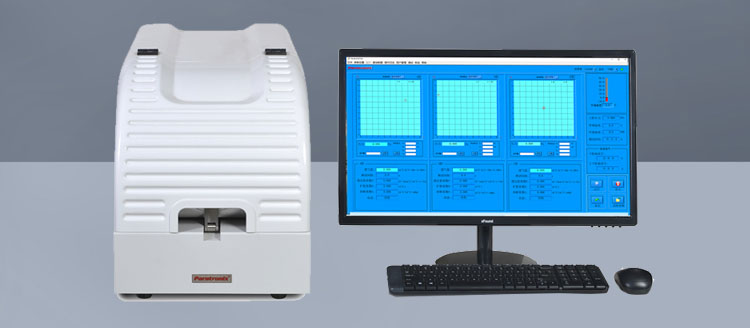
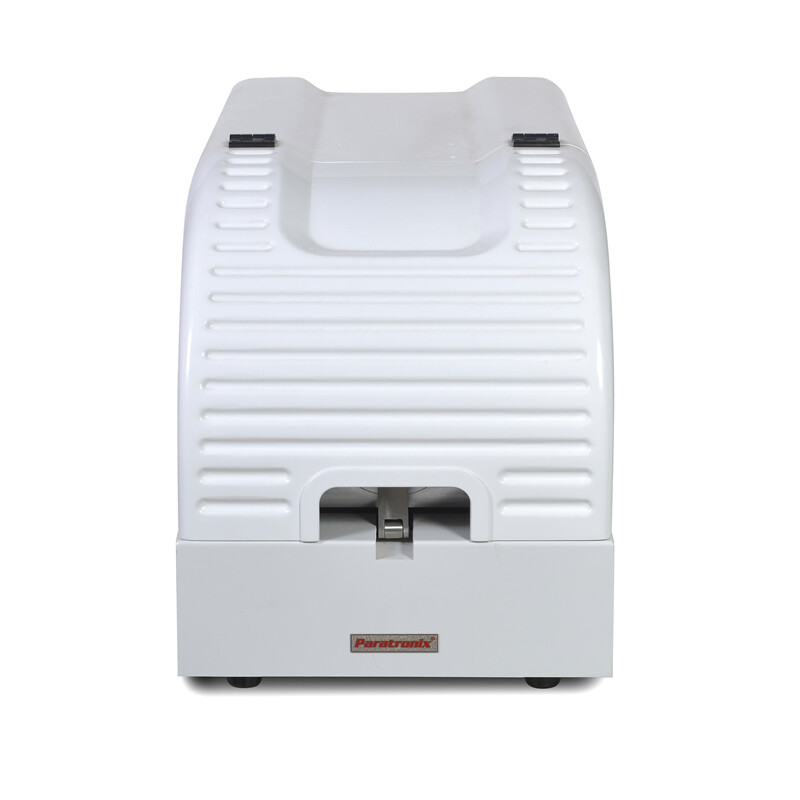
Yes, some oxygen permeability test systems can measure oxygen transmission through a sealed blister pack, but only when they are designed and configured for finished packages. A conventional film-testing instrument does not automatically have that capability. If the question is whether the blister has a defective seal or a leak, an oxygen permeability measurement alone may not be the right test.
The distinction matters when specifying an oxygen permeability tester for pharmaceutical packaging. A material test measures oxygen passing through a sample of film or laminate under defined conditions. A finished-pack test looks at oxygen entering through the assembled package. A package integrity test looks for defects that could compromise the closure or other parts of the pack. Each answers a different question, and the results should not be treated as interchangeable.
What can be measured on a sealed blister pack?
A sealed blister presents several possible paths for oxygen to reach the cavity. Oxygen can permeate through the formed web and lidding material, depending on their construction. It may also enter through a seal defect, a pinhole, a crack or damage created during forming and handling. The relative contribution of each path depends on the package design and condition.
A finished-package oxygen transmission test is intended to assess oxygen ingress under controlled conditions. Depending on the test method and setup, the result may reflect the combined behavior of the package components and the seals. It does not necessarily identify where oxygen entered, and a test designed for permeation should not be assumed to detect every defect that an integrity test can detect.
For example, if a project is comparing two transparent forming films, testing the films can help establish whether their oxygen barrier properties differ. If the concern is whether a change in sealing temperature has created channels in the seal, the project needs an integrity method that can detect the relevant defects. If the concern is oxygen exposure inside the finished cavity over storage, the package-level behavior and its relationship to product sensitivity become important.
Material testing and finished-pack testing answer different questions
In a typical material oxygen transmission test, a flat specimen is mounted between chambers with different oxygen conditions. The instrument measures oxygen that passes through the exposed area. Temperature, humidity and the condition of the specimen are controlled or recorded because they can affect the result.
This approach is useful for selecting forming films, comparing laminates, checking incoming materials or investigating a change in a material supplier. It can also support package design by showing which component is likely to contribute most to oxygen transmission through intact material.
However, a flat specimen does not reproduce everything that happens when a blister is made. Forming can change local material thickness, particularly around corners and cavity walls. The finished pack also includes a seal and may experience stresses that are absent from a flat sheet. A strong material barrier result therefore cannot, by itself, establish the performance of the assembled pack.
Finished-package testing addresses a different specimen: the assembled blister. It may be valuable when the project needs to compare package designs, assess the effect of forming or sealing changes, or generate package-level data for a stability strategy. The test configuration must suit the actual pack geometry and the measurement objective. A result reported for a whole cavity or package also cannot be compared directly with a material result expressed per unit area without a defensible basis for the comparison.
When a package integrity test is the better starting point
If the immediate question is “Did the seal close properly?” start by defining the defects that matter and selecting a container closure integrity method capable of detecting them. Depending on the pack and the required sensitivity, options may include pressure or vacuum-based methods, tracer-gas methods, electrical methods or other validated approaches. Some methods are more suitable for locating a defect; others provide a pass-or-fail result for the pack as a whole.
The selection depends on more than the instrument’s stated detection capability. The blister’s size, cavity volume, material properties and seal geometry all affect whether a method can be applied reliably. The team also needs to consider whether the test is destructive, whether it can be used on filled packs, and how known defects will be used to demonstrate that the method can find the failures of concern.
Leak detection and oxygen transmission testing can be complementary. A pack may have no detectable leak under a particular integrity method yet still allow oxygen to permeate through its intact materials. Conversely, a damaged pack may show oxygen ingress that is dominated by a defect rather than the barrier properties the project intended to evaluate. An integrity check can help distinguish these situations when interpreting a package-level oxygen result.
Can the tester accommodate the actual blister?
“Finished-package capability” is only a starting description. Before selecting equipment, establish how the blister will be connected to or held by the test system and what part of the pack will be measured.
A blister card may contain several individually sealed cavities, sometimes with perforations or a peelable lidding structure. The test may need to measure one cavity, a section of the card or an assembly containing multiple cavities. These choices affect sample preparation, the meaning of the result and the practicality of routine testing.
Ask the equipment supplier to explain the proposed fixture and measurement procedure using the intended pack drawings and representative samples. The discussion should cover:
- Access to the cavity: How is the internal atmosphere connected to the measurement system, and does the connection require puncturing or modifying the pack?
- Fixture sealing: How will the interface between the pack and the fixture be sealed, and how will leakage at that interface be checked?
- Exposed surfaces: Which parts of the forming web, lidding and perimeter seal remain exposed during the test? A fixture that masks a surface may change what the result represents.
- Pack construction: Can the fixture accommodate the cavity depth, card dimensions, lidding material and seal design without damaging or distorting them?
- Sample state: Will the test use empty packs, placebo-filled packs or product-filled packs, and is that choice appropriate for the question being asked?
Modifying a blister to attach it to a test system does not automatically invalidate a measurement. It does mean the connection becomes part of the method and must be shown not to dominate the result. A poor fixture seal can be mistaken for oxygen entering through the package itself.
Define the result before defining the equipment
For procurement and validation, a useful specification begins with the decision the data must support. “Measure oxygen permeability” is often too broad: the team may need to compare materials, investigate a manufacturing change, characterize a finished cavity or support an oxygen-sensitive product’s packaging strategy.
Write down the desired output and the conditions under which it is meaningful. A material transmission rate, a package-level ingress rate and an oxygen concentration inside a cavity describe different quantities. They may require different equipment or test arrangements. Even when results are related, the relationship depends on the package, the gas conditions and the test method.
Test conditions also need to reflect the intended use of the data. Temperature and relative humidity can influence the behavior of some packaging materials. The oxygen conditions on either side of the specimen, the time allowed for conditioning and the duration of the measurement can affect comparability. If one design is tested under different conditions from another, a difference in results may not be attributable to the packaging alone.
For a finished blister, consider the starting atmosphere and the small cavity volume as well. Residual oxygen after sealing is not the same as oxygen entering during storage. Product, headspace and packaging materials may also interact with oxygen, so a headspace reading should not automatically be treated as a direct measurement of package transmission. The test plan should state which quantity is being measured and how the result will be interpreted.
Build the test plan around the project decision
Consider a project changing the forming film for an oxygen-sensitive tablet while retaining the same lidding and blister design. Flat-film testing can screen whether the proposed material has an appropriate oxygen barrier under the selected conditions. That is useful early in development, before committing to a full packaging trial.
After forming and sealing, the question changes: does the assembled pack provide the required protection, and has the manufacturing process introduced defects? A package-level oxygen assessment may help compare the assembled designs, while an appropriate integrity method can assess the relevant seal or package defects. If the product’s stability depends on oxygen exposure, the packaging data should be considered alongside the product’s stability work rather than used as a stand-alone prediction of shelf life.
The same logic applies to a sealing-process change. Material oxygen transmission data may remain useful as background information, but it cannot show that the revised seal is sound. The project should focus on seal and package integrity, then consider package-level oxygen testing if the change could also affect the oxygen protection being assessed.
What to include in an equipment request
Before asking for a quotation, prepare a short application brief with the following information:
- The decision the result will support and whether the specimen is a flat material, an individual cavity or a finished blister card.
- Drawings or samples showing cavity dimensions, forming and lidding materials, seal layout and any perforations.
- The intended test conditions, expected sample state and the form in which results need to be reported.
- The expected testing workload, available time per test and whether the method is for development, investigation or routine use.
- Requirements for method qualification or validation, data handling, calibration and documentation within the project’s quality system.
Ask suppliers to describe sample preparation, fixture checks, measurement range, test duration and the basis for the proposed method for that specific blister. A demonstration with representative packs can reveal practical issues such as awkward connections, unstable readings or excessive preparation time before they affect the project schedule.
Paratronix Instruments supplies packaging testing instruments for pharmaceutical and other packaging applications. When discussing a blister project with an equipment provider, share both the material-testing and finished-pack requirements if they are in scope; the two may call for different configurations or separate methods.
The most useful starting point is a clear statement of what must be known: oxygen transmission through a material, oxygen ingress into an assembled pack, or the presence of package defects. Once that decision is defined, the team can select a method, establish a representative sample and evaluate equipment against the actual blister design.
Leave A Reply
Search by Keywords