




Recent Posts
 Can a puncture force tester perform ASTM F1306 tests?Nov 23, 2026
 Infrared vs Gravimetric WVTR Testing: Which Method Fits Your Material?Nov 23, 2026
 Paper Tensile Strength Testers: Which Grips and Load Cells Do You Need?Nov 21, 2026
 Are Thin Film Tensile Testers Compatible With ASTM D882? What to CheckNov 21, 2026
 Air Permeability Testing for Plastic Films: Methods and Use CasesNov 21, 2026
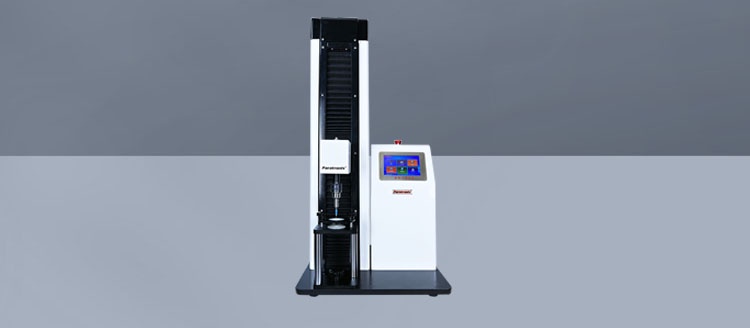
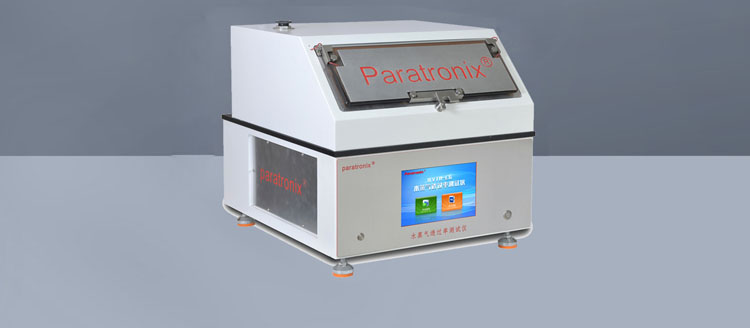

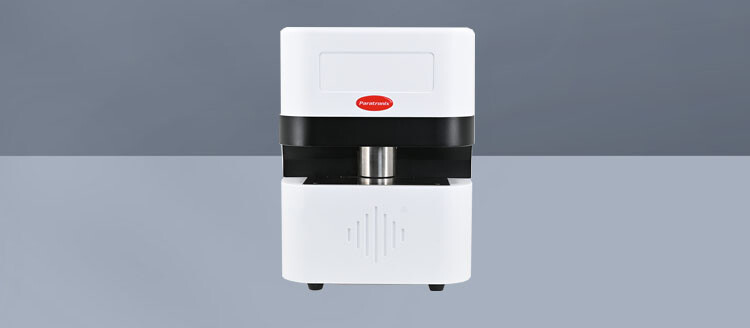
Choosing the right wvtr tester starts with the material and the decision the result must support. Infrared and gravimetric methods both measure water vapor transmission, but they differ in sensitivity, test duration, sample preparation, and operating demands. For pharmaceutical packaging, plastic films, and high-barrier materials, those differences can determine whether a method is suitable for routine release, product development, or comparison with a customer’s specification.
The better choice is not automatically the instrument with the lowest advertised detection limit. It is the method that can measure the required transmission range under the specified conditions, with defensible uncertainty and enough throughput for the laboratory’s workload.
How the two WVTR methods work
Infrared detection
An infrared WVTR system typically seals a film between a humid side and a dry carrier-gas side. Water vapor permeates through the exposed area and is carried to an infrared sensor, which quantifies the water vapor reaching the dry side. The instrument uses that measurement and the exposed area to calculate the water vapor transmission rate.
Infrared detection is attractive when low transmission rates must be measured without waiting for a cup to accumulate a readily weighable mass change. Its practical performance depends on the instrument’s range, background moisture, sealing, conditioning, gas supply, and the selected temperature and humidity conditions.
Gravimetric measurement
A gravimetric test measures mass change over time. In a common desiccant procedure, a specimen seals a cup containing desiccant; water vapor passes through the material and increases the cup’s mass. A water-filled cup can also be used in an appropriate procedure, with mass loss indicating vapor transfer in the opposite direction.
The rate is calculated from the mass-change slope and exposed area after the applicable steady-state criteria have been met. A balance, test cups, controlled conditions, and disciplined handling are central to the method. For very low-permeability materials, obtaining a reliable slope can take considerable time because the mass change is small.
Infrared vs gravimetric WVTR testing at a glance
Neither column is a guarantee for a particular material. Compare complete methods at the required test conditions, including preparation and equilibration time, rather than comparing sensor specifications alone.
Start with the specification, then choose the wvtr tester
Before requesting quotations, define the expected WVTR range, the reporting unit, the required temperature and relative humidity, and whether the result is for material development, supplier qualification, or release. WVTR is commonly reported in grams per square meter per day, but values obtained under different conditions should not be treated as interchangeable.
The method must resolve the decision limit with suitable uncertainty. If a specification sets a maximum WVTR, ask how the laboratory will demonstrate that its measurement uncertainty is small enough to support an acceptance decision near that limit. A stated instrument range or detection limit alone does not establish uncertainty for the full test.
For example, a high-barrier laminate may produce a signal close to the system background. In an infrared setup, residual moisture or leakage can become significant relative to permeation. In a gravimetric setup, balance repeatability, buoyancy effects, cup handling, and seal integrity may obscure the mass-change slope. In either case, blanks, controls, replicate measurements, and a documented uncertainty assessment help establish whether the result is fit for use.
Account for the material’s behavior
Thickness, structure, and moisture history affect the time needed to reach a stable transmission rate. Multilayer films may absorb water before the measured flux stabilizes. Hygroscopic materials can require substantial conditioning, while coatings or metallized layers may be vulnerable to handling damage.
Check that the specimen can be mounted without wrinkles, cracks, or edge leaks. The exposed area should be defined by the applicable procedure, and the seal must remain intact throughout the test. For anisotropic or asymmetric structures, record which surface faces the higher humidity; reversing the film can affect the outcome, particularly during transient conditions.
Standards define the procedure, not just the instrument
ASTM E96/E96M describes gravimetric water vapor transmission methods for materials. ASTM F1249 covers water vapor transmission rate through plastic film and sheeting using a modulated infrared sensor. ISO 15106-2 addresses an infrared detection method for plastic film and sheeting. Each standard has its own scope, procedures, and conditions; purchasing an instrument does not by itself establish compliance.
Confirm the edition specified by the customer, contract, or applicable quality system. Review specimen preparation, conditioning, test conditions, calculation, and reporting requirements before comparing methods. A laboratory may need a different procedure for a finished package than for a flat film specimen, so confirm that the selected standard covers the actual test item.
Do not assume infrared and gravimetric results will match numerically merely because both are reported as WVTR. Temperature, humidity difference, specimen orientation, equilibration, exposed area, and leakage can all affect results. When changing methods or qualifying a new supplier, run a documented comparison on representative materials under aligned conditions and investigate differences before using the results interchangeably.
Match the method to the material and decision
Pharmaceutical packaging
For a moisture-sensitive pharmaceutical product, the relevant decision may concern a packaging system rather than an isolated film. A flat-film result can support material selection, but it does not independently account for seal quality, closures, forming, or defects in the finished pack. Determine which component or package the qualification plan requires.
Where a film’s expected transmission rate is low, an infrared method may be useful if its demonstrated range and uncertainty cover the acceptance limit. A gravimetric approach may also be appropriate where the governing procedure permits it and the laboratory can obtain a reliable result within the required time. Document traceability, method suitability, and any method transfer under the applicable quality system.
Plastic films and flexible packaging
For films with higher transmission rates, gravimetric testing can provide practical capacity using multiple cups and a suitable balance. Its economics are strongest when weighing schedules, environmental control, and sample sealing are manageable. The same approach becomes less attractive when operators spend substantial time handling cups or when the mass change is too small for the required decision.
Infrared instruments can reduce repeated manual weighing and may support faster feedback during formulation or process trials. Evaluate the number of test positions, changeover time, and conditioning requirements against the actual sample queue; automated data collection does not eliminate specimen preparation.
High-barrier materials
For metallized films and other high-barrier structures, assess the complete system’s demonstrated performance at the intended conditions. Ask for evidence that includes background behavior, suitable reference materials where available, repeatability, and the effect of mounting and seals. A low headline detection limit measured under different conditions is not enough to qualify a demanding application.
If the material transmits so little moisture that neither proposed setup can distinguish the result from its background or uncertainty, revisit the test plan before purchasing. Possible actions include evaluating a more suitable method or laboratory, extending a justified measurement period, or reassessing the decision limit with the material owner.
Compare total ownership cost and laboratory throughput
Purchase price is only one part of a WVTR testing budget. Infrared systems can involve carrier gas, sensor service, calibration, software, and manufacturer support. Gravimetric testing can require controlled storage space, calibrated balances, cups, desiccant replacement, and recurring operator time. Estimate these costs using the planned sample volume and operating conditions.
Throughput should be expressed as completed, reportable results per week, including repeats. A gravimetric laboratory may run many cups concurrently, but each needs preparation, scheduled weighing, and calculation. An infrared instrument may reduce handling while its available cells remain occupied during equilibration. A realistic comparison includes failed seals, conditioning time, maintenance, and the number of replicates required by the procedure.
A practical qualification checklist
- Define the decision. Record the material, expected WVTR range, acceptance limit, required conditions, and applicable standard or customer method.
- Screen technical capability. Check the proposed system’s operating range, specimen format, environmental controls, and demonstrated uncertainty at the target rate.
- Test representative samples. Include the actual film structures and thicknesses, with replicates and appropriate blanks or controls. Record conditioning and time to a stable result.
- Challenge the workflow. Assess mounting, seal reliability, operator handling, gas or weighing requirements, reporting, and the time needed for a completed result.
- Agree on comparability. If results must align with a customer or existing laboratory, document the comparison protocol and acceptable differences before changing methods.
Request a demonstration using representative materials and the intended temperature and humidity conditions. The strongest purchasing case is a documented result that supports the actual acceptance decision, delivered within the laboratory’s required turnaround and operating budget.
Leave A Reply
Search by Keywords