




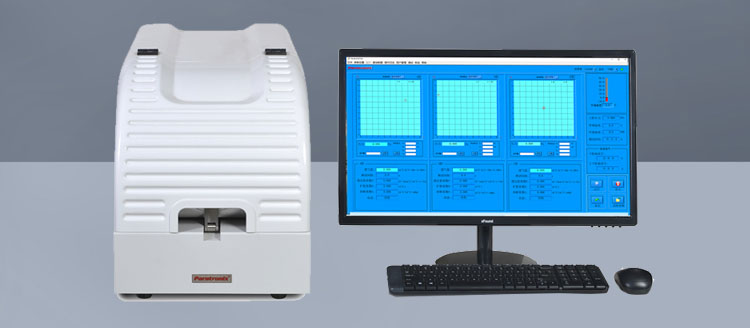
What An ASTM D1434 Oxygen Permeability Tester Measures
An ASTM D1434 oxygen permeability tester evaluates the passage of oxygen through a flat film or sheet under a controlled pressure difference. The standard describes gas transmission testing of plastic film and sheeting, with manometric and volumetric procedures. Oxygen is one possible test gas; the same general approach can also be used with other gases when the equipment and procedure are suitable.
The test separates two chambers with a specimen of known exposed area. Gas moves from the higher-pressure side toward the lower-pressure side, and the instrument tracks the resulting pressure or volume change. After appropriate corrections and calculations, the result describes transmission under the stated conditions. Buyers should distinguish the standard's method requirements from any additional features offered by a particular instrument.
Gas transmission rate describes the amount passing through a specified area over time. Permeability is commonly reported after normalizing transmission for specimen thickness and pressure difference, subject to the assumptions and units used. Thickness-normalized comparisons can be misleading for coated, laminated, or otherwise heterogeneous structures, because layers and interfaces may contribute differently to resistance and their behavior may not scale linearly with total thickness.
A result is meaningful only alongside its test gas, temperature, pressure conditions, specimen thickness, exposed area, conditioning, and reporting units. Moisture exposure and specimen history can also influence some materials. Consult the applicable edition of ASTM D1434 and the laboratory's customer or regulatory requirements before specifying a method, because test configurations and reporting expectations are not interchangeable by name alone.
How Differential Pressure Testing Works
In a manometric configuration, the specimen is sealed between chambers and the system is evacuated or otherwise prepared according to the selected procedure. Test gas is applied to the designated side, while a pressure sensor monitors the receiving side. The pressure increase is analyzed after the system reaches the required testing regime, with corrections for background leakage and other relevant effects.
In a volumetric configuration, permeating gas is determined from a measured volume change under the method's specified conditions. The practical choice depends on the expected transmission range, specimen characteristics, available gas supply, and the laboratory's reporting obligations. A buyer should request the instrument's actual operating ranges and the applicable procedure rather than assuming that every differential-pressure unit supports both approaches.
A pressure-based measurement is not inherently oxygen-selective. With oxygen as the test gas, the result is interpreted in light of the gas used and the system's control of leakage, residual gases, and other sources of error. Oxygen-specific sensor methods, including procedures covered by ASTM D3985, use a different measurement principle; results should not be treated as automatically interchangeable without an established comparison.
For low-permeability films, small leaks and sensor drift can be comparable to the gas flow being measured. Stable temperature, clean seals, suitable vacuum performance, and sufficient time to reach the specified measurement conditions matter as much as nominal sensor resolution. Multilayer specimens may require longer equilibration, and the exposed face should be recorded when layer orientation could affect the result.
Applications And Standards For Buyers
Film producers, converters, packaging developers, independent laboratories, and quality teams use gas permeability data to compare materials and investigate variation. Typical specimens include monolayer plastics, multilayer packaging films, and selected sheets or coated structures that fit the test cell. An ASTM D1434 oxygen permeability tester can support material screening and process monitoring when its range and test conditions match the application.
For food, pharmaceutical, or medical packaging, material permeability is only one input to package performance. Seals, closures, defects, headspace, storage conditions, and product sensitivity can affect the final outcome. A flat-film result does not establish the integrity or shelf life of a finished package. Use appropriate package-level tests and stability studies where the product specification or risk assessment calls for them.
Market access is determined by the product, destination, and applicable regulations, not by an ASTM test result alone. Before purchasing equipment, confirm the method edition and any customer-specific conditions with the receiving laboratory or purchaser. Where comparison with another method is required, agree on specimen preparation, conditioning, units, acceptance criteria, and a suitable correlation study before using either result for release decisions.
Paratronix lists related testing equipment including water vapor permeability testers, air permeability testers, leak and seal strength testers, and non-destructive micro-leakage testers. These categories can support a broader packaging evaluation alongside gas transmission testing. Confirm directly whether paratronix offers an instrument configured for oxygen testing under the required ASTM D1434 procedure; no specific compatible model or performance claim is assumed here.
How To Select An Instrument
Start with representative materials and the lowest and highest transmission rates the laboratory expects to measure. Ask suppliers for a stated measurement range at the relevant temperature, pressure, specimen area, and gas. Check whether the range applies to oxygen and to your film thicknesses, and request supporting verification information. A specification without its test conditions cannot reliably establish fitness for a particular barrier application.
Assess temperature control, pressure measurement, vacuum capability, chamber sealing, and the means of checking background leakage. If humidity is important to the material or contract, establish whether the system can control or document it under the intended procedure. Also check specimen dimensions, clamping method, compatibility with stiff or delicate films, and whether the available test area suits the samples you receive.
Throughput depends on conditioning, setup, leak checks, stabilization, measurement, and reporting, not simply the number of test cells. Ask whether cells operate independently, what happens when a specimen fails, and how results are reviewed and exported. For multilayer materials, include realistic equilibration time in the capacity calculation. A supplier demonstration using representative samples can expose constraints that a brochure may not show.
Before issuing a purchase order, document the required standard edition, gas, measurement range, units, specimen types, reporting format, utilities, installation support, and calibration arrangements. Request a written statement of applicable method compliance and any deviations. Compare warranty terms, spare parts, training, software access, and service response. Where possible, agree on acceptance tests and responsibilities for installation before delivery.
Test Workflow And Quality Control
A practical workflow begins with a sampling plan that identifies the lot, specimen location, orientation, and number of replicates. Condition samples as required by the governing method or customer agreement. Inspect them for creases, pinholes, contamination, and handling damage, then measure thickness using an appropriate procedure. Keep specimen identification linked to the material, instrument settings, operator, and test report.
Clean the cell and inspect seals before mounting the specimen without wrinkles or excessive distortion. Follow the instrument instructions and the selected ASTM procedure for evacuation, gas introduction, pressure settings, and leak verification. Use oxygen-compatible components and follow site safety rules for gas cylinders and oxygen service. Record any departure from the agreed procedure rather than silently treating the result as equivalent.
Monitor the measurement until the method's applicable criteria are met, then calculate and report results with units and test conditions. Investigate unexpected values before accepting them: check for leakage, incorrect exposed area, thickness errors, temperature instability, or specimens that have not reached the required regime. Replicates and suitable control materials can help identify variation, but controls do not replace instrument calibration.
Set calibration and maintenance intervals from the manufacturer's instructions, laboratory quality system, usage, and observed stability. Maintain traceable calibration records where required, and document seal replacement, leak checks, software changes, and service work. Trend control results over time and investigate shifts. For accredited reporting, confirm that the laboratory's scope covers the relevant method and configuration rather than assuming equipment purchase confers accreditation.
Ownership Costs And Future Trends
The purchase price is only part of total ownership cost. Budget for installation, gas supply and regulators, vacuum equipment where required, utilities, operator training, calibration, seals, reference or control materials, software support, and periodic service. Include the space and environmental conditions needed for stable testing. Ask which accessories and recurring charges are included in the quotation and which must be sourced separately.
Estimate labor and capacity using actual sample volumes and realistic turnaround times. In-house testing may reduce external laboratory fees and support faster development decisions, but utilization, maintenance, and quality-system costs affect the outcome. Compare annual internal costs with external testing, freight, and the value of shorter decision cycles. Include instrument downtime and confirm that staff can maintain the required competence and records.
Demand for recyclable and redesigned packaging is increasing the need to compare new film structures under clearly defined conditions. Laboratories may also seek better data traceability, automated reporting, and more efficient use of test cells. These developments do not remove the need for method validation: new materials, coatings, and interfaces can change equilibration behavior and make historical comparisons less straightforward.
When discussing a project with paratronix, provide the material structure, anticipated oxygen transmission range, sample dimensions, required method edition, throughput, and reporting needs. Ask for a configuration and quotation that identify the supported test method and any limitations, as well as relevant complementary leak or water vapor equipment. Verify technical suitability and commercial terms against your own procurement and laboratory requirements before committing.
 What Does ASTM D1434 Measure in Oxygen Barrier Film Testing?Discover what an ASTM D1434 oxygen permeability tester measures, how test conditions affect results, and what to check when comparing barrier films.
 Choosing an ASTM D1434 Oxygen Permeability Tester for Plastic FilmsChoose an ASTM D1434 oxygen permeability tester with confidence. Compare methods, measurement ranges, sealing, and calibration for reliable film testing.
 Testing Oxygen Permeability of Multilayer Packaging Films with ASTM D1434Discover how an ASTM D1434 oxygen permeability tester helps you evaluate multilayer film barriers, improve test reliability, and make confident quality decisions.
 Why ASTM D1434 Oxygen Permeability Results Vary Between Test RunsASTM D1434 oxygen permeability tester results vary? Discover how leaks, specimen preparation, and test conditions affect readings—and how to troubleshoot them.
Search by Keywords