




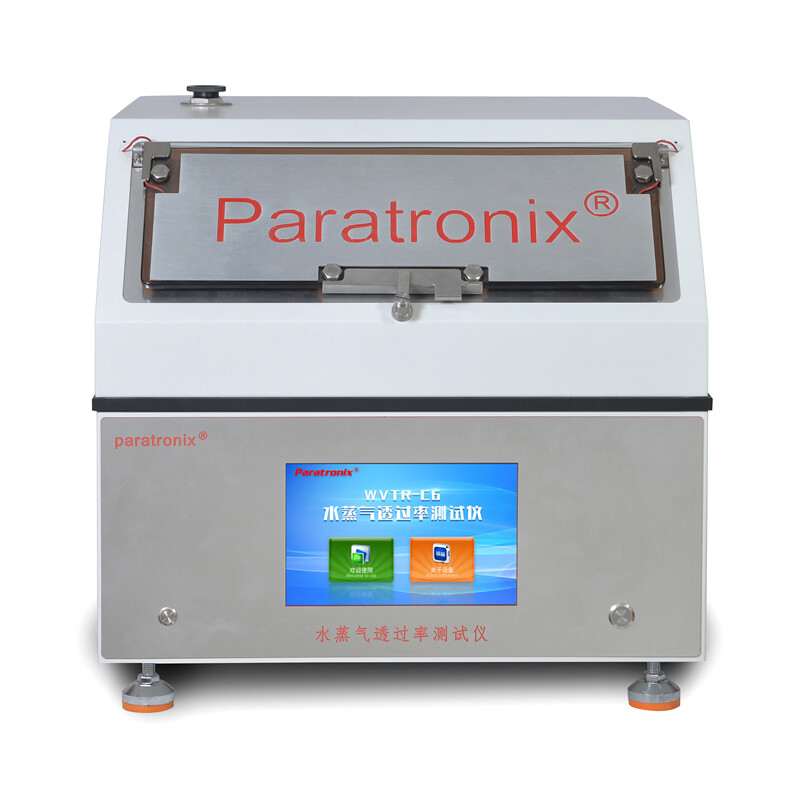
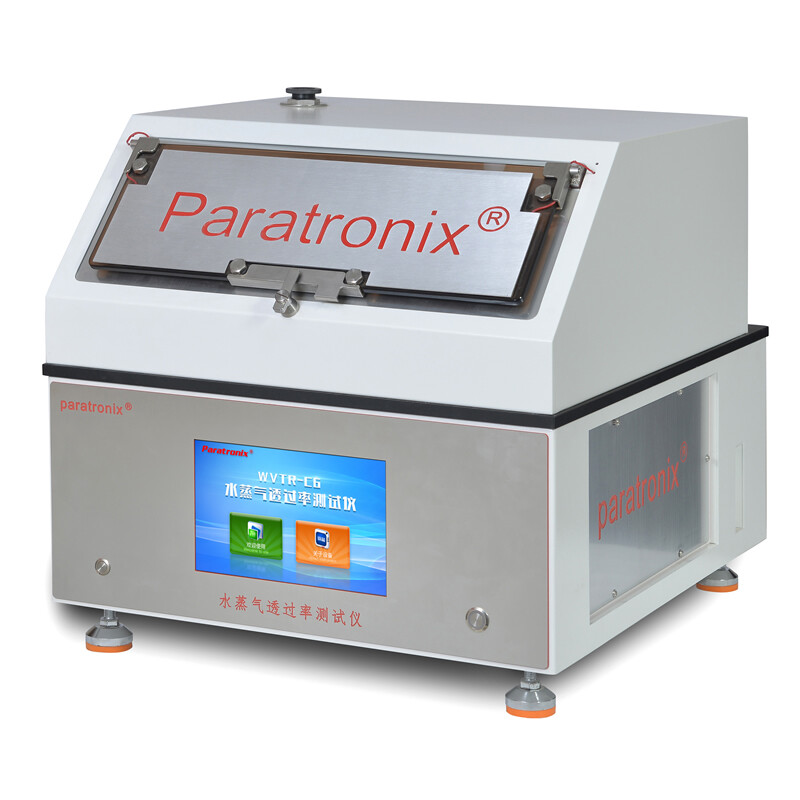
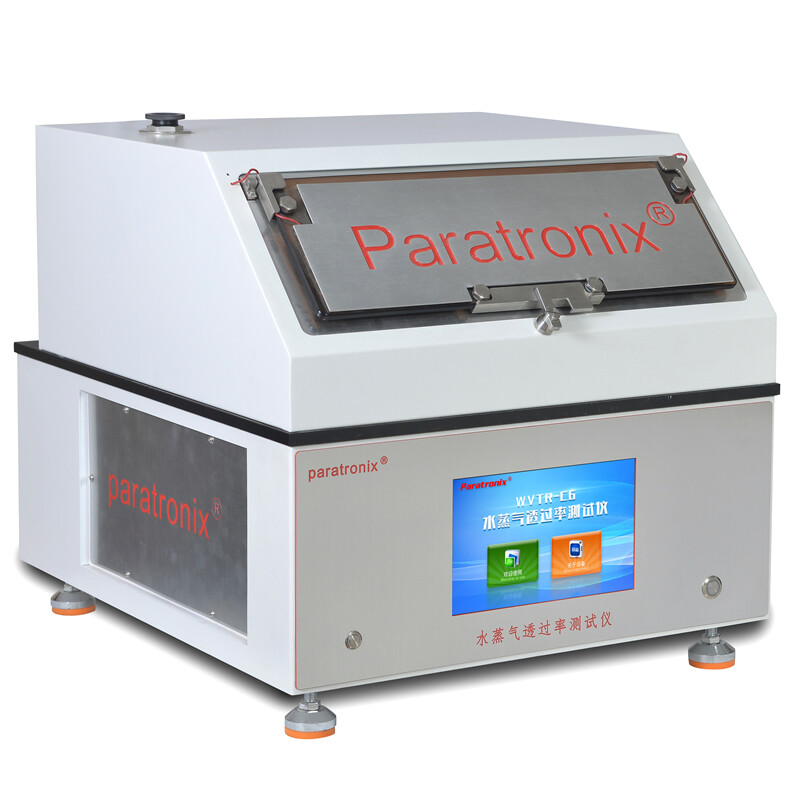
What Is An ASTM E96 Water Vapor Transmission Rate Tester?
An ASTM E96 water vapor transmission rate tester is equipment used to evaluate how quickly water vapor passes through a material under controlled conditions. ASTM E96/E96M describes gravimetric, or mass change, procedures for materials that allow water vapor to pass through them. Common specimens include films, sheets, coatings, paper, textiles, and building materials. The applicable edition, specimen preparation, test conditions, and reporting requirements should be confirmed before a laboratory establishes its procedure or purchases equipment.
Water vapor transmission rate, or WVTR, is the mass of water vapor transmitted per unit area and time, commonly reported in g/m²/day. A lower value under the same conditions generally indicates greater resistance to vapor transfer. Results are meaningful only when the test environment and specimen details are known: temperature, relative humidity, material thickness, and exposure conditions can all influence the measured rate. Comparing numbers without those details can lead to a poor material decision.
The ASTM E96/E96M cup method is one approach within a wider field of moisture barrier testing. Other methods use sensors to measure vapor passing through a specimen and may be governed by different standards. Their results are not automatically interchangeable with gravimetric results. Buyers should identify whether their customer, product specification, or regulatory framework calls for a particular standard and procedure before treating any instrument as suitable for acceptance testing.
How The Gravimetric Test Works
A specimen is sealed over the opening of a test dish containing either a desiccant or water. The dish is placed in a controlled environment, creating a water vapor pressure difference across the specimen. Vapor moves through the exposed test area, and the dish assembly is weighed at intervals. Once a suitable steady rate of mass change is established, the rate and exposed area are used to calculate WVTR according to the applicable procedure.
In the desiccant procedure, the material inside the dish absorbs water vapor, so the assembly typically gains mass. In the water procedure, water vapor generally leaves the dish and the assembly loses mass. The selected procedure, dish orientation, and exposure conditions must follow the applicable standard and product specification. A test report should identify them clearly because differences in moisture exposure can affect material behavior and the resulting value.
Good measurements depend on more than a balance reading. Leaks around the specimen, unsuitable sealing materials, unstable temperature or humidity, and excessive handling can distort the mass change. The laboratory should verify the exposed area, select a balance appropriate for the expected change, and monitor the mass trend over time. Permeance accounts for the vapor pressure difference, while permeability also incorporates thickness under appropriate assumptions; these quantities should not be reported as though they were identical to WVTR.
Main Test Methods And Equipment Types
A manual cup test arrangement typically combines test dishes, a controlled chamber, and a separate analytical balance. It can be practical for laboratories with limited throughput or varied specimen sizes, provided the components meet the selected method's requirements. Staff must schedule weighings, document environmental conditions, and handle each assembly consistently. The chamber, balance, dishes, and seal should be assessed as a measurement system rather than selected independently on price alone.
Automated or integrated gravimetric systems may reduce repetitive handling and simplify data collection when many specimens require scheduled measurements. Their value depends on the number of available test positions, weighing arrangement, environmental control, and traceability of recorded data. Ask how the system manages weighing without compromising the specified exposure conditions and how it calculates the steady mass change rate. Automation does not remove the need to verify seals, calibrate instruments, and review results.
Sensor based water vapor permeability testers form another equipment category. Depending on their design and governing method, they may suit particular films, barrier levels, or throughput requirements, but their use should not be described as ASTM E96/E96M compliance without evidence. paratronix offers water vapor permeability testing equipment within a broader portfolio of material and packaging test instruments. Buyers should request the proposed instrument's method, operating range, and configuration before determining whether it matches their specification.
Applications And Standards For Buyers
Packaging material suppliers use WVTR measurements to compare films, laminates, and other structures during development and incoming quality checks. Food, pharmaceutical, and medical packaging teams may use barrier data when assessing moisture sensitivity and material consistency. A material result alone does not establish the integrity of a finished package: seals, closures, and handling damage also matter. Where relevant, paratronix's leak and seal strength testers and non-destructive micro-leakage testers can support complementary package evaluations.
Building product manufacturers and laboratories may test membranes, insulation facings, coatings, or sheet materials to understand moisture movement through an assembly. Textile and technical material developers can also use vapor transmission data when comparing material constructions. In each application, define the intended orientation, exposure, and specimen conditioning before comparing suppliers. A result obtained under one set of conditions should not be assumed to predict performance under every climate or installation scenario.
For global supply, begin with the customer's purchasing specification and the applicable market or product requirements. ASTM E96/E96M and ISO 12572 both address water vapor transmission properties using gravimetric principles, but their procedures and conditions must be checked separately. A standard reference in a quotation is not proof that every configuration or laboratory process conforms. Request the applicable edition, test conditions, reporting format, and evidence supporting the claimed method before accepting a result.
How To Select And Qualify A Tester
Start selection with the materials and the decisions the data must support. Document expected barrier performance, specimen thickness and size, required test conditions, sample count, and the relevant standard edition. Then ask whether the chamber's temperature and humidity capability, balance resolution, dish geometry, sealing arrangement, and data collection method are suitable for those requirements. For low transmission materials, confirm that expected mass changes can be distinguished from measurement uncertainty within a practical test duration.
Before purchase, request a written configuration and a demonstration or sample evaluation using representative materials where feasible. Review how specimens are mounted, how many assemblies can be tested simultaneously, how often they must be weighed, and how results are calculated and exported. Agree on acceptance criteria covering environmental stability, weighing performance, documentation, and operator training. If a supplier claims conformity to a named method, ask which components and procedures support that claim.
After installation, establish documented checks for chamber sensors, balance calibration, dish condition, seals, and environmental records. Follow the equipment manufacturer's recommendations and the laboratory's quality system when setting intervals; increase checks if workload or observed drift justifies it. Use replicate specimens and investigate unusual mass trends or disagreement between runs. Retain raw weighing data, specimen identification, conditioning details, calculations, and deviations so that purchasing and quality teams can interpret results later.
Total Cost Future Trends And Next Steps
The total cost of an ASTM E96 water vapor transmission rate tester includes more than the initial quotation. Budget for the chamber, balance, dishes, sealing supplies, desiccant where used, installation, calibration, maintenance, and operator time. Laboratory space, environmental control, software, spare parts, and data retention can also affect cost. Compare quotations on equivalent test conditions and capacity, and check which accessories, training, and service support are included in each offer.
To estimate return on investment, compare the annual cost of in-house testing with external laboratory fees, shipping, staff time, and the operational value of faster decisions. Consider the number of specimens, realistic test duration, and the effect of repeat tests on capacity. Savings should be based on actual workload rather than advertised throughput. Outsourcing may remain appropriate for occasional tests, specialist methods, independent verification, or periods when internal capacity is fully committed.
Equipment development is moving toward more automated data capture, clearer traceability, and workflows that connect material testing with broader packaging quality checks. Demand for new material structures also makes method selection and comparable reporting increasingly relevant. To discuss a suitable configuration, provide paratronix with your material type, target standard and edition, expected test range, conditions, and sample volume. Its listed business license carries Unified Social Credit Code 91370105689842696E; specific equipment capabilities and service terms should be confirmed in the quotation.
 ASTM F1249 vs. E96: Matching Water Vapor Permeability Testers to MethodsChoose the right Water Vapor Permeability Tester with our ASTM F1249 vs. E96 guide. Compare methods, barrier ranges, and test conditions to make a confident equipment investment.
 Water Vapor Permeability Tester Selection for High-Barrier Packaging FilmsChoose the right Water Vapor Permeability Tester for high-barrier films. Discover how to verify low WVTR accuracy, sealing, and throughput for confident purchasing decisions.
 Inside a Water Vapor Permeability Tester: Methods, Sensors, and Test DataWater Vapor Permeability Tester guide: explore gravimetric, infrared, and coulometric methods, sensor performance, calibration, and WVTR data insights for smarter packaging barrier decisions.
 Electrolytic Method Water Vapor Transmission Rate Tester: A Comprehensive Guide to Precision Barrier TestingIn today's highly competitive packaging and materials industries, ensuring the integrity of barrier films and flexible substrates is paramount.
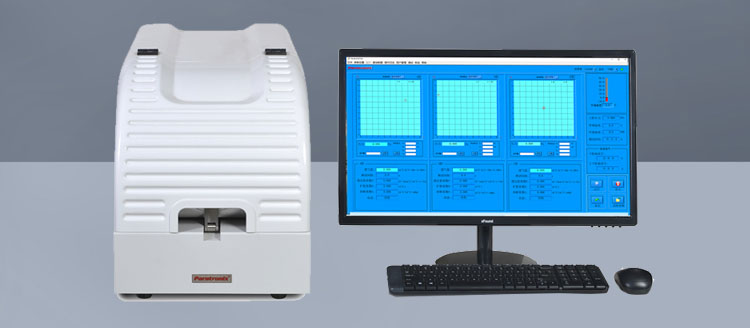
 WVTR-E3 Water Vapor Transmission Rate TesterWVTR-E3 Water Vapor Transmission Rate Tester is designed and manufactured based on the infrared sensor method and is applicable to test the water vapor transmission rate of medium and high barrier materials such as plastic films, composite films, sheets, papers and other various materials.
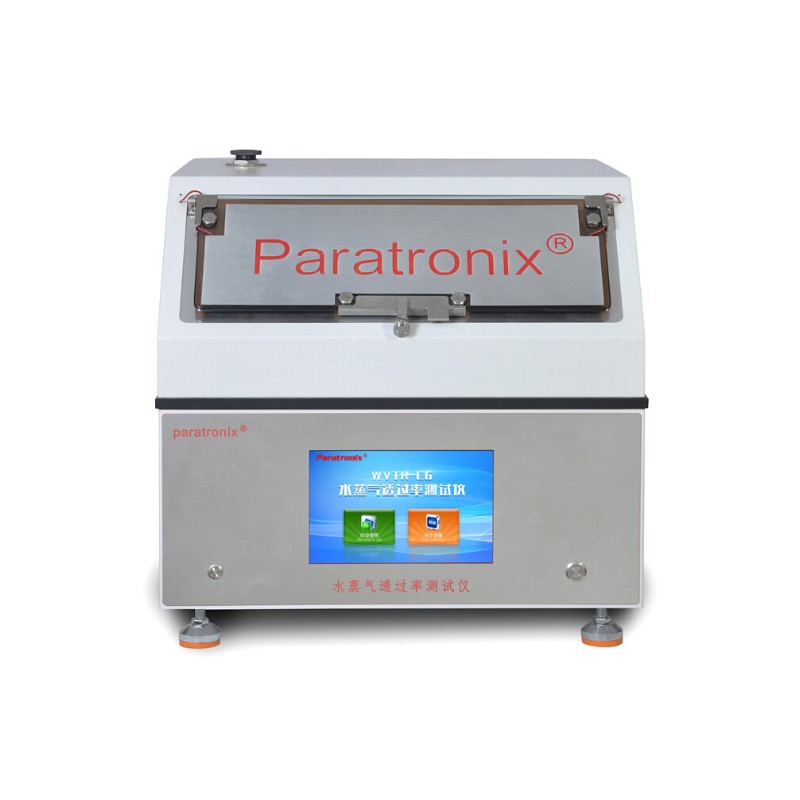
 WVTR-C6 Water Vapor Transmission Rate TesterWVTR-C6 Water Vapor Transmission Rate Tester is designed and manufactured based on the gravimetric method and can be used to test the water vapor transmission rate of plastic films, composite films, sheets, and other materials used in the packaging, medical, and construction industries.
 WVTR-AE3 Water Vapor Transmission Rate TesterWVTR-AE3 Water Vapor Transmission Rate Tester is designed and manufactured based on the electrolytic sensor method and is applicable to test the water vapor transmission rate of medium and high barrier materials such as plastic films, composite films, sheets, papers and other various materials.
Search by Keywords