




Recent Posts
 How to select a friction peel tester for flexible packaging filmsOct 09, 2026
 Key Specifications to Compare When Selecting a Lipstick Break Force TesterOct 08, 2026
 What Does a Lipstick Break Force Tester Measure in Quality Control?Oct 08, 2026
 Validation Records and Test Standards for Artificial Skin Puncture TestingSep 24, 2026
 Force Tester or Universal Testing Machine for Artificial Skin Puncture Tests?Sep 24, 2026

Introduction
In today's highly competitive packaging and materials industries, ensuring the integrity of barrier films and flexible substrates is paramount. From pharmaceutical blister packs to food packaging and electronic component encapsulation, the ability of a material to resist water vapor permeation directly impacts product shelf life, safety, and overall quality. The Electrolytic Method Water Vapor Transmission Rate Tester has emerged as the gold standard for quantifying this critical property, offering unparalleled accuracy, reproducibility, and compliance with international testing standards.
This article provides an in-depth exploration of the Electrolytic Method Water Vapor Transmission Rate Tester — its working principle, technical specifications, applicable standards, operational best practices, and the industries that rely on it for quality assurance.
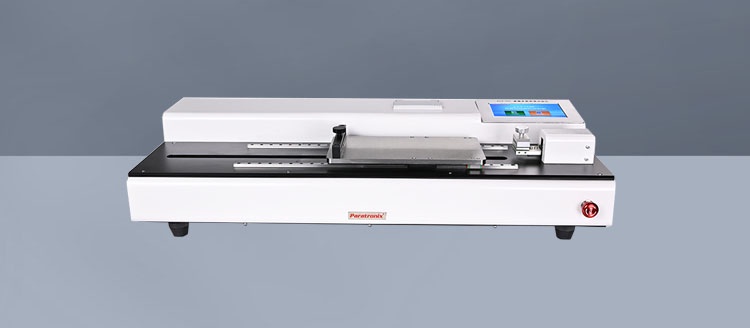
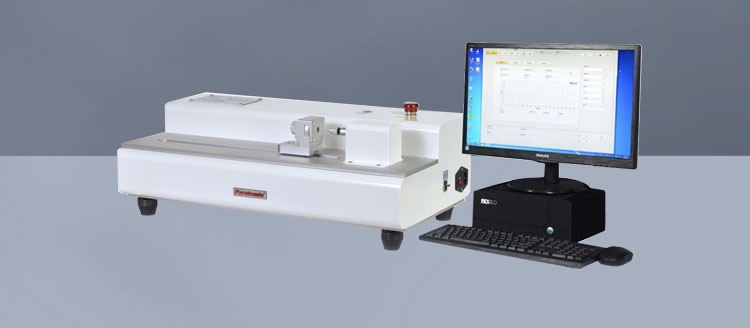
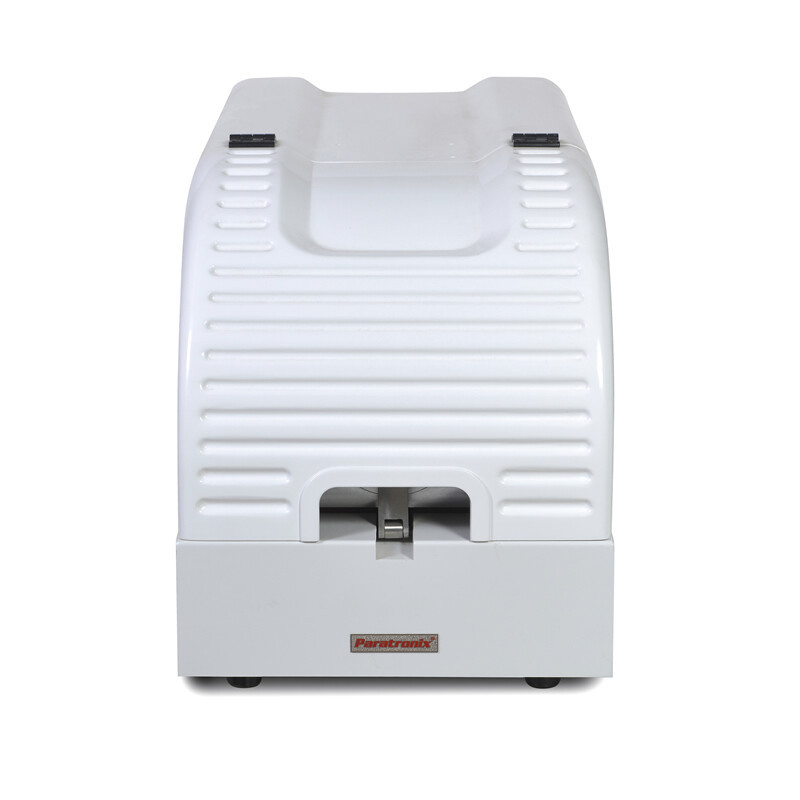
Testing equipment:WVTR-AE3 Water Vapor Permeability Tester (Electrolytic method)
Working Principle
The Electrolytic Method Water Vapor Transmission Rate Tester operates on the fundamental principle of differential-pressure permeation combined with coulometric detection. The testing process can be broken down into the following key stages:
1. Specimen Mounting
A flat specimen of the test material is securely clamped between two chambers, forming an impermeable seal around the exposed test area. The upper chamber is maintained at a precisely controlled relative humidity (typically 90 % RH), while the lower chamber is continuously purged with dry carrier gas (usually nitrogen with a dew point below −40 °C).
2. Vapor Diffusion
Driven by the concentration gradient across the specimen, water vapor molecules diffuse through the material from the humid side to the dry side. The rate of diffusion is governed by Fick's First Law and is characteristic of the material's barrier properties.
3. Electrolytic Detection
The water vapor that permeates into the dry carrier gas stream is carried to an electrolytic detection cell. Inside the cell, two helical platinum wire electrodes are coated with a thin layer of phosphorus pentoxide (P₂O₅), which acts as a hygroscopic desiccant. As water vapor is absorbed by the P₂O₅ layer, it is electrolytically decomposed into hydrogen and oxygen. The electrical current required for this electrolysis is directly proportional to the mass of water vapor passing through the cell per unit time — a relationship defined by Faraday's Law of Electrolysis.
Applicable International Standards
The Electrolytic Method Water Vapor Transmission Rate Tester is designed and calibrated in strict accordance with the following internationally recognized standards:
ASTM F1249 — Standard Test Method for Water Vapor Transmission Rate Through Plastic Film and Sheeting Using a Modulated Infrared Sensor (the electrolytic detection variant shares the same permeation-cell architecture and is widely accepted as an equivalent methodology)
ISO 15106-3 — Plastics — Film and sheeting — Determination of water vapour transmission rate — Part 3: Electrolytic detection sensor method
GB/T 26253 — Plastics — Film and sheeting — Determination of water vapour transmission rate — Infrared detection sensor method (the electrolytic method is recognized as an equivalent alternative)
GB/T 1037 — Test method for water vapor transmission of plastic film and sheeting
TAPPI T557 — Water vapor transmission rate through plastic film and sheeting (electrolytic detection method)
Compliance with these standards ensures that test results obtained from the Electrolytic Method Water Vapor Transmission Rate Tester are globally recognized, comparable, and admissible for regulatory submissions, supplier qualification, and internal quality control.
Industries and Applications
The Electrolytic Method Water Vapor Transmission Rate Tester serves a broad spectrum of industries where moisture barrier performance is a critical quality attribute:
Pharmaceutical Packaging
Blister films, cold-form aluminum foils, PVC/PVDC laminates, and desiccant sachet materials must meet stringent WVTR requirements to protect moisture-sensitive drugs (e.g., antibiotics, biologics, and effervescent tablets) from degradation. The Electrolytic Method Water Vapor Transmission Rate Tester is an essential tool for qualifying packaging materials under cGMP and FDA guidelines.
Food and Beverage Packaging
Flexible packaging for snacks, coffee, pet food, and ready-to-eat meals relies on barrier films to prevent moisture ingress or egress, preserving freshness, texture, and shelf life. The instrument helps packaging engineers optimize film structures and coating weights.
Electronic and Semiconductor Materials
Moisture-sensitive electronic components, flexible printed circuit boards (FPCBs), and OLED display substrates require ultra-low WVTR encapsulation materials. The high-sensitivity range of the Electrolytic Method Water Vapor Transmission Rate Tester is indispensable for evaluating these advanced barrier coatings.
Building and Construction Materials
Vapor retarders, house wraps, and insulation membranes are tested to ensure they control moisture diffusion within building envelopes, preventing mold growth and structural degradation.
Conclusion
The Electrolytic Method Water Vapor Transmission Rate Tester represents the pinnacle of precision barrier testing technology. Its coulometric detection principle, wide dynamic range, exceptional sensitivity, and compliance with international standards make it an indispensable instrument for any laboratory or quality control facility involved in the development, production, or qualification of barrier materials.
Whether you are evaluating a new multi-layer film for pharmaceutical packaging, qualifying a supplier's food packaging substrate, or developing next-generation encapsulation materials for flexible electronics, the Electrolytic Method Water Vapor Transmission Rate Tester delivers the accuracy, reliability, and throughput required to make informed, data-driven decisions.
By following the operational best practices and maintenance guidelines outlined in this article, users can ensure that their Electrolytic Method Water Vapor Transmission Rate Tester continues to deliver consistent, traceable, and defensible results for years to come.
Leave A Reply
Search by Keywords