




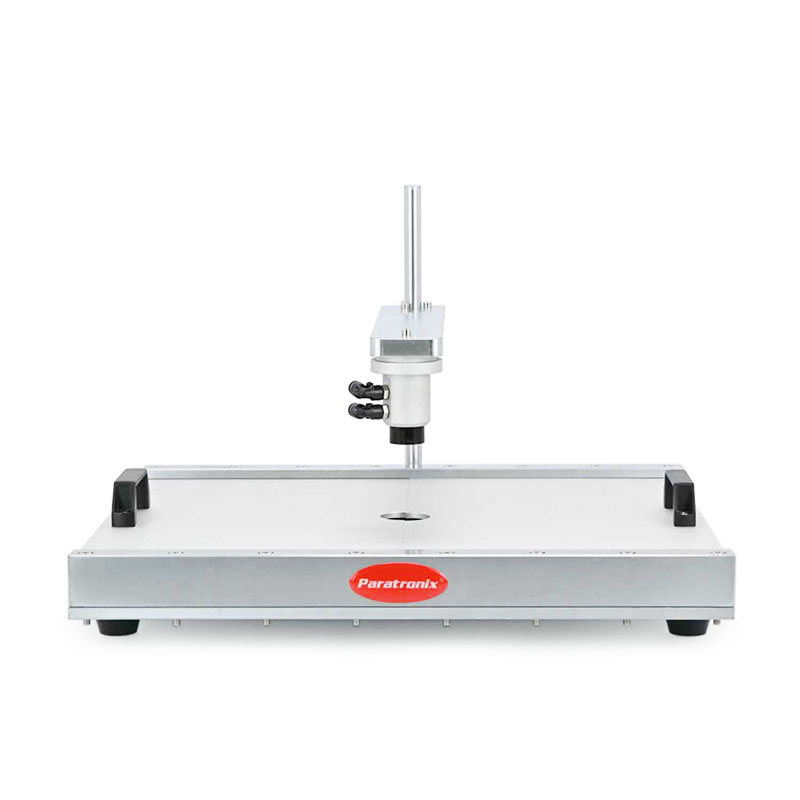
What Is A Seal Strength Tester?
A Seal Strength Tester measures the force associated with separating a seal between flexible materials. In a typical peel test, a prepared strip is held in two grips and pulled apart at a controlled rate while a load cell records force. The resulting data helps manufacturers assess whether a package seal is strong enough for handling and, where applicable, can be opened as intended.
Seal strength is a mechanical property, while package integrity concerns the ability of the complete package to maintain its protective barrier. A strong seal can still contain a channel or puncture, and a package that passes a leak test does not necessarily have suitable peel strength. For critical packaging, these questions often require different test methods and a risk-based inspection plan.
Users include packaging engineers, quality laboratories, medical device manufacturers, food processors, material suppliers, and contract packers. They may test during material qualification, process development, routine production, or investigations into seal failures. Results become more useful when the laboratory defines the specimen, test method, acceptance criteria, and sampling plan before comparing suppliers or production batches.
How Peel Testing Measures Seal Strength
A technician cuts a specimen across the sealed area, typically producing a strip with unsealed material on both sides of the seal. Each free end is placed in a grip so that the sealed region separates as the grips move apart. The instrument records force against grip movement or time. Proper alignment and secure gripping help limit slipping and unintended stresses.
Depending on the applicable procedure and test objective, the laboratory may report maximum force, average force, or both, together with specimen width and the observed failure mode. Seal strength is commonly expressed as force per unit width, such as newtons per millimeter. Dividing force by width supports comparison between specimens, but it does not remove differences caused by materials or test setup.
The force curve can reveal more than a single number. A relatively steady peel may indicate consistent separation, whereas abrupt peaks or drops can point to changes in the seal or failure behavior. Interpretation depends on whether the specimen peels at the interface, tears, stretches, or fails elsewhere. Record these observations because similar numerical results can arise from different failure mechanisms.
ASTM F88 And Practical Test Setup
ASTM F88/F88M describes a method for determining the seal strength of flexible barrier materials. It covers preparation and testing of specimens cut from seals, including seals in finished packages. The standard provides alternative techniques for supporting the specimen during separation. Buyers and laboratories should use the applicable edition and specify the technique, test conditions, and reporting requirements in their procedures.
Before testing, confirm specimen dimensions, conditioning, grip separation, separation rate, and the selected support technique against the procedure. Cut specimens consistently and avoid damaging the seal. Choose grips that hold the materials without slipping or introducing premature failure. Equipment should have an appropriate force range and be calibrated or verified according to the laboratory's quality system and applicable requirements.
ASTM F88/F88M is a test method, not a universal pass-or-fail specification. Acceptance limits must be established for the package design, materials, intended use, and relevant customer or regulatory requirements. Record the material structure, sealing conditions, specimen location, test technique, force results, and failure observations. These details make comparisons more defensible when equipment, operators, or production conditions change.
Peel, Burst, And Leak Test Methods Compared
Peel testing measures the force needed to separate a prepared seal strip under specified conditions. It is useful for comparing sealing settings and assessing opening performance, but it examines only the sampled portion and destroys that specimen. An appropriately configured tensile or multipurpose Seal Strength Tester can support this work when its grips, force measurement, and control meet the chosen procedure.
Burst testing pressurizes a package until it fails and records the pressure at failure. ASTM F1140/F1140M covers internal pressurization failure resistance of unrestrained packages, while ASTM F2054/F2054M addresses burst testing of flexible package seals using internal air pressurization within restraining plates. Burst pressure is not interchangeable with peel force because package geometry, restraint, materials, and failure location affect the result.
Leak tests address a different question: whether a package permits detectable leakage under the selected conditions. Vacuum decay can provide a non-destructive approach for suitable package and instrument configurations; bubble emission under ASTM F2096 is a destructive gross-leak method. Select the method according to package design, expected defects, sensitivity needs, and validation evidence. A pass does not establish seal strength or prove the absence of every possible defect.
Applications, Standards, And Equipment Choices
Medical device packaging teams commonly evaluate seal performance alongside other evidence supporting a sterile barrier system. ISO 11607 addresses requirements for packaging for terminally sterilized medical devices, including package design and process validation considerations. The applicable regulatory pathway and test program depend on the product and market. ASTM F88/F88M can form part of that program, but a single test result does not establish compliance.
Food and consumer goods manufacturers may use peel measurements to balance package protection with practical opening. Industrial packaging suppliers may compare films, coatings, or sealing parameters before approving a material change. In each setting, sample finished seals from meaningful locations and include normal process variation. Establish separate criteria when different materials or opening mechanisms require different performance.
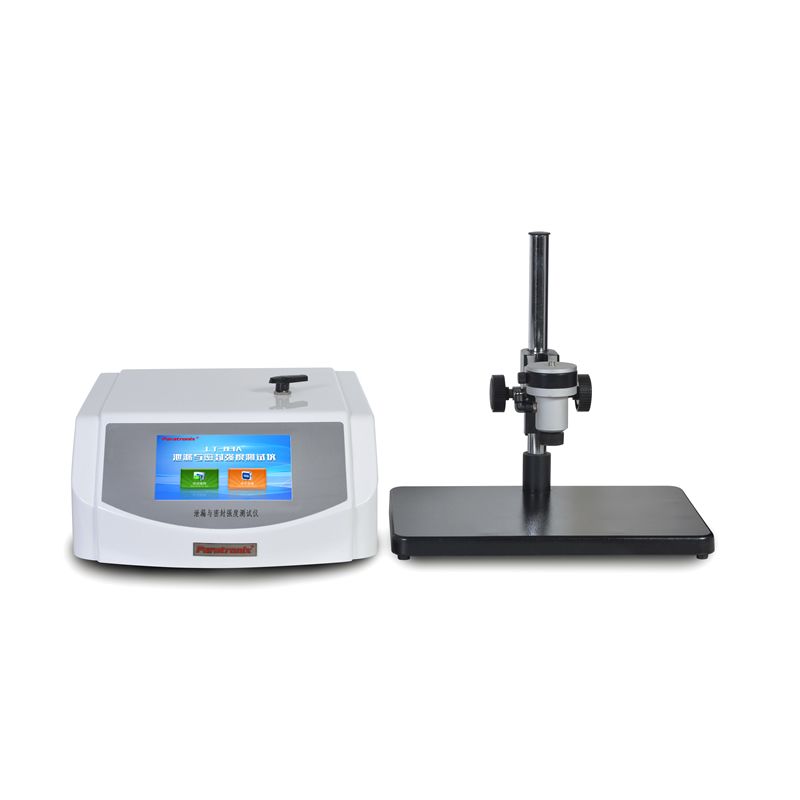
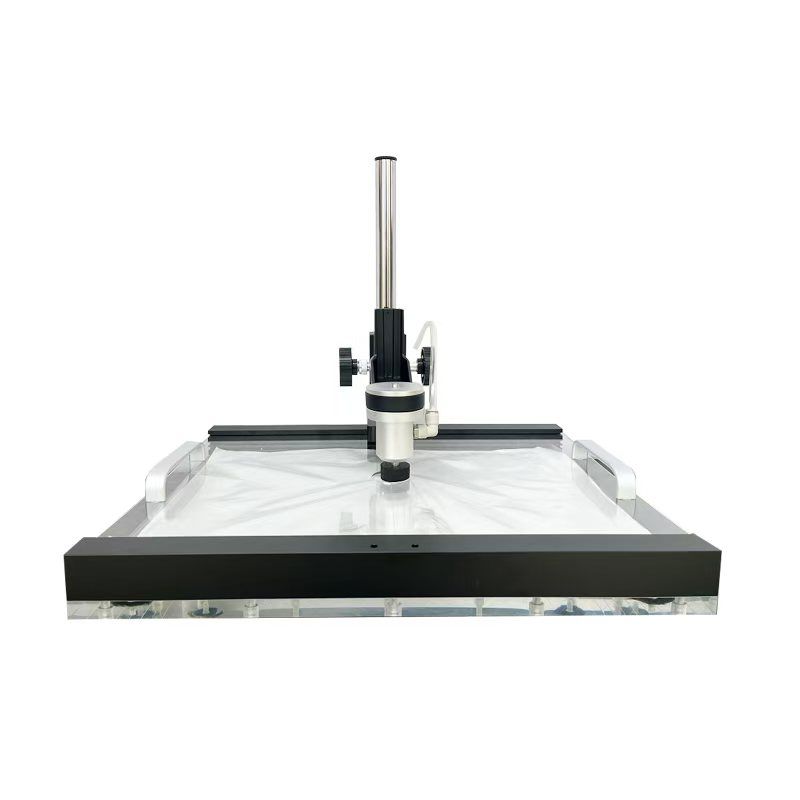
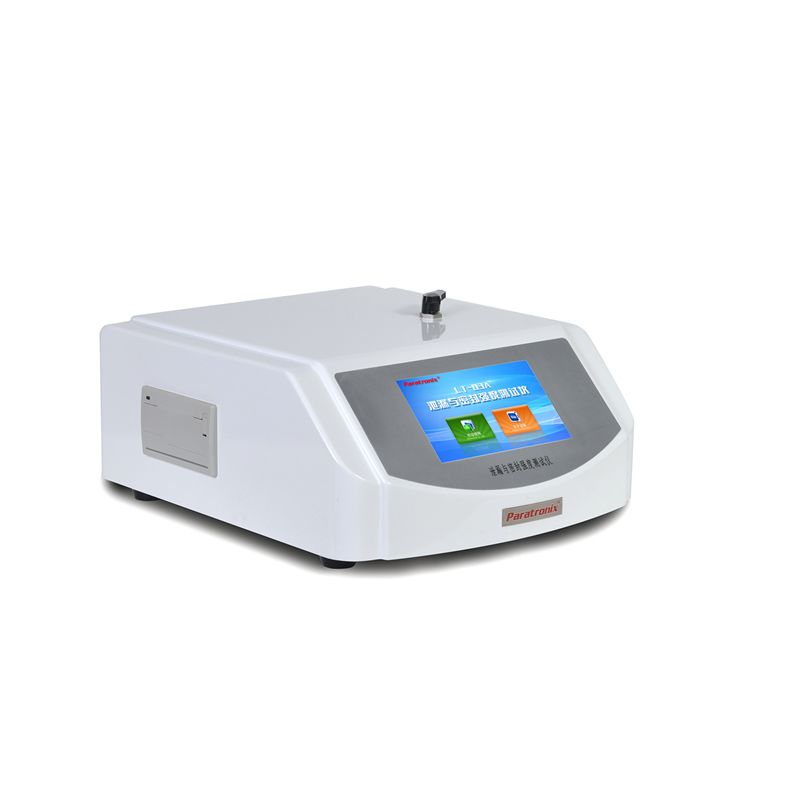
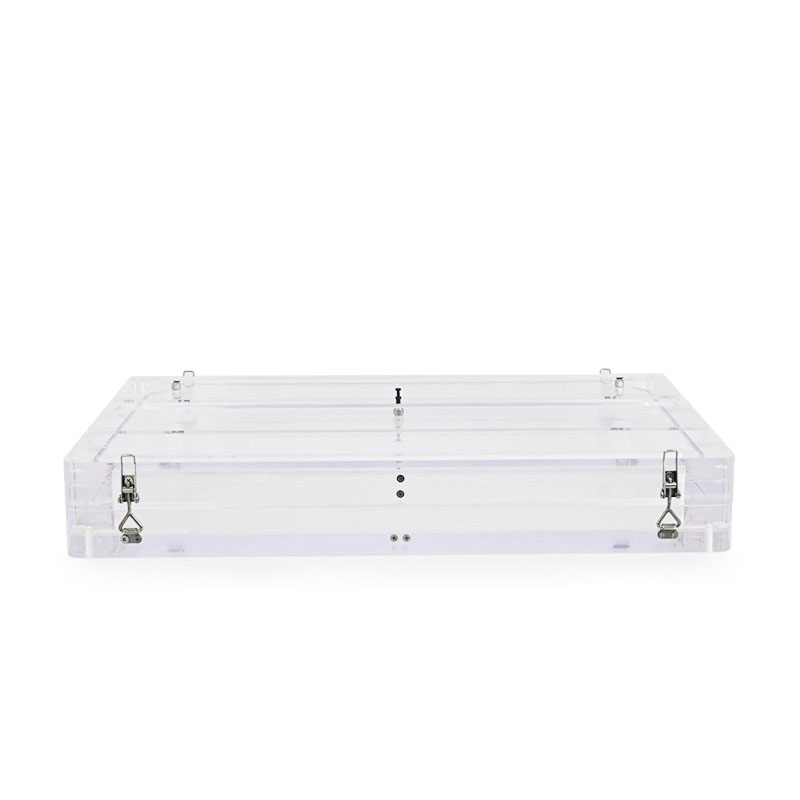
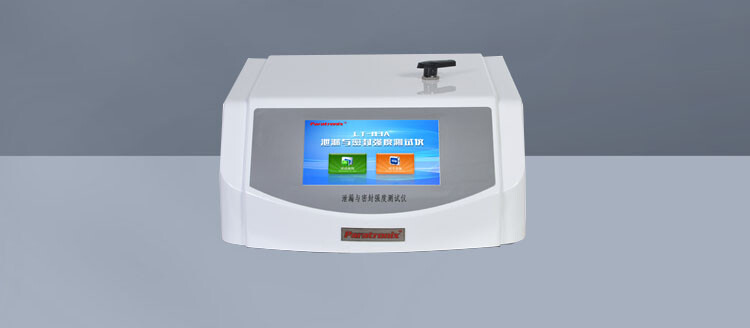
paratronix offers testing equipment across leak and seal strength testing, medical packaging physical performance, and related barrier measurements. The LT-03A Leak and Seal Strength tester is a product to discuss when evaluating package testing equipment. Ask paratronix to confirm its supported methods, fixtures, measurement ranges, and suitability for your package; do not assume that a leak and seal strength model performs ASTM F88 peel testing without verification.
How To Select And Implement A Tester
Start with the decision the test must support: seal process control, opening-force evaluation, package failure resistance, or leak detection. Provide suppliers with representative materials, package dimensions, expected force or pressure range, relevant standards, and required throughput. Ask for a written configuration covering fixtures, specimen support, software outputs, and consumables. A demonstration using your own samples can expose gripping or handling limitations before purchase.
For a peel tester, check force measurement capability across the expected working range, crosshead speed control, grip travel, specimen alignment, and compatibility with the selected ASTM F88/F88M technique. For pressure or leak equipment, examine package connections, test chamber capacity, pressure control, and method-specific sensitivity claims. Request documentation showing how performance is verified under conditions relevant to your products.
During installation, follow the supplier's site and utility requirements, document the configuration, and train operators on specimen preparation and safe operation. Establish calibration and verification intervals through your quality system, equipment instructions, and usage history. Confirm that repeat tests are sufficiently consistent for the intended decision, investigate unusual failure modes, and update procedures when materials, fixtures, or test methods change.
Ownership Cost And Future Testing Trends
Total ownership cost includes the instrument, application-specific grips or chambers, installation, training, calibration, maintenance, software, and replacement parts. Allow for operator time, specimen preparation, destructive samples, and production interruptions when testing requires packages to be removed from the line. Compare quotations on the same configuration and ask which services and accessories are included rather than comparing base prices alone.
Estimate potential return by comparing the proposed workflow with your current process: testing time per batch, investigation effort, outsourced laboratory charges, and the cost of delayed release are useful inputs. Avoid assuming that equipment will eliminate defects or reduce waste by a fixed percentage. Pilot testing and historical quality records can help determine whether the expected operational benefit justifies the investment.
Testing programs are increasingly shaped by data traceability, automation, and changing packaging materials, including structures designed for recycling. New materials can alter sealing windows and peel behavior, so existing acceptance limits may need review. Ask suppliers how results are exported, how methods are controlled, and how equipment can accommodate future samples. For a practical quotation, share your test standard, package specifications, target throughput, and reporting needs with paratronix.
 How Leak and Seal Strength Testers Use Vacuum Decay, Burst, and Peel MethodsLeak and Seal Strength tester guide: explore vacuum decay, burst, creep, and peel methods for reliable package integrity validation and quality control.
 Using Leak and Seal Strength Tests for Medical Pouches and Sterile Barrier SystemsLeak and Seal Strength tester solutions for medical pouches and sterile barrier systems. Improve package integrity, validate seals, and reduce contamination risks.
 Heat Seal Tester vs Hot Tack Tester: Which ASTM Standards Apply?Heat seal tester vs hot tack tester: compare ASTM F2029, F88/F88M, and F1921/F1921M to understand key differences and choose the right equipment for your packaging tests.
 Choosing a Seal Strength Tester: Force Range, Grips and Test SpeedChoose the right Seal Strength Tester with practical guidance on force range, grip selection and test speed for reliable, reproducible packaging results.
Search by Keywords