




What A WVTR Tester Measures
A WVTR tester for biodegradable films measures the rate at which water vapor passes through a film under specified conditions. Water vapor transmission rate, or WVTR, is commonly reported in grams per square meter per day. The result helps packaging developers assess whether a material can protect moisture-sensitive contents during storage and distribution. It describes water vapor passage through a specimen; it does not by itself establish whether the film is biodegradable, compostable, food safe, or suitable for a particular package.
Biodegradable films include materials based on polylactic acid, starch blends, cellulose, polyhydroxyalkanoates, and other formulations. Their barrier performance depends on formulation, thickness, processing, coatings, and exposure to humidity. Some materials absorb moisture and change properties as relative humidity rises, so a result obtained under one set of conditions may not predict performance under another. Comparisons are most useful when temperature, humidity, specimen preparation, and the measurement method are recorded consistently.
WVTR is a transmission rate through a specimen of a stated thickness, while permeability is a material property calculated using additional assumptions and the water vapor pressure difference. A thinner film can show a higher WVTR even when its underlying material is similar. Multilayer structures, coatings, and humidity-sensitive materials complicate simple thickness normalization. Buyers should therefore request the measured WVTR, actual specimen thickness, and test conditions rather than relying on a single unqualified barrier claim.
How The Measurement Works
The general principle is to expose opposite sides of a sealed specimen to different water vapor activities. Water vapor moves through the film from the side with higher vapor pressure toward the side with lower vapor pressure. The instrument or operator measures the amount transferred over time and divides the steady transfer rate by the exposed area. Temperature and relative humidity must be controlled or documented because they determine the driving force and can also alter the film itself.
Before measurement, the laboratory conditions the specimen as required by the selected method, checks its thickness, and mounts it without wrinkles or damage. Seals around the test area are essential: leakage at the edge can be mistaken for transmission through the material. The system then establishes the specified humidity conditions and monitors the transfer signal. A valid result depends on reaching the method's acceptance criteria, including steady behavior where required, rather than ending the test at an arbitrary time.
Moisture-sensitive biodegradable materials deserve particular attention during preparation. Handling can introduce folds, fingerprints, or local swelling, while prolonged conditioning at high humidity may change the specimen being evaluated. Record the film orientation when layers differ, the conditioning history, the number of specimens, and any visible changes. If results drift, investigate the seal, environmental stability, and specimen condition before treating the number as a reliable property of the film.
Main Test Methods And Standards
Gravimetric methods determine water vapor transfer from the mass change of a test assembly over time. ASTM E96/E96M describes water vapor transmission methods using desiccant or water in a dish, while ISO 2528 addresses the dish method for sheet materials. The method, humidity conditions, assembly, weighing schedule, and calculations must follow the applicable document. Dish testing can be useful for comparative work, but handling and weighing practices affect repeatability, especially when mass changes are small.
Sensor-based instruments measure transmitted moisture using a detector rather than repeated manual weighing. ASTM F1249 covers an infrared detector method for plastic film and sheeting, and ASTM F—including sensor-specific procedures—should be selected according to the material and instrument. ISO 15106 includes different instrumental methods for water vapor transmission of plastic film and sheeting. The relevant part, scope, specimen requirements, and current edition should be checked before specifying a purchase or issuing a test report.
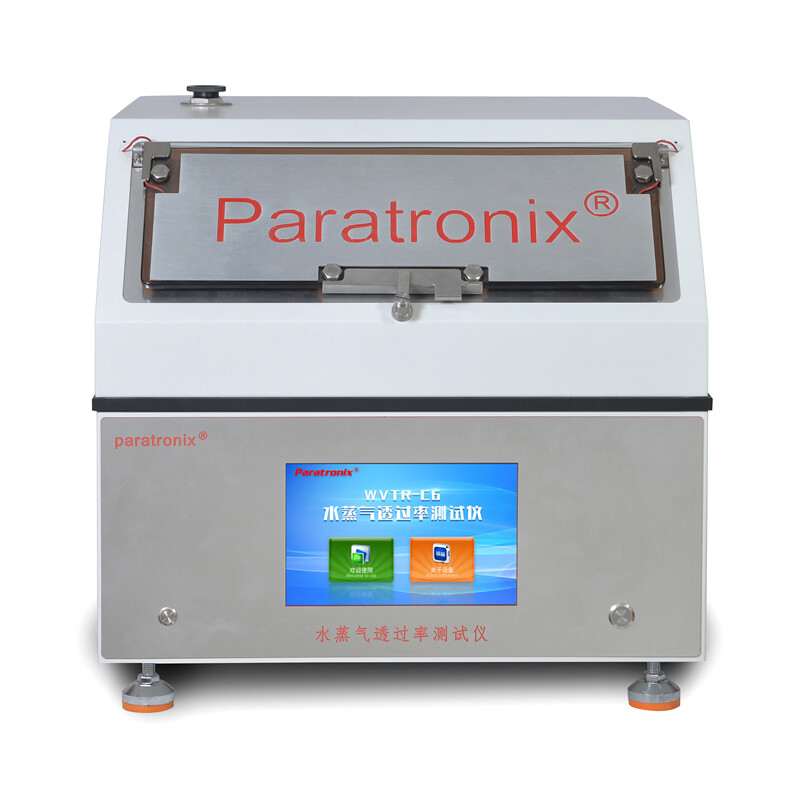
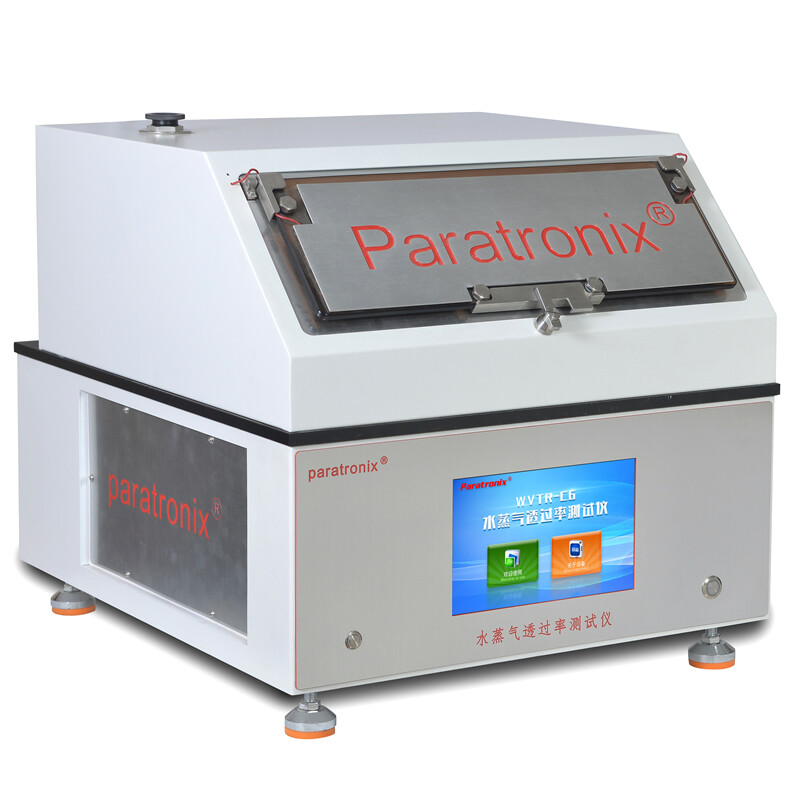
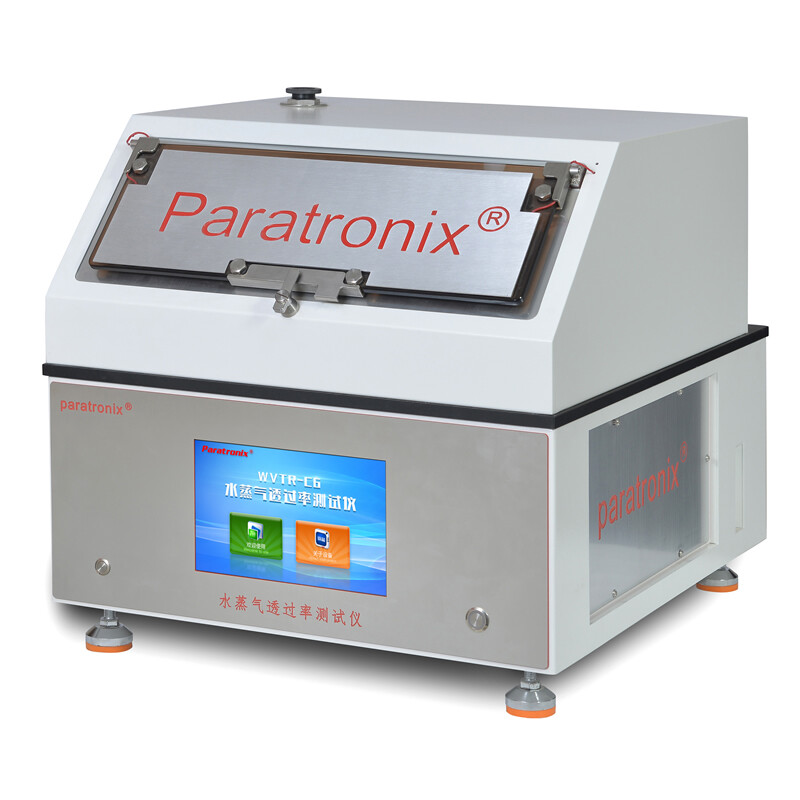
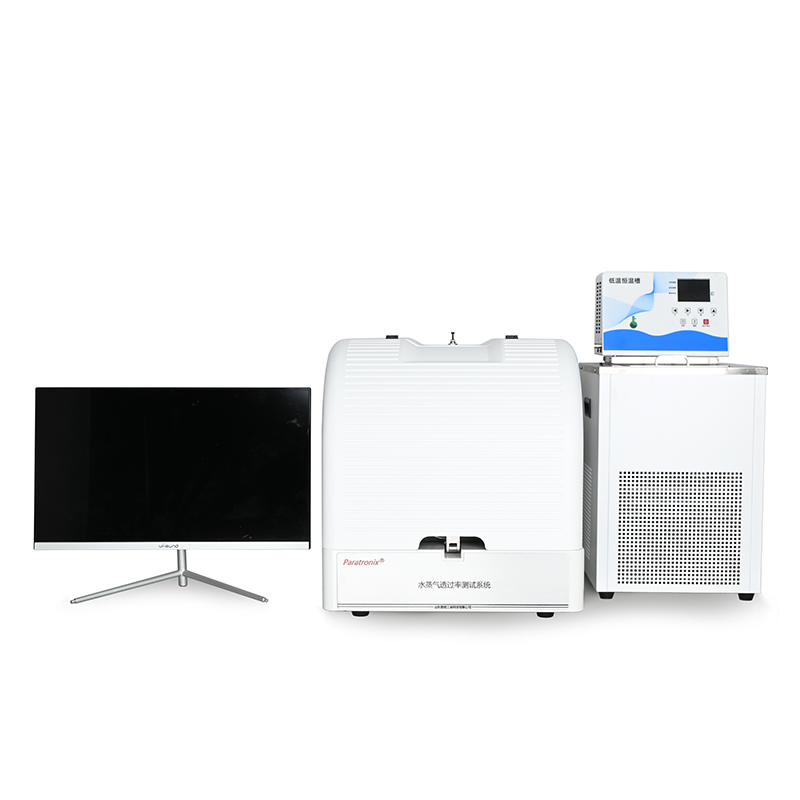
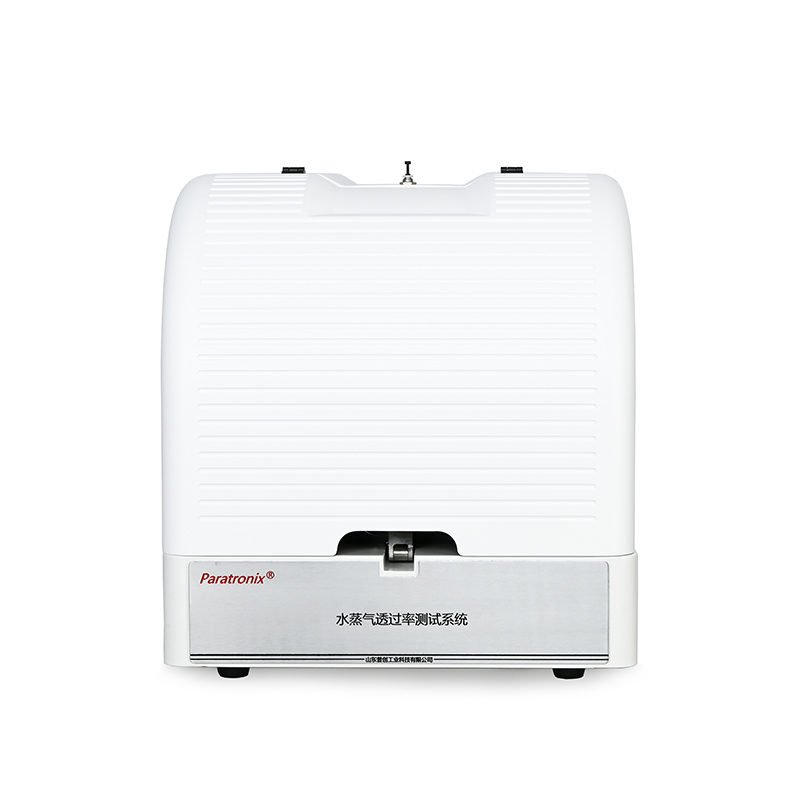
Methods are not automatically interchangeable: different humidity gradients, exposed areas, detection principles, and conditioning procedures can produce different results. For supplier qualification or dispute resolution, agree on the standard and test conditions before testing. paratronix offers water vapor permeability testers among its testing equipment; purchasers can ask which methods, humidity ranges, and specimen formats a proposed configuration supports. Request supporting documentation for the exact configuration rather than assuming compliance from the product category alone.
Applications And Test Planning
Film manufacturers use WVTR data to compare formulations and monitor changes in extrusion, orientation, coating, or lamination. Packaging converters use it to evaluate incoming materials and determine whether processing has altered barrier performance. Brand owners and research laboratories may compare candidate structures against the moisture sensitivity of a product. A WVTR tester for biodegradable films is most useful when the acceptance limit is tied to the intended application and a clearly defined test condition.
For a dry food, a team might compare candidate films at a humidity difference representative of expected storage, then investigate promising options in finished-package shelf-life studies. For a moisture-containing product, the relevant gradient may run in the opposite direction. Film testing alone does not account for seal defects, closures, package geometry, or distribution damage. Complementary seal-strength and leak testing can help assess the finished pack; paratronix lists both leak and seal strength testing equipment in its range.
Global buyers should distinguish a laboratory test method from a market access requirement. ASTM and ISO methods can provide a common measurement framework, but contractual specifications, product-contact rules, and environmental claims depend on the destination market and application. A WVTR result is not evidence of compostability. Check the applicable legal requirements and independently substantiate any biodegradation or compostability claim using the appropriate criteria for the claimed disposal environment.
How To Select And Operate A Tester
Start selection with the expected WVTR range, required temperature and humidity conditions, material thickness, and specimen size. Ask the supplier to document the measurement range and uncertainty or repeatability under the conditions relevant to your films. Confirm whether the system accommodates flexible, coated, or multilayer samples and whether it can maintain the necessary humidity gradient. An instrument suitable for a high-barrier laminate may have different sensitivity and operating requirements from one used for a more permeable film.
Evaluate throughput using the actual sequence of conditioning, mounting, stabilization, measurement, and cleaning. The number of test cells alone does not determine daily capacity if samples require long equilibration or if cells operate under different constraints. Check available utilities, installation space, environmental requirements, operator training, software exports, and access to service. For routine quality control, define sampling frequency and control limits from representative production data; for development work, prioritize flexibility and traceable test records.
Before accepting the equipment, agree on installation checks and a demonstration using representative specimens. Establish procedures for leak checks, calibration or verification, sensor care, seal replacement, and documentation according to the instrument instructions and laboratory quality system. Maintenance intervals depend on the instrument, usage, and supplier recommendations. Retain raw data and report the method, conditions, exposed area, thickness, individual results, and any deviations so that another laboratory can interpret the findings.
Ownership Costs And Future Trends
Total ownership cost includes the purchase price, installation, training, utilities, consumables, calibration or verification, preventive maintenance, software support, and eventual repairs. Labor time for specimen preparation and data review can be significant, as can downtime while a detector or seal is serviced. Ask for a written quotation covering the intended configuration, replacement parts, service response arrangements, and any recurring fees. Compare these costs over a realistic planning period rather than choosing solely by the initial price.
To assess return on investment, estimate annual sample volume, the cost and turnaround time of outsourced testing, internal labor, and the value of faster development decisions. Include the cost of running reference samples and resolving discrepancies between laboratories. A purchase is easier to justify when the instrument addresses a defined bottleneck or provides conditions unavailable from a suitable external laboratory. Avoid treating faster testing as automatic proof of lower packaging costs or longer shelf life.
As biodegradable and other alternative packaging materials evolve, laboratories will need to compare performance across broader humidity ranges and more complex structures. Better digital records and controlled test conditions can support traceability, while cross-laboratory comparisons can help teams understand method differences. When discussing a WVTR tester for biodegradable films with paratronix, provide the film composition, expected transmission range, target method, humidity conditions, sample volume, and reporting needs to support a configuration review.
 ASTM F1249 vs. E96: Matching Water Vapor Permeability Testers to MethodsChoose the right Water Vapor Permeability Tester with our ASTM F1249 vs. E96 guide. Compare methods, barrier ranges, and test conditions to make a confident equipment investment.
 How is water vapor transmission measured in building membranes?Discover how a water vapor transmission rate tester for building membranes measures WVTR, and learn how to compare test methods and choose the right equipment.
 Water Vapor Permeability Tester Selection for High-Barrier Packaging FilmsChoose the right Water Vapor Permeability Tester for high-barrier films. Discover how to verify low WVTR accuracy, sealing, and throughput for confident purchasing decisions.
 Inside a Water Vapor Permeability Tester: Methods, Sensors, and Test DataWater Vapor Permeability Tester guide: explore gravimetric, infrared, and coulometric methods, sensor performance, calibration, and WVTR data insights for smarter packaging barrier decisions.
 WVTR-E3 Water Vapor Transmission Rate TesterWVTR-E3 Water Vapor Transmission Rate Tester is designed and manufactured based on the infrared sensor method and is applicable to test the water vapor transmission rate of medium and high barrier materials such as plastic films, composite films, sheets, papers and other various materials.
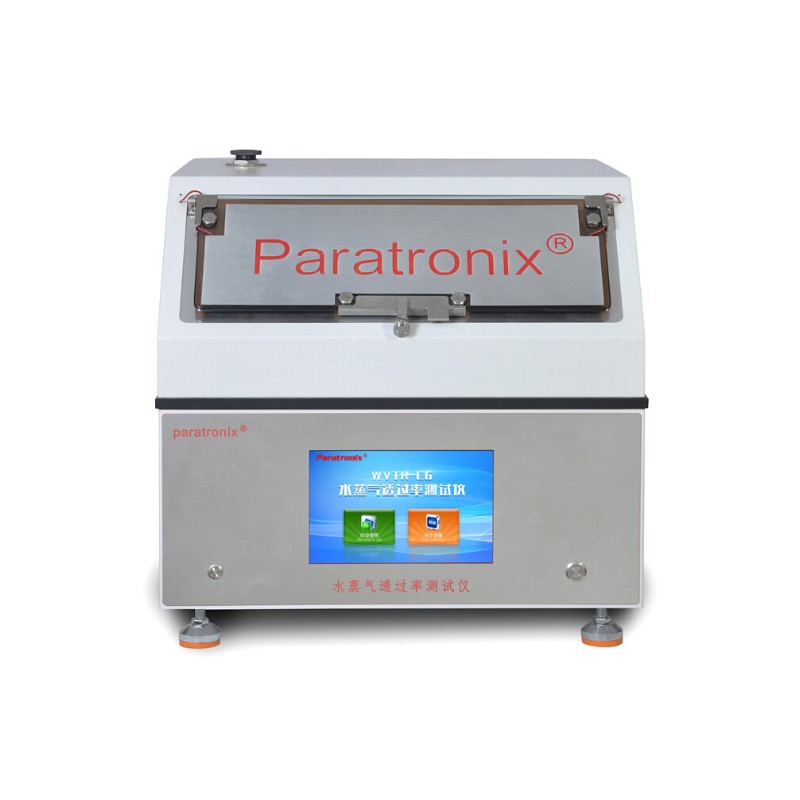
 WVTR-C6 Water Vapor Transmission Rate TesterWVTR-C6 Water Vapor Transmission Rate Tester is designed and manufactured based on the gravimetric method and can be used to test the water vapor transmission rate of plastic films, composite films, sheets, and other materials used in the packaging, medical, and construction industries.
 WVTR-AE3 Water Vapor Transmission Rate TesterWVTR-AE3 Water Vapor Transmission Rate Tester is designed and manufactured based on the electrolytic sensor method and is applicable to test the water vapor transmission rate of medium and high barrier materials such as plastic films, composite films, sheets, papers and other various materials.
Search by Keywords