




What Oxygen Permeability Testing Measures
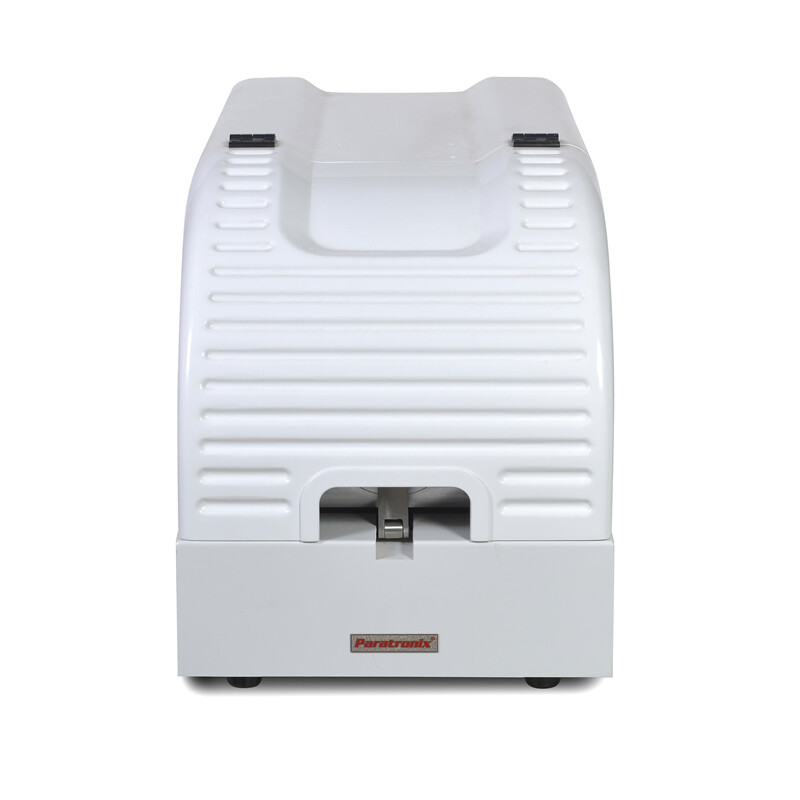
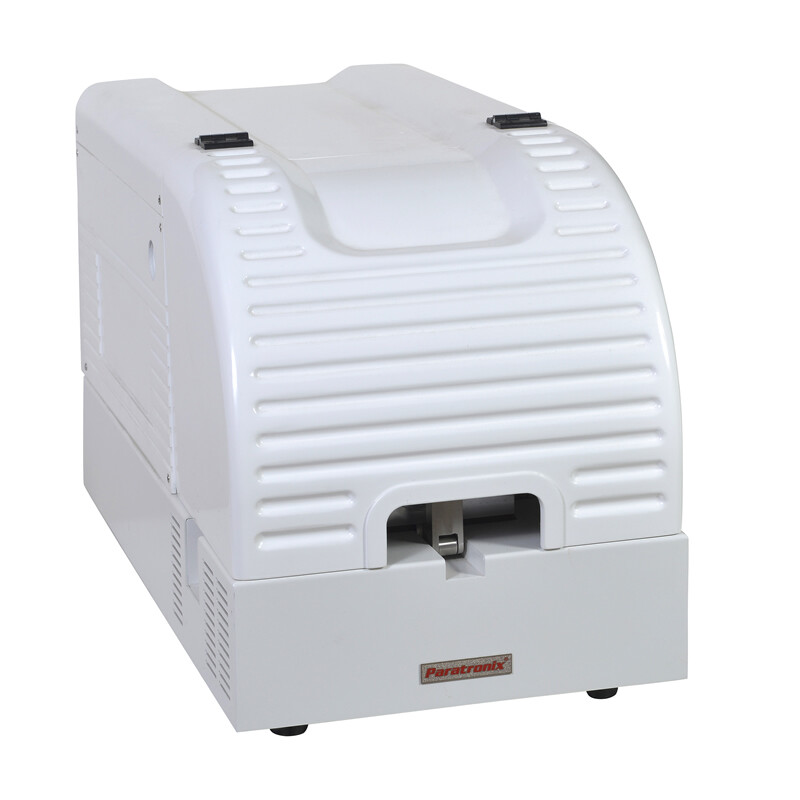
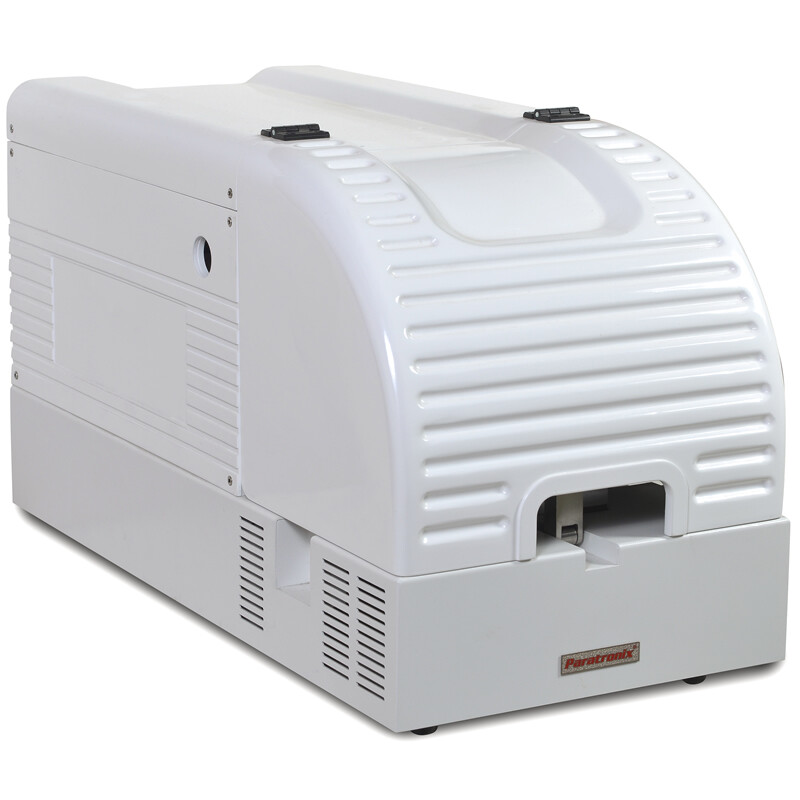
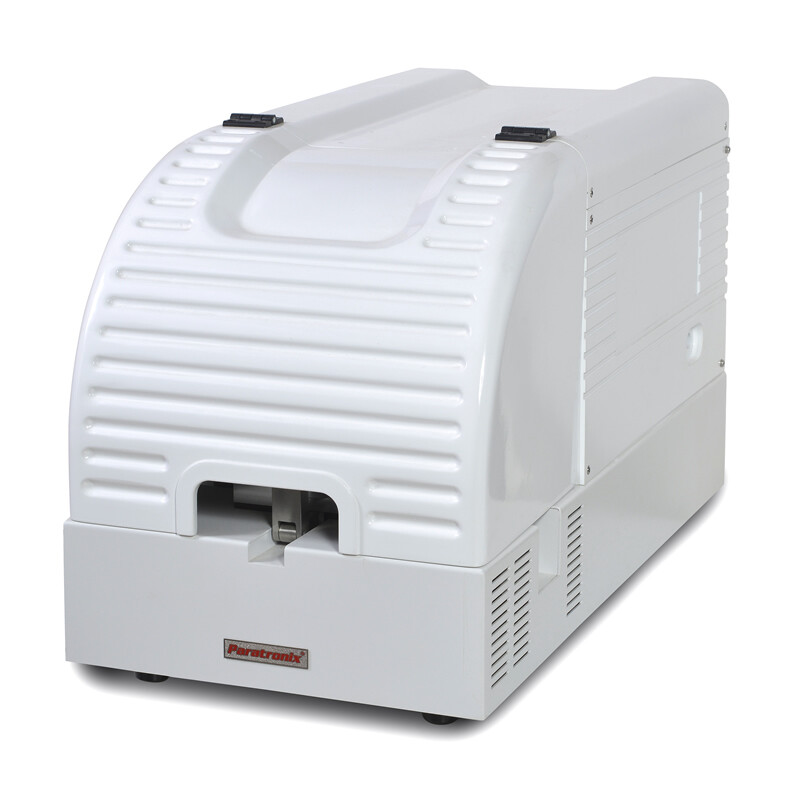
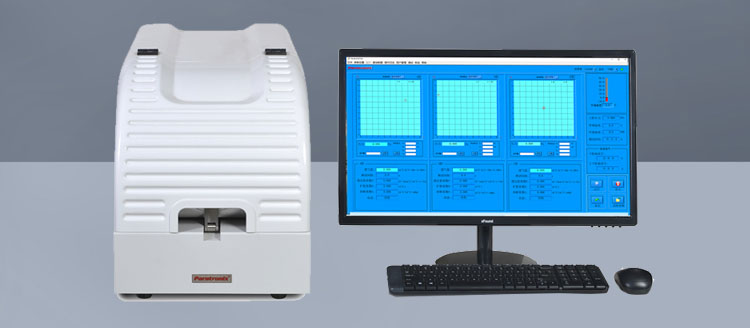
An oxygen permeability tester for coated paper measures how much oxygen passes through a defined area of a material under controlled conditions. The result helps manufacturers assess whether a coated paper structure can protect oxygen-sensitive contents during storage and distribution. Typical samples include paper with polymer, dispersion, or multilayer barrier coatings intended for packaging applications.
The most commonly reported result is the oxygen transmission rate, or OTR: the volume of oxygen passing through a unit area during a specified time. Reports commonly use cm³/(m²·day), with the test temperature, relative humidity, pressure conditions, and gas composition stated alongside the value. An OTR number without these conditions is difficult to compare with another result.
Permeability and transmission rate are related but distinct concepts. OTR describes the performance of the tested structure at its actual thickness; a permeability coefficient incorporates thickness under defined assumptions. Coated paper is often heterogeneous, and its coating and paper layers can respond differently to moisture, so converting its OTR into a single material coefficient requires particular care.
Testing a flat sheet also does not establish the barrier performance of a finished pouch or carton. Folds, seals, closures, and handling damage can introduce additional pathways for oxygen. Buyers should treat sheet testing as one part of a wider packaging assessment and choose finished-package testing when the commercial risk depends on the assembled pack.
How The Measurement Principle Works
A specimen is clamped between two chambers and sealed around a known test area. One side is exposed to an oxygen-containing test gas, while the other is maintained at a lower oxygen partial pressure. The resulting gradient drives oxygen through the specimen. The instrument monitors the oxygen reaching the receiving side and calculates transmission from the measured flow or concentration change.
For many polymer coatings, oxygen dissolves into the material, diffuses through it, and leaves at the opposite surface. Coated paper can also transmit gas through pores, coating defects, pinholes, or imperfectly covered fibers. These pathways mean that a coating formulation with strong barrier properties may still give a weak sheet result if coverage or integrity is inconsistent.
Temperature and relative humidity can materially affect the result. Moisture may change the structure of paper and the performance of moisture-sensitive barrier layers, while temperature influences gas movement through many materials. The specimen should therefore be conditioned and tested at conditions relevant to the intended use, with sufficient time for the measurement to reach the endpoint required by the selected method.
Good sealing is essential because oxygen leaking around a specimen can be mistaken for transmission through it. Operators should keep the test area clean, inspect gaskets, and run the instrument's prescribed leak and background checks. Replicate measurements at different sheet locations can help reveal coating variability, although the number and acceptance criteria should be established in the test plan.
Test Methods And Applicable Standards
Coulometric sensor methods measure oxygen transported to a detector on the receiving side of the specimen. ASTM D3985 describes an oxygen gas transmission rate method for plastic film and sheeting using a coulometric sensor; ISO 15105-2 addresses a gas transmission rate method using an equal-pressure approach. Confirm the current edition, scope, and applicability before specifying either method for a coated paper structure.
Manometric methods determine gas transmission by monitoring pressure change under specified conditions. ISO 15105-1 describes a differential-pressure method for plastic film and sheeting. The chosen instrument must be suitable for the expected transmission range and the specimen's ability to tolerate the method's pressure conditions. A porous or mechanically weak coated sheet may require additional evaluation before testing.
Method names alone do not make results interchangeable. Gas composition, pressure gradient, humidity control, conditioning, exposed area, detection limit, and endpoint criteria can all affect the reported value. When comparing suppliers or laboratories, request the complete method and test conditions rather than comparing isolated OTR figures. Any departure from a standard's specified specimen or procedure should be documented.
For packaging teams seeking a broader testing workflow, paratronix lists water vapor permeability testers, air permeability testers, and leak and seal strength testers among its equipment offerings. These categories address different properties: air permeability is not a direct substitute for oxygen transmission, and water vapor transmission measures a separate barrier. Confirm the availability and specifications of an oxygen-specific solution directly with paratronix.
Who Uses The Results And Where
Paper mills and coating suppliers use oxygen transmission data to compare base papers, coating weights, formulations, and production settings. Packaging converters use it to qualify incoming rolls and investigate changes after printing, converting, or lamination. Brand owners and independent laboratories may use the same measurements to establish specifications and support decisions about packaging for oxygen-sensitive products.
In food packaging development, an oxygen barrier can help manage the conditions that contribute to oxidation and quality loss. The required OTR depends on the product, headspace, package geometry, storage environment, and target shelf life. It should be established through a suitable packaging and shelf-life assessment; a low sheet OTR alone does not guarantee product stability.
For supplier qualification, agree on specimen orientation, conditioning, test conditions, and reporting units before samples are exchanged. Set an acceptance range using material requirements and relevant production data, then define how borderline results will be handled. If two laboratories disagree, compare calibration status, specimen locations, environmental conditions, and test methods before concluding that the material has changed.
An oxygen permeability tester for coated paper is useful during material development, initial qualification, routine production monitoring, and investigation of complaints or process changes. Test after a change in coating formulation, base paper, drying conditions, or converting process when that change could affect the barrier. The frequency of routine testing should reflect process variability, customer requirements, and the consequences of failure.
How To Select And Operate A Tester
Start with the expected OTR range and the conditions at which the material must be tested. Ask suppliers for the instrument's validated measurement range, resolution, specimen area, temperature and humidity capabilities, and supported methods. A suitable range should cover both target products and potentially higher-transmission samples encountered during development or troubleshooting.
Assess the test cell against the actual construction of the paper. Sample thickness, surface roughness, stiffness, and the presence of curled or uneven coatings can affect clamping and sealing. Provide representative samples for a feasibility demonstration, and ask how the supplier checks for edge leakage, protects delicate surfaces, and handles specimens that do not lie flat.
A practical workflow begins with sampling across the roll or sheet, identifying the coated side, and conditioning specimens according to the agreed method. Cut specimens without damaging the test area, mount them consistently, check the seal, and run the measurement to the defined endpoint. Record sample identification, orientation, test conditions, result, and any deviations so the result remains traceable.
Before purchase, review installation requirements, gas supply, operator training, calibration or verification procedures, service support, and data export. Ask which reference materials and checks are recommended for the intended range and how often they should be used. Follow the manufacturer's maintenance schedule and investigate drift, unusual backgrounds, or failed leak checks before releasing results.
Total Cost And Future Testing Trends
The purchase price is only one part of total ownership cost. Budget for installation, gases, reference materials, gaskets and other consumables, calibration or verification, maintenance, software, training, and downtime. Throughput matters too: test duration and the number of cells determine how many production samples a laboratory can process with its available staff.
To assess return on investment, estimate the cost of current outside testing, shipping, waiting time, and delayed production decisions. Compare that baseline with the annual cost of in-house testing and the number of decisions it would support. Include realistic utilization and service assumptions; potential savings from fewer rejected batches should be supported by the buyer's own quality and production records.
Demand for fiber-based packaging and changing barrier-coating designs are increasing the need to evaluate how oxygen performance responds to humidity, converting, and material variability. Laboratories may also place greater value on traceable digital records and repeatable workflows. These developments make it useful to select equipment and procedures that can accommodate the conditions and documentation needs of future projects.
For a purchasing discussion with paratronix, prepare representative samples and share the expected OTR range, target temperature and humidity, preferred method, daily sample volume, and reporting needs. Request a written proposal identifying the suitable equipment, operating requirements, service terms, and any method limitations. The supplied business license identifies the company through Unified Social Credit Code 91370105689842696E.
 How does an ASTM D3985 oxygen permeability tester work?Discover how an ASTM D3985 oxygen permeability tester measures film OTR, and learn what to consider when choosing equipment for reliable barrier testing.
 What does ASTM F1927 require for oxygen sensor calibration?ASTM F1927 oxygen permeability tester calibration: discover how references, humidity control, verification, and records support reliable results.
 Can an ISO 15105-2 oxygen tester measure coated films?Can an ISO 15105-2 oxygen permeability tester measure coated films? Explore key test conditions, common pitfalls, and tips for reliable results.
 What does an ASTM F1307 oxygen permeability tester measure?Discover what an ASTM F1307 oxygen permeability tester measures, how package oxygen transmission rates are interpreted, and why test conditions matter.
Search by Keywords