




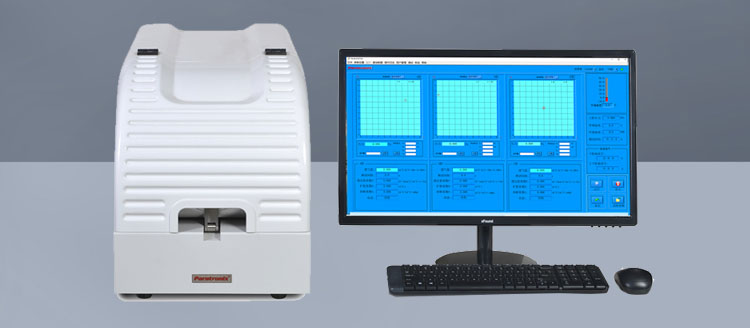
What An ISO 15105-2 Oxygen Permeability Tester Measures
An ISO 15105-2 oxygen permeability tester evaluates how readily oxygen passes through a plastic film or sheeting under specified conditions. A specimen separates two chambers: oxygen is supplied to one side, while the other side carries permeating gas toward a detector. The resulting oxygen transmission rate, or OTR, helps manufacturers compare barrier materials and investigate changes in formulation, processing, or storage conditions.
ISO 15105-2 describes an equal-pressure method for determining gas transmission through plastic film and sheeting. Coulometric detection is one possible measurement approach; buyers should not assume that every instrument marketed for this standard uses the same sensor. Before purchasing, confirm the applicable edition, the gases and measurement conditions covered, and the instrument configuration required for the intended test.
OTR is commonly reported as a volume of oxygen passing through a specified area over a specified time, such as cm³/(m²·day), together with temperature, humidity, and oxygen conditions. Permeability and transmission rate are related but distinct: permeability calculations also depend on factors such as specimen thickness and the relevant pressure difference. Report the measured quantity and calculation method explicitly when comparing results.
How Coulometric Oxygen Detection Works
In a typical coulometric setup, a conditioned specimen is sealed between a test-gas chamber and a carrier-gas chamber. Oxygen diffuses through the film and is transported by the carrier gas to an electrochemical sensor. At the sensor, oxygen participates in a reaction that produces an electrical signal related to the amount of oxygen reaching it. The instrument uses this signal to calculate transmission.
Measurements generally continue until the instrument's specified stability criterion is met. The time needed depends on material, thickness, temperature, and the system's response. A high-barrier specimen may require particular attention to background oxygen and leakage because the permeating signal can be small. An apparently stable reading is useful only when the specimen seal, gas supply, and instrument checks are also satisfactory.
Test conditions shape the result. Temperature can change polymer mobility, while humidity can strongly affect moisture-sensitive barrier layers. Oxygen concentration and pressure conditions also matter. Record both chamber conditions where relevant, the exposed test area, sample conditioning, and the criterion used to end the test. These details make results more useful for internal comparisons and discussions with customers or laboratories.
Main Equipment And Test Configurations
An ISO 15105-2 oxygen permeability tester may use a coulometric sensor or another detection approach supported by the applicable method and instrument configuration. Compare systems by the detector's usable range, response at the low end, calibration requirements, and sensitivity to test conditions. Ask suppliers to explain which parts of the standard their configuration supports and which accessories or procedures are required.
Film-testing systems can differ in the number of test cells, exposed area, environmental controls, and degree of automation. Multiple cells can improve laboratory throughput, but their value depends on whether samples can run independently and whether shared components constrain scheduling. For frequent product changes, assess the effort needed to clean fixtures, change specimens, and document each test rather than relying on cell count alone.
Flat-film testing and finished-package testing answer different questions. A film result characterizes the tested sheet under defined conditions; a package result can also reflect seals, closures, formed sections, and other features. Do not assume a film fixture can test complete packs or that its result predicts package performance directly. Confirm whether a separate fixture, instrument, or test method is needed for the packaging format.
Applications And Related Testing Needs
Packaging converters, film producers, brand owners, and independent laboratories use oxygen transmission data to compare candidate materials, monitor incoming rolls, and investigate production changes. For oxygen-sensitive foods or other products, the data can inform material selection alongside shelf-life studies. A barrier result alone does not establish shelf life: product sensitivity, package geometry, headspace, seals, and distribution conditions also affect the outcome.
For medical and other regulated packaging, establish the applicable product requirements and validation plan before selecting a test. Film transmission data can support material characterization, while package integrity and seal performance require appropriate additional assessments. Standards and customer specifications vary by market and application; confirm the current editions and acceptance criteria with the relevant customer, laboratory, or regulatory specialist.
Paratronix offers related testing equipment categories, including water vapor permeability testers, leak and seal strength testers, and non-destructive micro-leakage testers. These address different aspects of packaging performance and can complement oxygen barrier measurements. Discuss the material, package format, and required methods with paratronix, and confirm the availability and specifications of any oxygen testing equipment before making a procurement decision.
How To Select An Oxygen Permeability Tester
Start with the expected transmission range of actual materials, including the lowest values the laboratory must measure. Ask for the instrument's specified range and the conditions under which its lower limit is stated. Request evidence of performance near the intended decision threshold, including suitable reference materials and uncertainty information where available. A broad headline range is less useful if performance near the specification limit is unclear.
Next, match environmental capability to the application. Specify the required temperature, relative humidity, test gas concentration, specimen dimensions, and any need for different conditions on each side. Check whether controls, gas conditioning, and fixtures are included or optional. For multilayer structures, agree on specimen orientation and conditioning because the direction exposed to moisture or oxygen can affect interpretation.
Finally, evaluate practical operation and support. Request sample reports, data export options, calibration procedures, installation requirements, and recommended maintenance. Clarify how the supplier handles training, spare parts, software support, and service response in your region. If possible, arrange a demonstration using representative films and compare the results with an established laboratory, using matched conditions and an agreed comparison protocol.
Sample Preparation And Quality Control
Take representative specimens from the material being evaluated and identify their location, layer orientation, and relevant production details. Avoid folds, scratches, contamination, and unintended stretching during handling. Measure thickness when needed for interpretation or permeability calculations, using a suitable method and enough locations to represent variation. Condition samples as required by the test procedure, and record any deviation that could influence the result.
Before testing, inspect the cell and sealing surfaces, install the specimen according to the instrument instructions, and perform the prescribed leak and background checks. Confirm gas quality, flow settings, temperature, and humidity before starting. A leaking seal or contaminated system can distort a low transmission reading, so investigate unexpected results before attributing them to the material or accepting a batch decision.
Use documented calibration and verification procedures appropriate to the instrument and laboratory quality system. Reference materials, replicate tests, and control samples can help identify drift and assess repeatability. Retain the specimen identification, test conditions, raw or exported results, calculations, and any anomalies with the final report. Agree on acceptance limits before testing and distinguish instrument uncertainty from variation within the material itself.
Ownership Costs And Future Developments
The purchase price is only one part of ownership cost. Budget for installation, operator training, carrier and test gases, reference materials, replacement seals, sensor servicing, calibration, software support, and downtime. Environmental controls or package fixtures may add cost if they are not included. Estimate annual testing volume and typical cycle time to understand whether the chosen capacity fits the laboratory's workload.
To assess return on investment, compare the full cost of in-house testing with external laboratory fees, shipping, lead times, and the value of faster decisions. Include staffing and the work needed to maintain a reliable measurement system. In-house capability may be most useful when frequent formulation changes or incoming-material checks justify it; occasional specialized tests may still be more practical to outsource.
Future requirements are likely to emphasize better data traceability, efficient laboratory workflows, and evaluation of evolving packaging structures, including recyclable or reduced-material designs. These materials can introduce new trade-offs between barrier performance, humidity sensitivity, and processing. When discussing an ISO 15105-2 oxygen permeability tester with a supplier, share representative samples, target ranges, throughput, and reporting needs to obtain a configuration and quotation grounded in your application.
 How does an ISO 15105-2 oxygen permeability tester work?Discover how an ISO 15105-2 oxygen permeability tester measures oxygen transmission and what to consider when choosing a setup for packaging barrier testing.
 Choosing an ISO 15105-2 oxygen tester by measurement rangeChoose an ISO 15105-2 oxygen permeability tester with confidence. Compare measurement ranges, test conditions and accuracy for your packaging materials.
 How to prepare film samples for ISO 15105-2 oxygen testingPrepare film samples for an ISO 15105-2 oxygen permeability tester. Learn how to cut, condition and seal specimens for reliable oxygen transmission results.
 How to check an oxygen tester against ISO 15105-2 requirementsEvaluate an ISO 15105-2 oxygen permeability tester with this practical guide to pressure control, calibration, test conditions and reporting.
Search by Keywords