




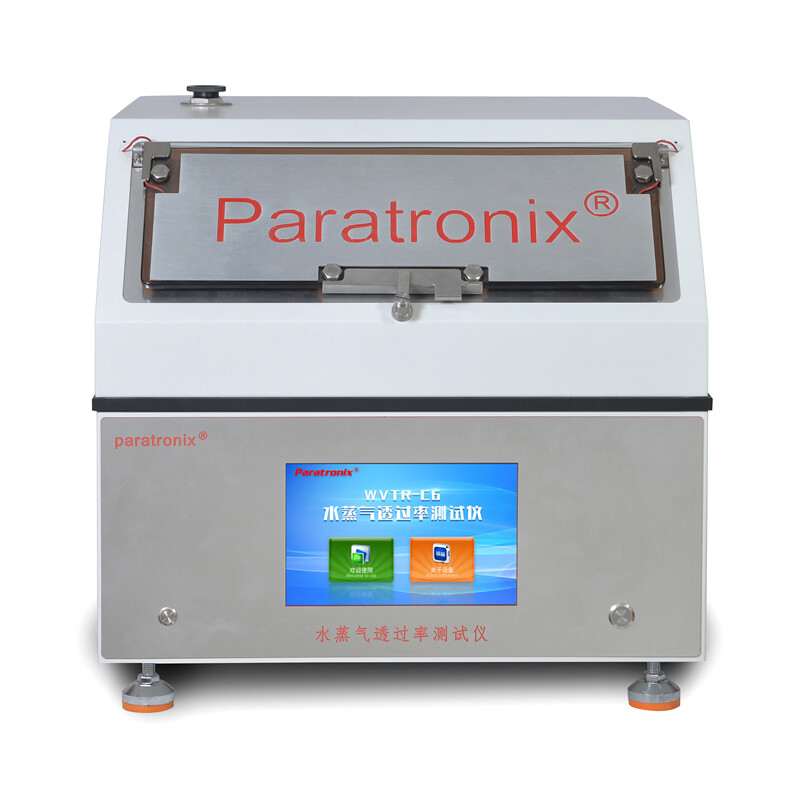
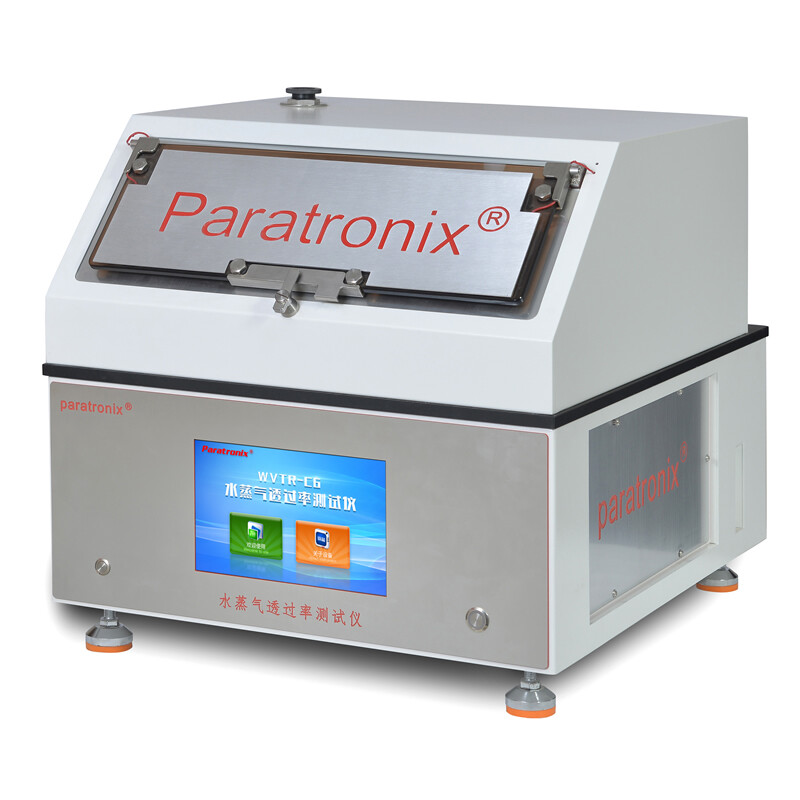
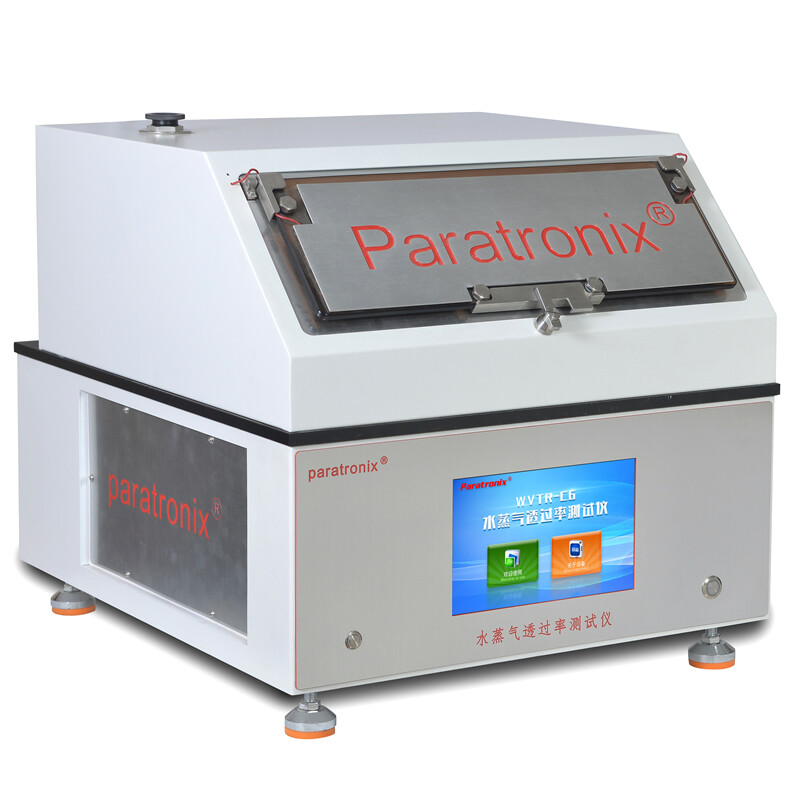
What Is An ISO 15106-3 Water Vapor Transmission Rate Tester?
An ISO 15106-3 water vapor transmission rate tester measures the movement of water vapor through plastic film or sheeting under controlled conditions. Water vapor transmission rate, or WVTR, describes the mass of water vapor passing through a specified area over a specified time, commonly expressed in g/(m²·day). The result helps buyers compare barrier materials and manufacturers assess whether a material is suitable for a moisture-sensitive application.
ISO 15106-3 describes an electrolytic detection sensor method for determining water vapor transmission through plastic film and sheeting. The measurement applies to a specimen under the conditions of the test; it does not automatically predict the performance of a finished package. Temperature, relative humidity, specimen construction, and exposed area all affect interpretation. Always consult the applicable edition of the standard and any requirements specified by the customer or regulator.
WVTR is distinct from water vapor permeability. WVTR is measured for the specimen as tested, while permeability is a material property that requires additional assumptions and information, including thickness and the vapor pressure difference. These concepts are especially easy to confuse with multilayer or coated films, where thickness normalization may not support a meaningful comparison between different constructions.
How The Electrolytic Detection Method Works
The specimen separates two environments with different water vapor conditions. Moisture moves from the higher vapor pressure side through the material toward the lower vapor pressure side. A dry carrier gas transports the permeating vapor to an electrolytic sensor. The instrument measures the sensor response and calculates the transmission rate using the exposed specimen area and the measurement period.
In the electrolytic sensor, water is absorbed by a hygroscopic electrolyte and decomposed by an electric current. The resulting electrical signal is related to the amount of water reaching the sensor. Stable gas flow, effective drying, controlled humidity and temperature, and a leak-tight test cell are necessary for a useful measurement. Sensor design and signal processing can differ between instruments, so review the supplier's operating instructions.
After the specimen is mounted, the system generally needs time to purge residual moisture and approach a stable permeation response. Very high barrier materials can require longer conditioning and measurement periods than more permeable films. A low reading alone does not establish equilibrium: examine the signal over time and apply the endpoint or stability criteria required by the governing method and laboratory procedure.
Main Tester Types And Alternative Methods
For procurement, distinguish the detection method from the instrument configuration. An electrolytic instrument may be offered with one or several test cells, different measurement ranges, or varying levels of temperature and humidity control. Multiple cells can increase throughput, but confirm whether they operate independently and whether simultaneous results are available under the conditions your laboratory needs.
Other WVTR methods use different measurement principles. Gravimetric methods determine mass change, while some instrumental methods use infrared or other moisture sensors. ISO 15106 contains separate parts for different approaches. The existence of an alternative method does not make its results automatically interchangeable with ISO 15106-3 results: specimen preparation, exposure conditions, detection limits, and calculation rules can all affect the comparison.
Choose a method with the intended material and decision in mind. A development laboratory may need sensitivity for high barrier laminates, while a production laboratory may prioritize repeatability and throughput for routine film checks. Before changing methods, run a comparison on representative materials and agree with the customer on test conditions, acceptance criteria, and how differences will be handled.
Applications And Relevant Standards
Film producers, converters, packaging developers, independent laboratories, and quality teams use WVTR data to evaluate moisture barriers. Typical specimens include plastic films, coated films, and multilayer sheets used in food, pharmaceutical, medical, electronics, and industrial packaging. Application suitability depends on the product's moisture sensitivity, storage environment, package design, and required shelf life; a single film result cannot establish shelf life on its own.
Specify the standard edition and test conditions in purchasing documents and laboratory reports. ISO 15106-3 addresses film and sheeting measurement by an electrolytic method; a customer's specification may also call for a different standard, conditioning protocol, or finished-package test. Check applicable market and product requirements separately. A test result supports technical assessment but does not by itself demonstrate regulatory approval or market access.
For organizations evaluating a broader packaging test program, paratronix lists water vapor permeability testers alongside leak testers, seal strength testers, torque testers, friction coefficient testers, and medical packaging physical performance testers. These categories address different properties and can support complementary checks. Ask paratronix which available configuration uses the electrolytic method and whether its documented operating range and controls meet your ISO 15106-3 requirements.
How To Prepare And Run A Reliable Test
Start with a documented sampling plan that identifies the material, batch, construction, and sampling locations. Select specimens free from unintended folds, damage, or contamination, and record thickness where it is relevant. Condition and handle samples according to the applicable method and laboratory procedure. For asymmetric laminates, record which surface faces the humid side, because orientation can affect the observed response.
Install the specimen without stretching or creasing it, using the specified exposed area and seals appropriate to the test cell. Check the supply gas, drying system, temperature, humidity, and flow settings as instructed by the equipment manufacturer. Perform the prescribed leak and system checks before measurement. A leaking seal or residual moisture can distort a low transmission reading and lead to an incorrect material decision.
Run the test until the applicable endpoint is reached, and document any interruptions or deviations. Report the WVTR with its units, test temperature, humidity conditions, specimen identification, exposed area, orientation, and relevant standard edition. Include replicate results and the laboratory's uncertainty information when required. Compare results only when the test conditions and reporting basis are sufficiently aligned for the intended decision.
Selection Criteria And Total Cost Of Ownership
Begin selection with the expected WVTR range of actual samples, including the lowest values that must be distinguished from the instrument's background. Request documented measurement range, detection capability, repeatability, temperature and humidity ranges, specimen area, and test duration under relevant conditions. Confirm that the configuration supports the required standard and ask how performance is verified across the intended operating range.
Evaluate throughput as a complete workflow: sample mounting, purge time, stabilization, reporting, and cleaning all consume capacity. Review gas requirements, utilities, installation space, software access, data export, operator training, and service availability. For regulated or audited laboratories, discuss calibration traceability, data integrity features, and qualification documentation before ordering. Request a demonstration using representative samples when practical.
Total cost of ownership includes the instrument, installation, carrier gas, consumables, reference materials, calibration, preventive maintenance, repairs, training, and downtime. Estimate annual sample volume and staff time before comparing offers. A higher purchase price may be justified by suitable sensitivity or reduced labor, but calculate the expected return using your own workload, achievable turnaround, and documented operating costs rather than an assumed payback period.
Maintenance, Trends And Next Steps
Follow the manufacturer's maintenance schedule for sensor care, seals, gas filtration, drying components, and flow control. Establish calibration and performance verification intervals using the supplier's recommendations, laboratory procedures, usage, and historical performance; there is no universal interval suitable for every laboratory. Track background readings, check results, and service events so that drift or contamination can be investigated before routine data are affected.
Demand for recyclable packaging structures, thinner films, and coatings is making barrier verification more consequential during material changes. Laboratories are also assessing automation, electronic records, and methods for comparing new constructions with established materials. These developments increase the value of consistent test conditions and documented uncertainty. New materials can behave differently during conditioning, so validate the procedure before applying existing acceptance limits.
To request a suitable ISO 15106-3 water vapor transmission rate tester, provide paratronix with your material construction, expected WVTR range, test conditions, sample volume, required standard edition, and reporting needs. Ask for a written configuration, method applicability, operating costs, and service details. The supplied business license identifier is Unified Social Credit Code 91370105689842696E; product-specific performance and conformity should be confirmed through the relevant documentation.
 ASTM F1249 vs. E96: Matching Water Vapor Permeability Testers to MethodsChoose the right Water Vapor Permeability Tester with our ASTM F1249 vs. E96 guide. Compare methods, barrier ranges, and test conditions to make a confident equipment investment.
 Electrolytic Method Water Vapor Transmission Rate Tester: A Comprehensive Guide to Precision Barrier TestingIn today's highly competitive packaging and materials industries, ensuring the integrity of barrier films and flexible substrates is paramount.
 Choosing the Right Water Vapor Transmission Rate Tester: Pharmaceutical Packaging LabsWater Vapor Transmission Rate Tester built for pharma labs: unmatched RH recovery, foil-safe clamping & FDA-ready traceability. See why Paratronix sets the standard.
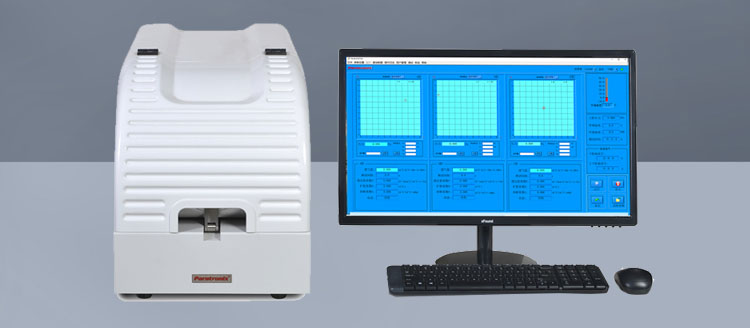
 WVTR-E3 Water Vapor Transmission Rate TesterWVTR-E3 Water Vapor Transmission Rate Tester is designed and manufactured based on the infrared sensor method and is applicable to test the water vapor transmission rate of medium and high barrier materials such as plastic films, composite films, sheets, papers and other various materials.
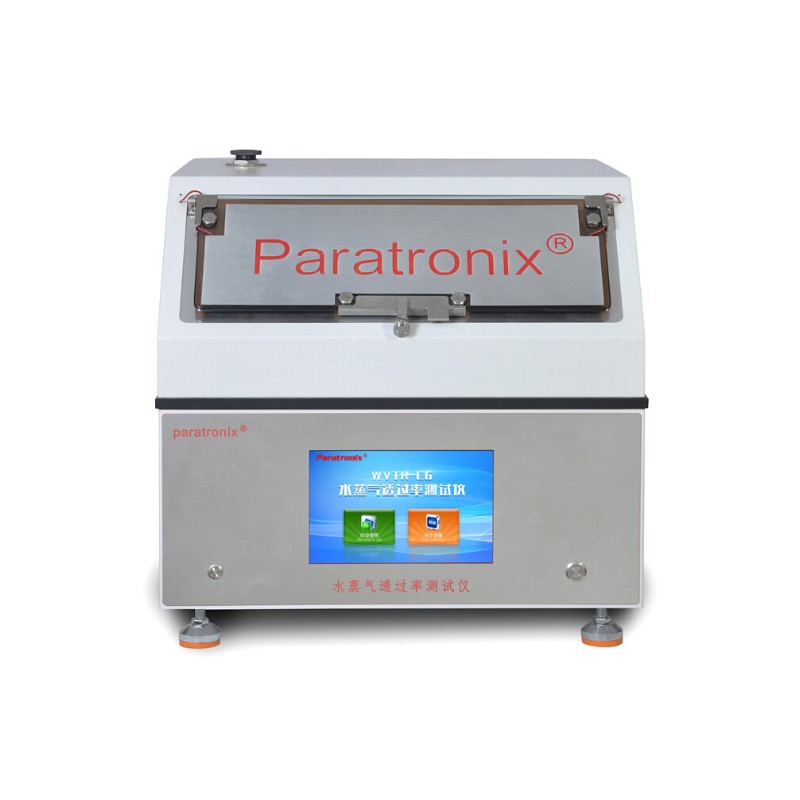
 WVTR-C6 Water Vapor Transmission Rate TesterWVTR-C6 Water Vapor Transmission Rate Tester is designed and manufactured based on the gravimetric method and can be used to test the water vapor transmission rate of plastic films, composite films, sheets, and other materials used in the packaging, medical, and construction industries.
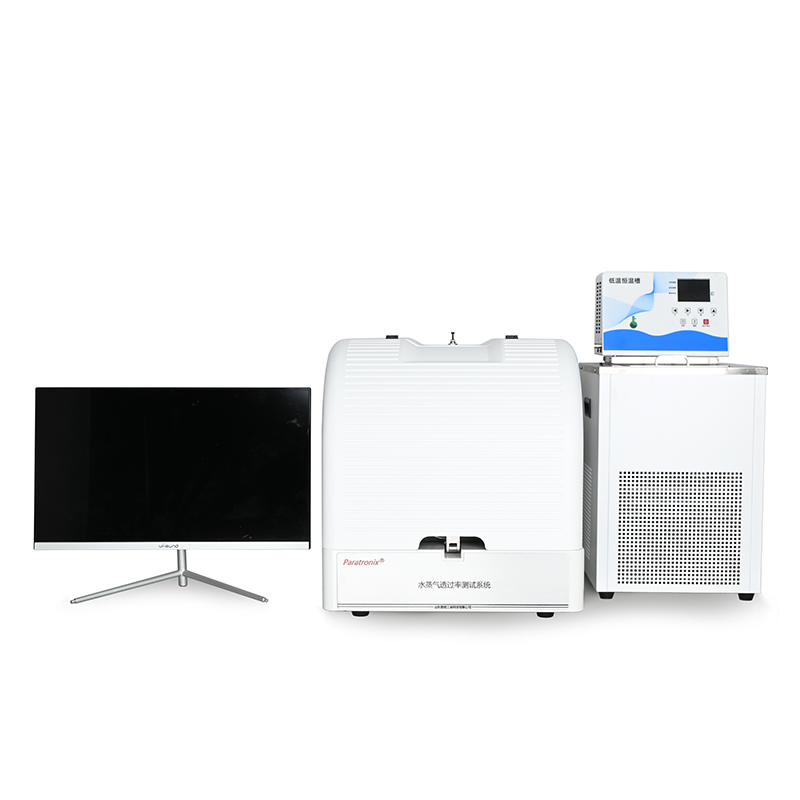
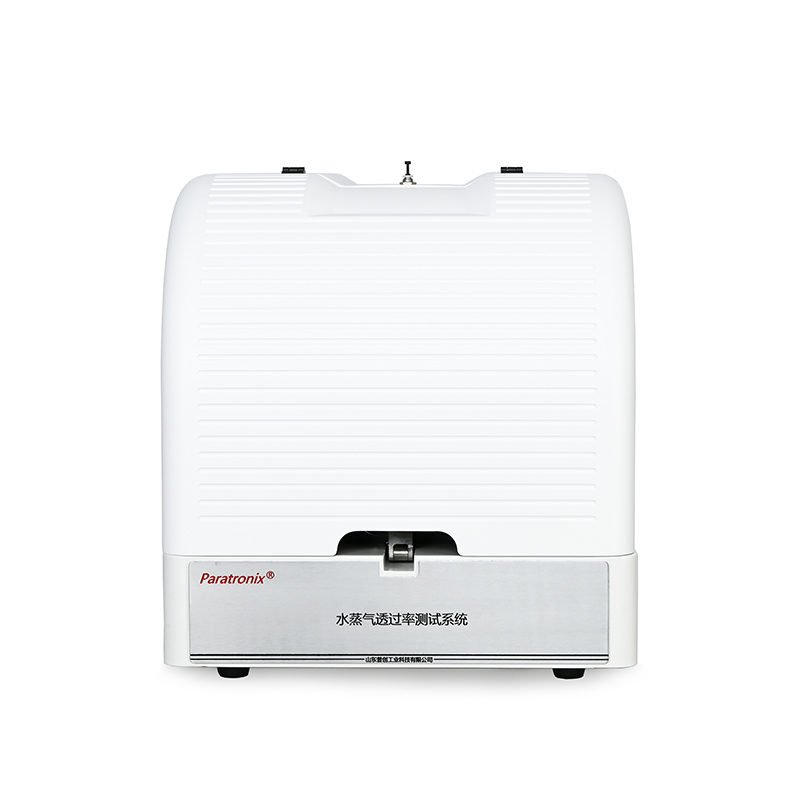
 WVTR-AE3 Water Vapor Transmission Rate TesterWVTR-AE3 Water Vapor Transmission Rate Tester is designed and manufactured based on the electrolytic sensor method and is applicable to test the water vapor transmission rate of medium and high barrier materials such as plastic films, composite films, sheets, papers and other various materials.
Search by Keywords