




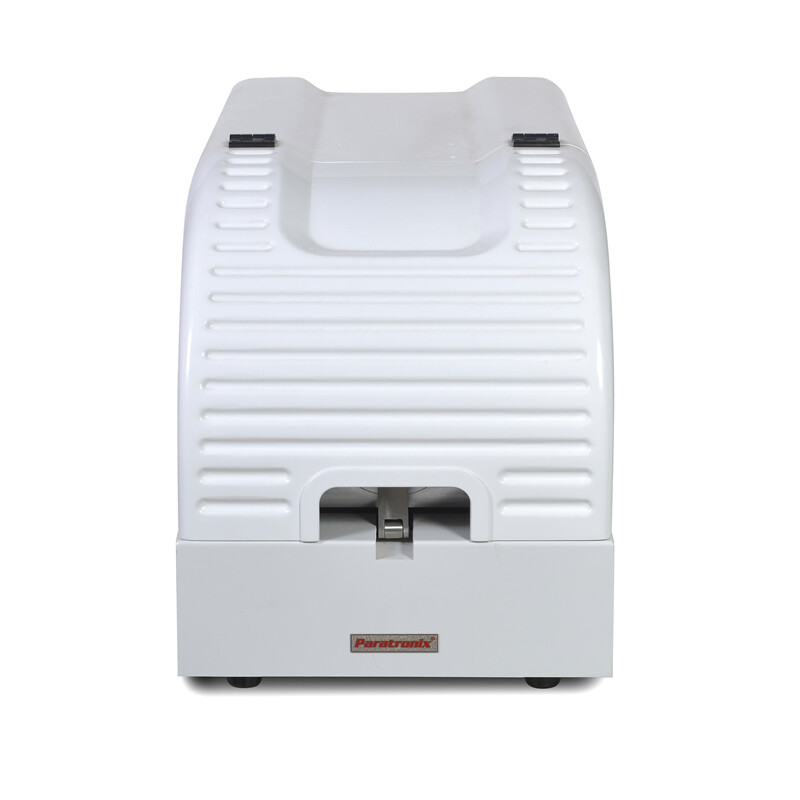
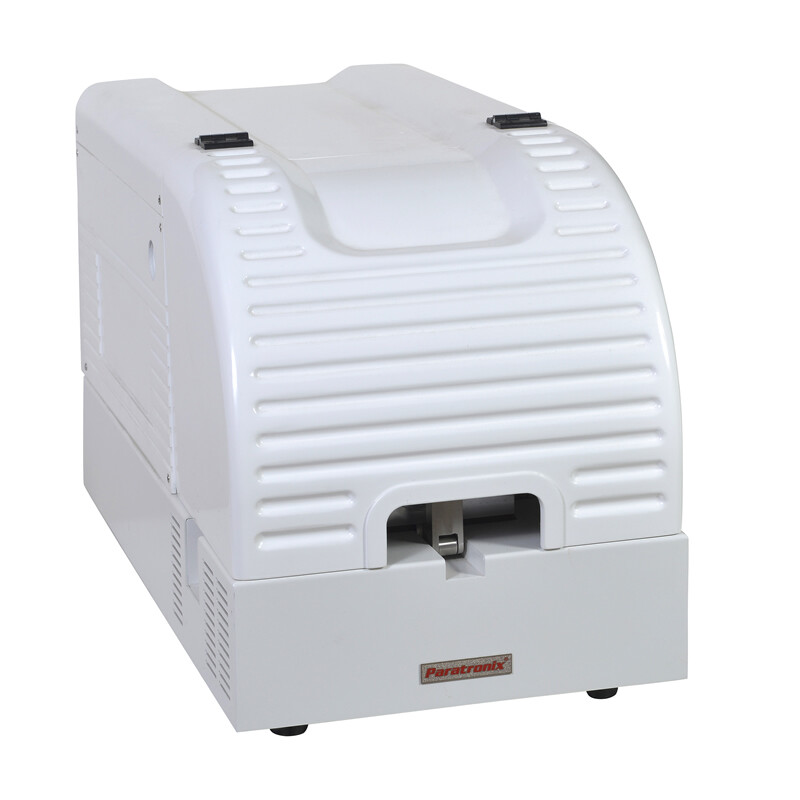
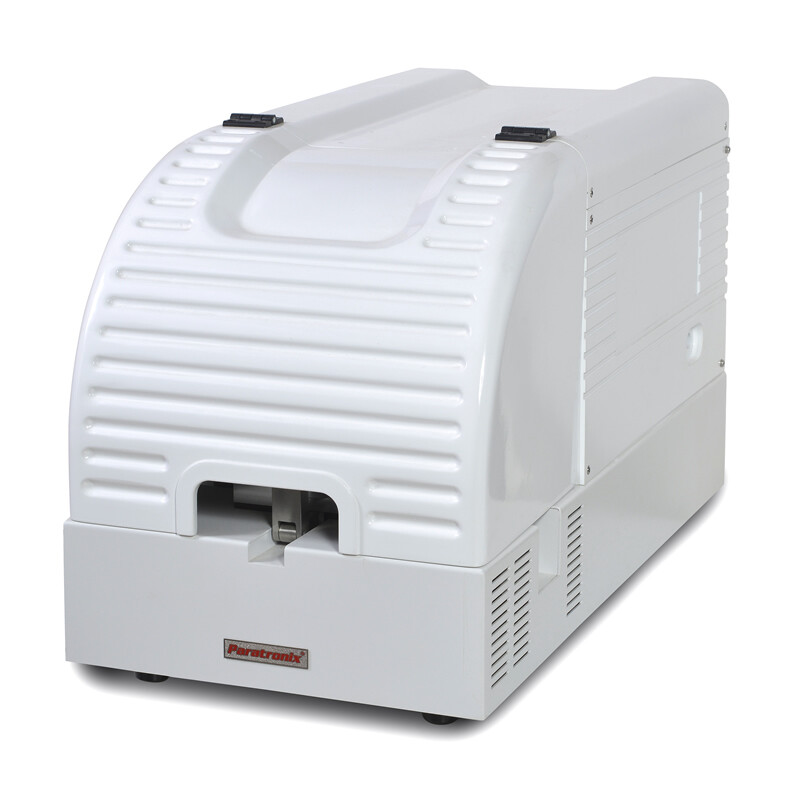
What Is An Oxygen Permeability Tester For Barrier Films?
An oxygen permeability tester for barrier films measures how readily oxygen passes through a material under controlled conditions. Its principal result is usually the oxygen transmission rate, or OTR: the volume of oxygen passing through a specified area in a specified time under stated test conditions. Results are commonly reported in cm³/(m²·day), with temperature, humidity, and the oxygen conditions on each side of the specimen recorded alongside the value.
OTR describes the performance of the tested specimen under particular conditions; it should not be treated as a universal material constant. For a homogeneous material, permeability may be calculated from transmission data, thickness, and the oxygen partial-pressure difference when the assumptions of the chosen method are met. Multilayer films, coatings, and humidity-sensitive materials require particular care because thickness alone may not predict their barrier performance.
OTR testing helps packaging developers compare candidate structures, monitor production consistency, and investigate changes that could affect product protection. A low OTR can be valuable for oxygen-sensitive foods, pharmaceuticals, and electronics, but the appropriate target depends on the product, package area, filling process, and intended shelf life. Film data should be considered together with seal integrity and the performance of the finished package.
How Oxygen Transmission Testing Works
A specimen is clamped between two chambers so that its exposed test area is defined. The instrument establishes different oxygen conditions on the two sides, and oxygen moves through the film toward the lower partial-pressure side. Depending on the method, a detector measures the oxygen reaching the receiving chamber or the instrument monitors a pressure change. Temperature and, where required, relative humidity are controlled or documented throughout the test.
In a common sensor-based arrangement, a carrier gas transports permeated oxygen to a detector. ASTM D3985 describes a coulometric sensor method for plastic film and sheeting under specified conditions, while ASTM F1927 addresses oxygen gas transmission through plastic film and sheeting using a coulometric detector at controlled relative humidity. ISO 15105-2 covers an equal-pressure method for plastics film and sheeting. Buyers should check the current edition and the method's applicability before specifying a test.
Test duration depends on the material, specimen thickness, chamber conditions, and the time needed to reach the method's endpoint or steady-state criteria. Before accepting a result, check for leaks around the specimen, sufficient conditioning, appropriate calibration or verification, and stable environmental conditions. A result close to the instrument's detection limit needs particular scrutiny; the reporting limit and measurement uncertainty should be considered when comparing very high-barrier films.
Main Tester Types And Method Selection
Oxygen transmission instruments can be compared by measurement principle. Coulometric sensor systems are widely used for film OTR measurements and can be configured for controlled humidity, depending on the instrument. Other systems use pressure-based methods or different oxygen sensors. The selected method affects the gases required, preparation, measurement range, and comparison with existing specifications, so the detector name alone is not enough to establish suitability.
ASTM D1434 describes a differential-pressure method for gas permeability characteristics of plastic film and sheeting; ISO 15105-1 also covers a differential-pressure method. These methods do not automatically produce interchangeable results with equal-pressure oxygen tests. Gas selection, pressure difference, humidity, and calculation procedures matter. When replacing a legacy method or qualifying a supplier, agree on a correlation study using representative materials and matched test conditions.
Instrument configuration also matters. A single test cell may suit occasional development work, while multiple cells can increase throughput if specimens can be run under the required conditions. Check whether cells operate independently, whether humidity control is available for both sides, and whether the instrument supports the specimen sizes and reporting units your laboratory needs. Finished packages may require dedicated fixtures or a different test method from flat films.
Applications, Standards And Related Packaging Tests
Film producers use OTR data to control extrusion, coating, lamination, and material changes. Converters and brand owners use it to compare structures and investigate variations between incoming lots. Food and pharmaceutical packaging teams may use the results as inputs to package design and stability programs. Electronics and other moisture- or oxygen-sensitive product manufacturers can use barrier data when evaluating protective layers, provided the test conditions reflect the intended application.
A standard test method is not itself a market approval or a substitute for product-specific regulations. Agree with customers on the standard edition, conditioning, temperature, relative humidity, oxygen exposure, reporting units, and acceptance limits before testing. For regulated products, assess applicable packaging and product requirements separately. When comparing reports from different laboratories, examine the complete method and uncertainty rather than relying only on the headline OTR value.
Oxygen transmission is only one part of package performance. Moisture transmission, seal strength, and leakage can also affect protection. Paratronix lists water vapor permeability testers, leak and seal strength testers, and non-destructive micro-leakage testers among its equipment offerings; these may support a broader packaging evaluation when selected for the relevant material and method. Buyers seeking oxygen testing should confirm the availability and specifications of a suitable OTR instrument directly with the company.
How To Select, Install And Maintain An OTR Tester
Start with the expected OTR range of your materials and the decision limit in your specification. Ask suppliers for the instrument's stated measuring range, detection limit, accuracy or uncertainty information, and conditions under which those figures apply. Confirm compatibility with your required standard, temperature and humidity settings, test area, and specimen thickness. Request a demonstration or trial using representative high-, medium-, and low-barrier samples when practical.
Before installation, review laboratory space, electrical supply, gas purity and pressure requirements, exhaust arrangements, environmental stability, and data connectivity with the supplier. Define specimen sampling, conditioning, handling, and mounting procedures. Include checks for damaged seals and chamber leakage, because edge leakage can distort a film result. Document operator training and establish a reporting template that captures the test method, conditions, specimen identification, and any deviations.
Set calibration, verification, and maintenance intervals using the manufacturer's instructions, applicable quality-system requirements, instrument use, and observed stability. Routine checks can include reference materials where suitable, leak checks, inspection of seals and gas lines, and review of detector performance. Keep records of service, consumable replacement, and out-of-tolerance events. If an instrument fails verification, assess potentially affected results before returning it to service.
Total Cost, Purchasing Decisions And Future Trends
The purchase price is only part of the total cost of an oxygen permeability tester for barrier films. Budget for installation, training, test gases, reference materials, seals, sensors, calibration, software, and service. Also consider operator time, test duration, sample preparation, and downtime. For multi-cell equipment, compare the cost per usable result at realistic workloads rather than assuming that the highest cell count will always offer the best return.
Estimate value by comparing the current cost and turnaround of outsourced testing with expected in-house volume, staffing, and quality requirements. In-house capability may shorten development or investigation cycles, but low test volumes can favor external laboratories. Ask prospective suppliers for a written quotation covering the configuration, method support, delivery, training, warranty terms, service availability, and recurring consumables. Confirm which claims can be demonstrated with your own samples.
Demand for recyclable packaging structures, thinner materials, and more consistent barrier coatings is increasing the need to understand performance under realistic humidity and handling conditions. Laboratories may also place greater emphasis on traceable digital records and comparable data across sites. To discuss a broader packaging test program with paratronix, prepare your material specifications, required OTR range, relevant standards, sample volume, and target turnaround; request confirmation of the equipment and support available for each test.
 How does an ASTM D3985 oxygen permeability tester work?Discover how an ASTM D3985 oxygen permeability tester measures film OTR, and learn what to consider when choosing equipment for reliable barrier testing.
 How to choose an ASTM F1307 tester for low oxygen transmission ratesChoose an ASTM F1307 oxygen permeability tester with confidence. Compare low-rate sensitivity, repeatability, package compatibility, and verification.
 How does an ASTM F1927 oxygen permeability tester work?Discover how an ASTM F1927 oxygen permeability tester measures film barrier performance and why humidity, temperature and test conditions matter.
 Can an ISO 15105-2 oxygen tester measure coated films?Can an ISO 15105-2 oxygen permeability tester measure coated films? Explore key test conditions, common pitfalls, and tips for reliable results.
Search by Keywords