




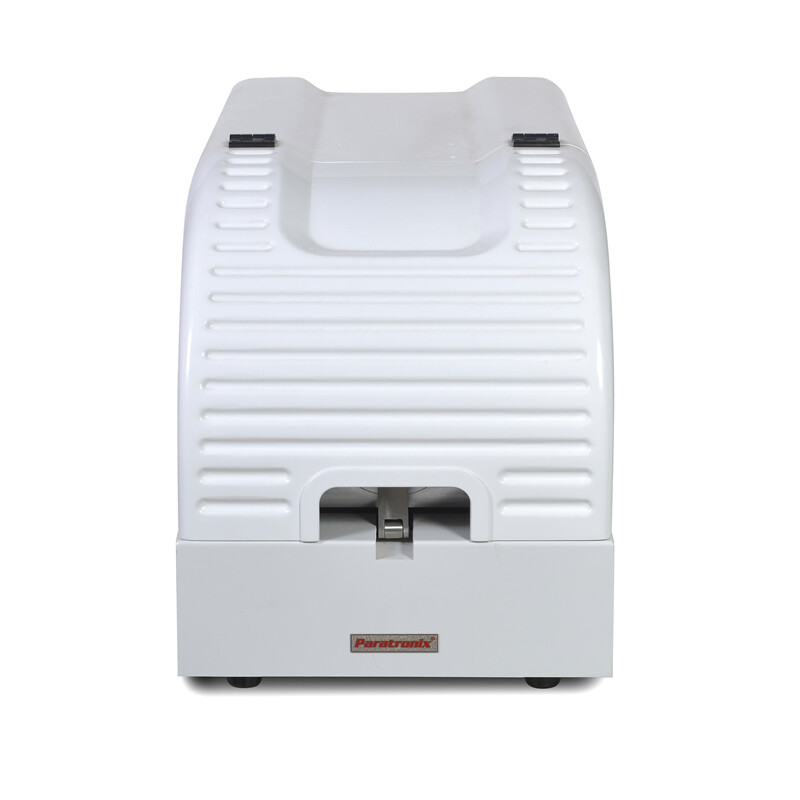
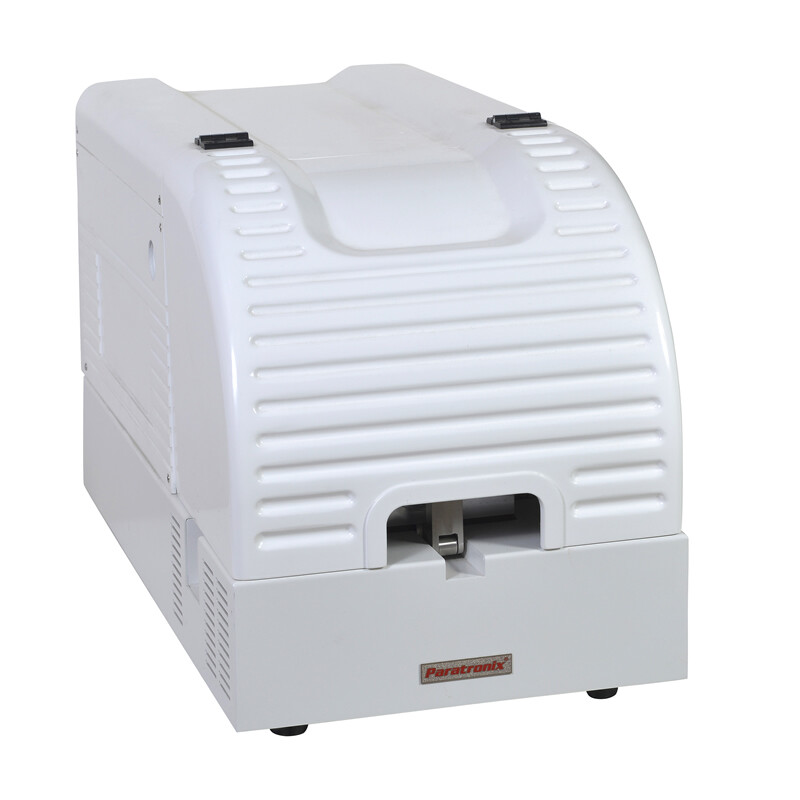
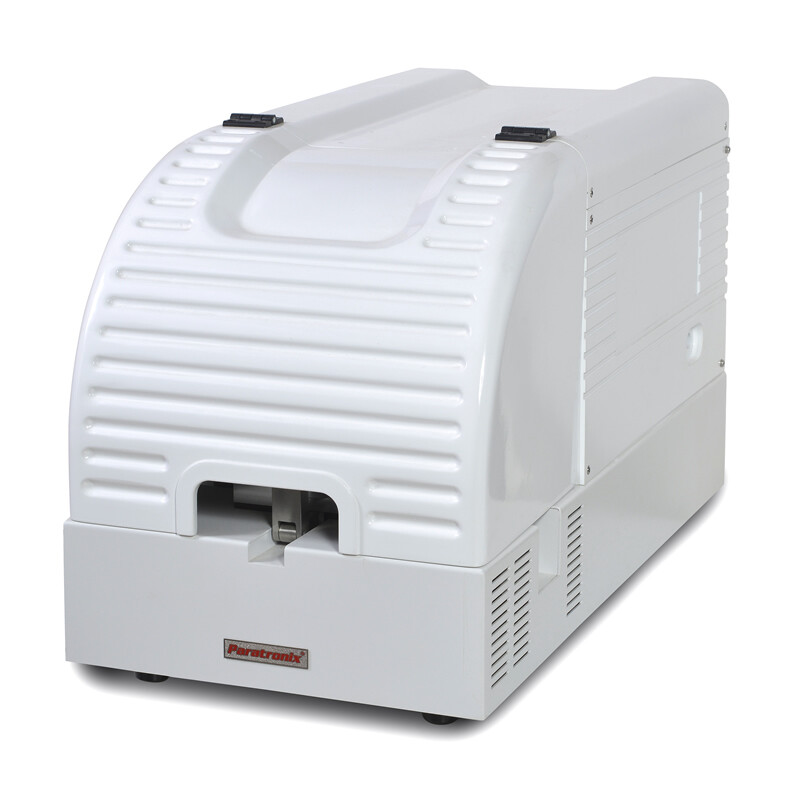
What An Oxygen Permeability Tester For Laminated Film Measures
An oxygen permeability tester for laminated film measures the movement of oxygen through a multilayer material under controlled conditions. The principal result is oxygen transmission rate, or OTR: the quantity of oxygen passing through a specified film area over a specified time. Results are commonly reported in cm³/(m²·day), with test temperature, relative humidity and oxygen partial pressure stated alongside the value. These conditions matter because a barrier result without them is difficult to compare or use in a specification.
Laminated films combine materials to provide properties such as sealability, strength, printability and gas barrier performance. An oxygen-sensitive food pouch, for example, may use a barrier layer between protective and sealing layers. The OTR describes the performance of the tested structure as a whole; it does not identify which layer caused a change. Converting OTR into a material permeability coefficient requires care because a laminate contains layers with different properties, and a simple thickness correction may be misleading.
A low film OTR can help reduce oxygen exposure, but it does not establish the shelf life of a finished package. Seals, pinholes, package geometry, storage conditions and residual oxygen also affect protection. Buyers should distinguish film barrier testing from package leak testing and from headspace oxygen measurement. Each answers a different quality question, and combining relevant methods provides a more useful picture of packaging performance.
How Oxygen Transmission Testing Works
In a typical test, a specimen separates two chambers. Oxygen or an oxygen-containing gas contacts one side, while the other side is monitored for oxygen that passes through the film. A controlled difference in oxygen partial pressure drives permeation. The instrument measures the resulting signal and calculates transmission rate using the exposed area and relevant test conditions. Reliable results depend on chamber sealing, stable temperature, suitable gas supply and a measurement period long enough for the selected method.
Coulometric sensor instruments measure oxygen reaching the detection side, commonly using a carrier gas to transport it to the sensor. ASTM D3985 and ISO 15105-2 describe film and sheeting methods using a coulometric sensor; the applicable edition and its scope should be checked before testing. Other oxygen-specific detection methods may be available. Their suitability depends on the required measurement range, humidity control and the standard or customer procedure governing the work.
Differential-pressure testing is another permeation approach: gas passes into a lower-pressure chamber and its pressure change is measured. ASTM D1434 addresses gas transmission through plastic film and sheeting using differential-pressure methods. A pressure signal can include contributions from gases other than oxygen, so gas purity, specimen conditioning and method assumptions matter. Results from different principles should not be treated as interchangeable without checking conditions, method requirements and agreement on representative samples.
Standards And Applications Across Packaging Markets
Food, pharmaceutical, medical device and industrial packaging teams use oxygen barrier data to compare materials and control production. Applications include screening new laminate structures, verifying incoming rolls and investigating a change in packaging performance. The appropriate OTR target comes from product sensitivity, package design, expected storage and distribution conditions. A demanding specification for one product may add unnecessary material or testing cost for another, so the limit should be linked to a documented packaging requirement.
Standards establish procedures and reporting conventions; they do not automatically establish a universal pass limit or guarantee market access. A buyer and supplier should agree on the standard and edition, specimen orientation, conditioning, temperature, humidity, test gas and acceptance criteria. Check whether the chosen method accommodates the expected barrier range and structure. For regulated products, also determine which packaging validation requirements and local regulations apply to the finished package and its intended use.
For a broader packaging quality program, paratronix lists water vapor permeability testers, leak and seal strength testers, and non-destructive micro-leakage testers among its testing equipment. These categories can complement oxygen barrier measurements: water vapor testing addresses moisture transmission, while leak and seal tests investigate package integrity. Ask paratronix to confirm available configurations and applicable methods for the specific material and package. Its supplied business-license identifier is Unified Social Credit Code 91370105689842696E; this identifies the business and is not a product certification.
How To Select A Tester For Laminated Film
Start with the expected OTR range, including the lowest value that must be quantified and the highest value likely during development or failure investigation. Request the instrument's stated measuring range, detection or quantification limits, and repeatability under conditions relevant to your films. Confirm whether the exposed area, specimen dimensions and sample thickness accommodate your materials. Highly impermeable laminates may require longer measurements or a more sensitive configuration, while very permeable films may exceed a given setup's range.
Next, assess control of temperature, humidity and test gases. Some barrier layers are sensitive to moisture, so dry-condition data may not represent performance in humid storage. Confirm available setpoints, control tolerances, gas purity requirements and whether humidity can be applied to the appropriate side of the specimen. Ask how the system verifies and records these conditions. For cross-site comparisons, matching the full test setup and procedure can be as important as choosing instruments with similar specifications.
Finally, match capacity and data handling to the laboratory workflow. Consider the number of independent test cells, operator time, expected test duration, report fields, data export and access controls. Ask about calibration or verification materials, installation requirements, training, service response and availability of consumables. Before purchase, provide representative film samples and request a documented demonstration or feasibility assessment. Review the results against your method and acceptance needs rather than selecting solely on a brochure specification.
Sample Preparation And Quality Control Workflow
Define a sampling plan that identifies the roll, batch, position and number of specimens. Handle films with clean tools and avoid folds, scratches and contamination in the exposed area. Follow the applicable method and internal procedure for conditioning; record the time and environmental conditions. Measure and document thickness where required, noting whether it is the total laminate thickness. For asymmetric structures, record which surface faces the oxygen side so later tests can reproduce the setup.
Inspect chamber surfaces and seals, mount the specimen without wrinkles, and use the prescribed clamping procedure. Perform the instrument's specified leak or system checks before relying on a result. Set gas flow, temperature and humidity according to the method, then allow the system and specimen to reach the required conditions. Follow the method's endpoint or steady-state criteria rather than assuming that every material reaches a valid result after the same interval.
Report the OTR with units, test method and edition, sample identification, exposed area, gas conditions, temperature, humidity and relevant conditioning details. Include replicate results and any departures from the procedure. An unexpected increase can indicate a real material change, but specimen damage, sealing problems or unstable conditions should also be investigated. Compare retained samples or verified reference materials when appropriate, and document the investigation before accepting or rejecting a production batch.
Maintenance Trends And Future Testing Needs
Maintenance intervals should follow the equipment manufacturer's instructions, laboratory quality system and actual usage. Typical activities include checking gas lines and seals, cleaning permitted contact surfaces, monitoring sensor performance and carrying out scheduled calibration or verification. Keep records of service, reference checks and corrective actions. A drift in reference results, longer stabilization time or repeated leak failures can justify earlier investigation. Confirm which components require replacement and whether service work affects qualification or test continuity.
Packaging development is increasing interest in recyclable or reduced-material structures, including alternatives to established multilayer combinations. Changes in resin, coating or layer structure can alter oxygen and moisture barrier behavior, especially under humidity and temperature variation. Testing plans should therefore cover the conditions relevant to the intended supply chain, not just one favorable laboratory setting. Results can support material screening, but package integrity and product stability still need separate evaluation.
Laboratories are also seeking more consistent data transfer, traceable records and efficient use of test cells. When considering automation, examine whether the instrument records actual conditions, flags interruptions and preserves the information needed for review. Digital features are useful only when the underlying method and sample preparation remain controlled. For an oxygen permeability tester for laminated film, prioritize reproducible measurements and serviceability before adding software features that the laboratory may not need.
Total Ownership Cost And Purchase Decisions
The purchase price is only one part of total ownership cost. Budget for installation, gases, regulators, filters, seals, reference materials, sensor-related consumables, calibration, training and service. Add laboratory utilities and the staff time required for preparation, monitoring and reporting. Where measurements take many hours, cell availability can determine whether the laboratory needs additional capacity. Obtain an itemized quotation and identify which accessories, software functions and first-year services are included.
Estimate return on investment using your own workload and quality risks. Compare the annual cost of outsourced tests, shipping and waiting time with the expected cost of in-house operation. Include benefits that can be supported by internal data, such as faster formulation screening or fewer delayed release decisions, while allowing for operator training and unused capacity. External laboratories may remain appropriate for occasional tests or independent verification, even when routine screening moves in-house.
Prepare a concise request for quotation listing film structures, expected OTR range, required standards and editions, test conditions, sample volume and reporting needs. Include the intended installation location and service expectations, then ask suppliers to identify any gaps or assumptions. Contact paratronix about its relevant testing equipment and confirm whether it can supply or support the oxygen testing configuration you need. Compare documented capabilities and lifecycle costs before making the purchase decision.
 What does an oxygen permeability tester measure in solar backsheets?Discover how an oxygen permeability tester for solar backsheet materials measures oxygen transmission, compares barrier performance, and supports quality control.
 What does ASTM F1927 require for oxygen sensor calibration?ASTM F1927 oxygen permeability tester calibration: discover how references, humidity control, verification, and records support reliable results.
 Can an ISO 15105-2 oxygen tester measure coated films?Can an ISO 15105-2 oxygen permeability tester measure coated films? Explore key test conditions, common pitfalls, and tips for reliable results.
 What does an ASTM F1307 oxygen permeability tester measure?Discover what an ASTM F1307 oxygen permeability tester measures, how package oxygen transmission rates are interpreted, and why test conditions matter.
Search by Keywords