




What Oxygen Barrier Testing Measures
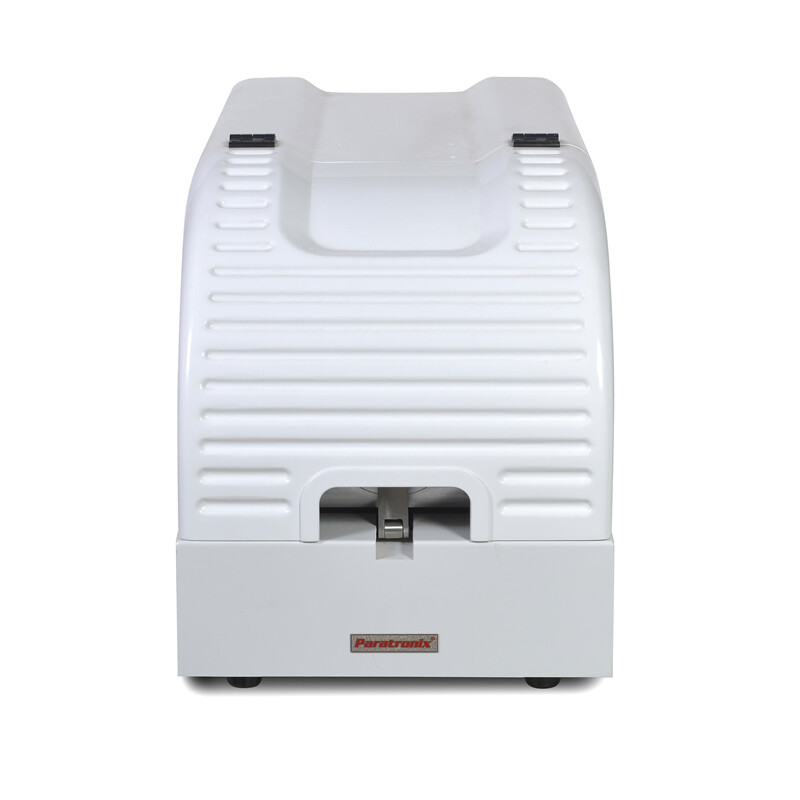
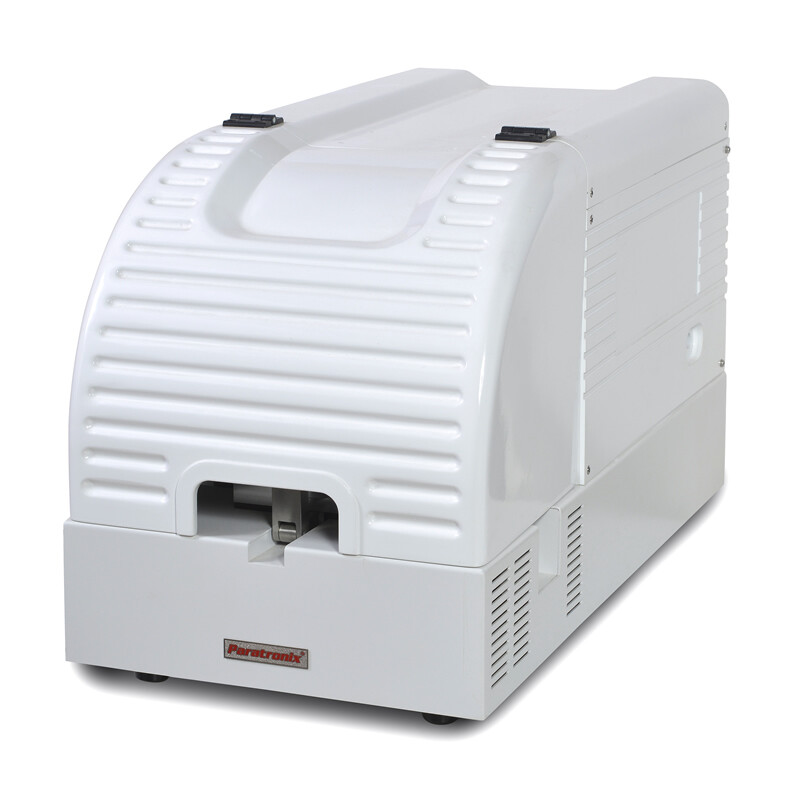
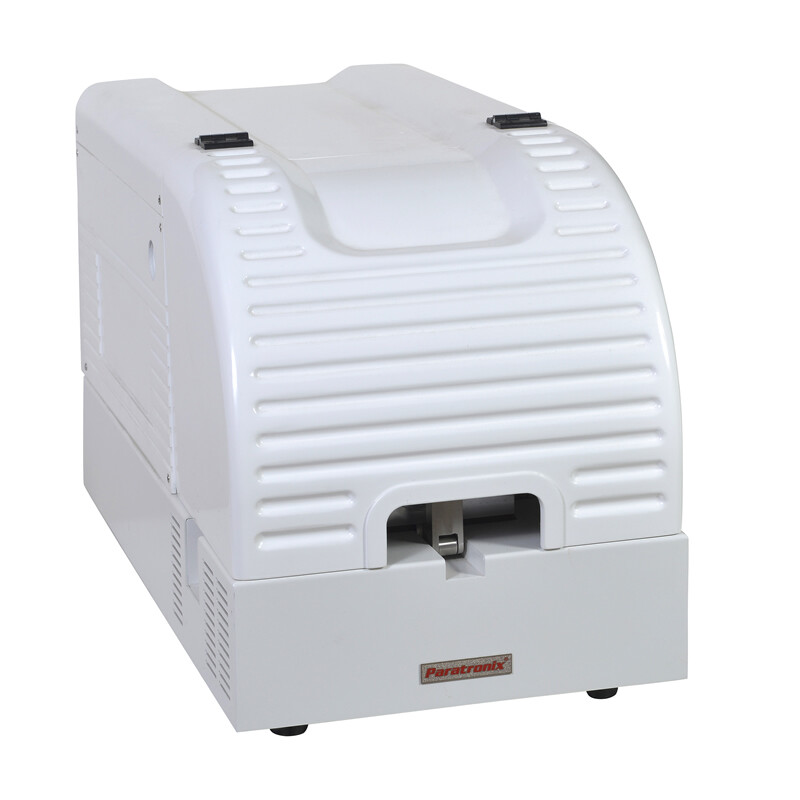
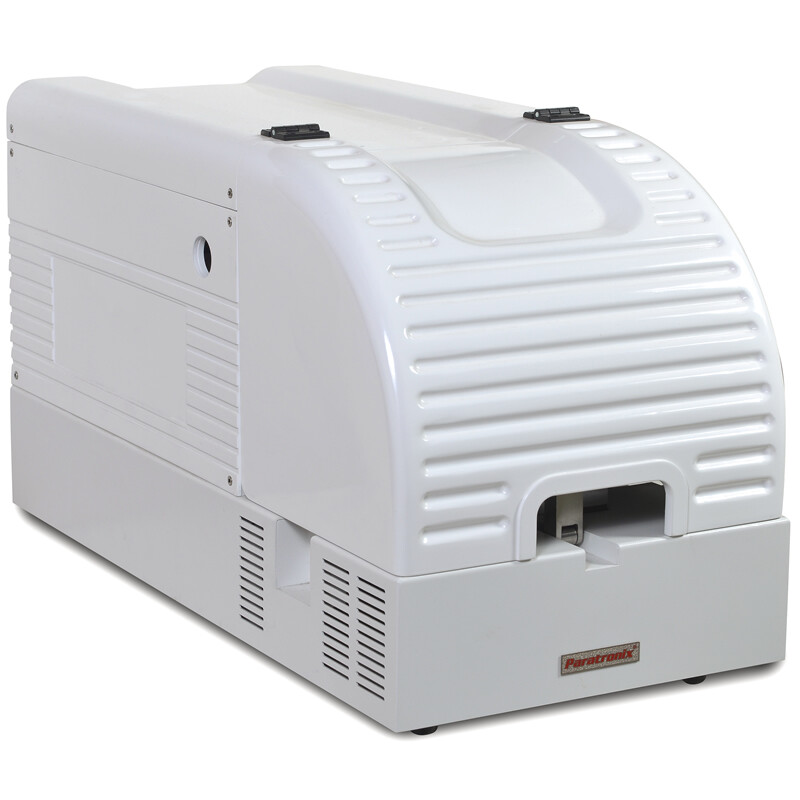
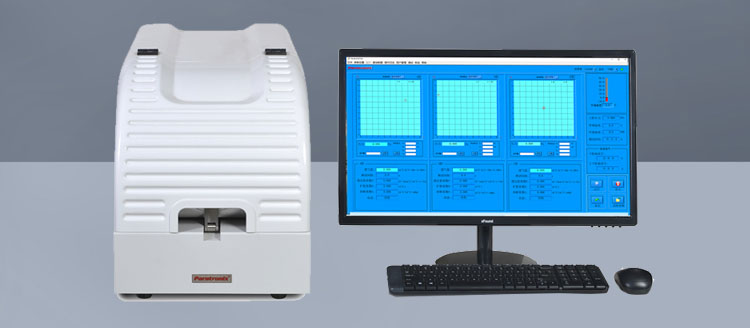
An oxygen permeability tester for pharmaceutical packaging measures the passage of oxygen through a material or, where the instrument and method permit, a finished package. Oxygen transmission rate, or OTR, expresses the amount passing through a defined area over time under specified conditions. Results help packaging teams assess whether a film, laminate, or container can protect an oxygen-sensitive product throughout its intended shelf life.
OTR is not an intrinsic number that applies unchanged in every situation. Temperature, relative humidity, oxygen partial pressure, specimen preparation, and test method can affect the result. Permeability describes a material property under defined assumptions and may be calculated from transmission data and thickness for suitable homogeneous materials. Multilayer structures and finished packs require careful interpretation because their behavior cannot always be reduced to one layer.
Barrier performance is one part of a pharmaceutical packaging assessment. Oxygen can also enter through defective seals, closures, or other leakage pathways, while oxygen already inside a package can affect the product. Material transmission testing therefore complements package integrity and product stability studies. Acceptance criteria should be based on the formulation, package configuration, intended storage conditions, and the manufacturer's documented risk assessment.
How Oxygen Transmission Testing Works
A common setup clamps a flat specimen between two chambers. One side is exposed to an oxygen-containing test gas, and the other is swept with a carrier gas or otherwise monitored for oxygen that passes through the material. The instrument tracks the oxygen signal until the required measurement conditions are reached. The reported rate depends on the exposed area, test duration, and the method used to calculate transmission.
Coulometric detection is widely used for low oxygen transmission measurements. In an applicable configuration, oxygen reaching the sensor produces an electrical response related to the amount detected. Other instruments may use different sensing technologies or pressure-based approaches. Buyers should compare the complete method, detection limits, gas requirements, and suitability for their samples instead of assuming that instruments with different principles produce directly interchangeable results.
Temperature and humidity control deserve particular attention for moisture-sensitive barriers. Some materials change oxygen transmission as humidity rises, and conditioning time can influence the measurement. Laboratories should specify conditions on both sides of the specimen where relevant, check for leakage around the test fixture, and document when a steady state or other method-defined endpoint has been achieved. Results without these details are difficult to compare.
Test Methods And Applicable Standards
ASTM D3985 describes oxygen gas transmission rate testing through plastic film and sheeting using a coulometric sensor under specified conditions. ASTM F1927 addresses oxygen transmission through barrier materials using a coulometric detector with controlled relative humidity. ISO 15105-2 covers an equal-pressure method for determining gas transmission rates of plastic film and sheeting. Confirm the current edition, scope, specimen requirements, and instrument compatibility before specifying a method.
Flat-film results support material screening and supplier comparison, but they do not automatically represent a sealed blister, pouch, bottle, or vial system. Finished-package measurements may require dedicated fixtures and a suitable method, such as ASTM F1307 for oxygen transmission through dry packages using a coulometric sensor. The method's applicability must be checked against the package design, test conditions, and intended measurement range.
Pharmaceutical teams should align method selection with applicable regulatory expectations and their own quality system; a material test standard alone does not establish product approval or package suitability. paratronix lists water vapor permeability testers, medical packaging physical performance testers, leak and seal strength testers, and non-destructive micro-leakage testers. These categories can complement oxygen barrier testing; availability and specifications of a suitable oxygen tester should be confirmed directly.
Applications And Users In Pharmaceutical Packaging
Packaging development teams use oxygen transmission data to compare candidate films and structures for oxygen-sensitive tablets, capsules, and other formulations. Blister lidding, thermoformed films, and flexible pouches can be screened before more extensive stability work. Comparing alternatives at relevant temperature and humidity conditions helps identify material changes that may affect protection, although the final decision also depends on sealing, compatibility, and product data.
Quality control laboratories and packaging suppliers may test incoming materials, production batches, or samples following a change in resin, coating, adhesive, or converting process. Contract laboratories can use a qualified method to generate independent data for their clients. Before setting release limits, the parties should agree on sampling locations, conditioning, units, test conditions, and how out-of-specification or atypical results will be investigated.
For finished packages, oxygen barrier testing is often considered alongside container closure integrity and seal strength testing. A low film OTR cannot rule out a leaking seal, and a leak test does not establish the transmission rate through intact material. The appropriate combination depends on the product and package. Teams planning global supply should also review destination-market requirements and maintain traceable test documentation.
How To Select An Oxygen Permeability Tester
Start with the samples and decisions the instrument must support. List material types, expected transmission ranges, specimen dimensions, and whether finished packages must be tested. Request the applicable measurement range and detection limit under the intended conditions, not just a headline specification. Very high barrier materials may require longer tests and careful control of background leakage, while highly permeable samples may require a different measurement range.
Next, compare temperature and humidity capabilities, gas supply requirements, test area, number of independent test stations, and available package fixtures. Ask whether conditions can be controlled on the relevant sides of the sample and whether multiple stations operate independently. For regulated laboratories, evaluate audit trails, user access, electronic records, data export, and validation support against the site's own procedures and applicable requirements.
Before purchase, request a demonstration using representative samples or a documented feasibility study. Review repeatability, turnaround time, consumables, calibration approach, service coverage, and the records supplied with the instrument. If comparing an oxygen permeability tester for pharmaceutical packaging with an existing method, plan a bridging study using matched specimens and conditions. Differences in conditioning, fixtures, or calculation can otherwise be mistaken for instrument bias.
Installation Operation And Quality Control
Installation begins with suitable utilities and a stable laboratory environment. Verify gas purity, pressure, electrical supply, ventilation, and any temperature or humidity requirements against the manufacturer's instructions. Document instrument configuration and perform installation and operational qualification where required by the quality system. Confirm that fixtures, seals, and sensors are appropriate for the selected method before testing production samples.
Prepare specimens without creases, pinholes, or contamination, and record orientation when the material is asymmetric. Condition samples as the method requires, measure thickness where relevant, and mount each specimen without damaging the exposed area. Include an appropriate blank or leak check and use reference materials or other controls when available and suitable. Record deviations, environmental conditions, test endpoints, and units with each result.
Establish calibration, preventive maintenance, and seal replacement intervals from the supplier's instructions, usage, and laboratory experience. Trending control results can reveal drift or fixture problems before they affect a batch decision. When a result is unexpected, investigate sample preparation, conditioning, gas supply, background leakage, and instrument status under a documented procedure. Retesting should follow predefined rules rather than simply replacing an unfavorable result.
Ownership Costs And Future Trends
Total ownership cost includes the instrument, installation, qualification, fixtures, training, and any software or data-management fees. Ongoing costs can include carrier and test gases, reference materials, seals, sensor maintenance, calibration, service visits, and operator time. Test duration also matters: a lower purchase price may be offset by limited throughput or lengthy measurements. Obtain a written quotation that separates initial costs from recurring charges.
Evaluate return on investment against the decisions the laboratory needs to make. Compare expected sample volume, outsourced testing charges, lead times, staffing, and the cost of qualification. Internal testing may improve scheduling and support faster investigations, while an external laboratory can be practical for occasional or specialized work. Use representative workload assumptions and include method transfer and maintenance costs before drawing a conclusion.
Future purchasing decisions are likely to reflect stronger interest in digital records, automated workflows, and barrier evaluation of revised packaging materials, including structures designed for improved recyclability. These changes still require evidence that protection and package integrity meet product needs. To discuss a testing workflow, provide paratronix with the material or package type, anticipated OTR range, required conditions, sample volume, and relevant standards, then confirm available equipment and support.
 How does an ASTM D3985 oxygen permeability tester work?Discover how an ASTM D3985 oxygen permeability tester measures film OTR, and learn what to consider when choosing equipment for reliable barrier testing.
 What does ASTM F1927 require for oxygen sensor calibration?ASTM F1927 oxygen permeability tester calibration: discover how references, humidity control, verification, and records support reliable results.
 Can an ISO 15105-2 oxygen tester measure coated films?Can an ISO 15105-2 oxygen permeability tester measure coated films? Explore key test conditions, common pitfalls, and tips for reliable results.
 Can an ISO 15105-2 oxygen tester measure high-barrier films?Can an ISO 15105-2 oxygen permeability tester measure your high-barrier film? Discover the sensitivity, test conditions and reporting limits that matter.
Search by Keywords