




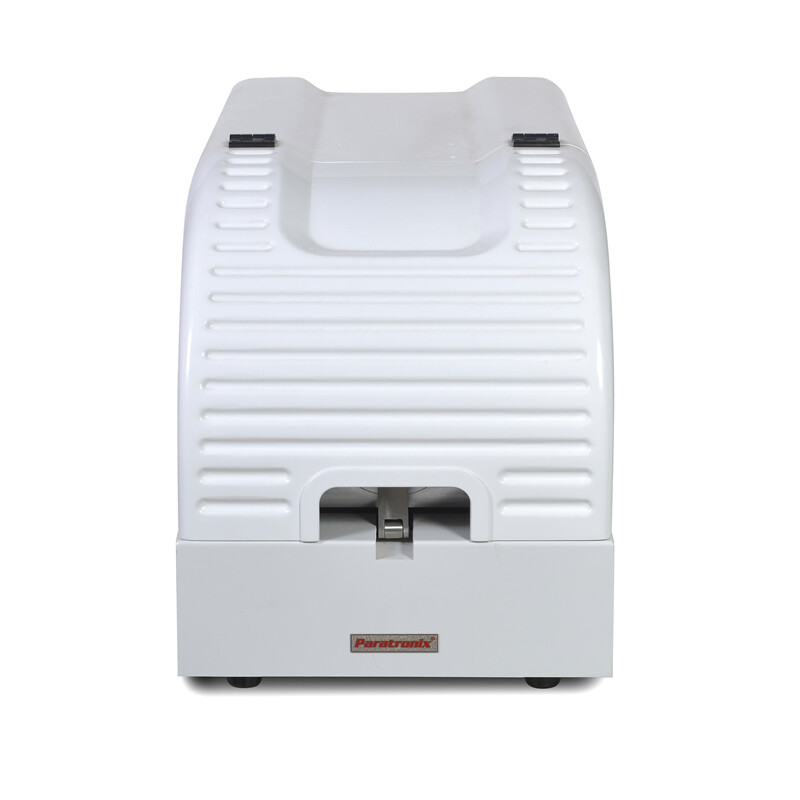
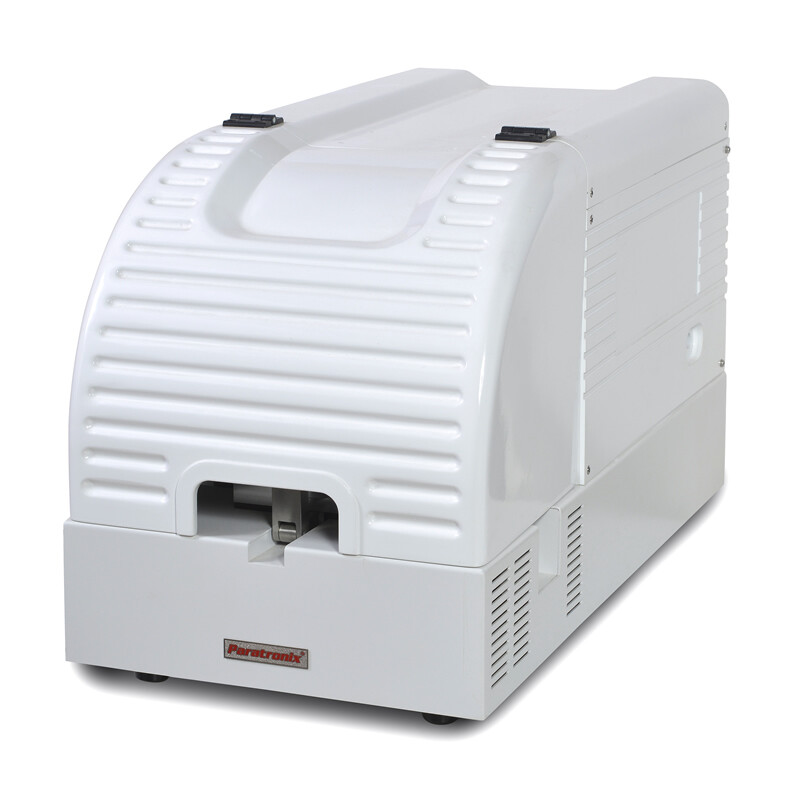
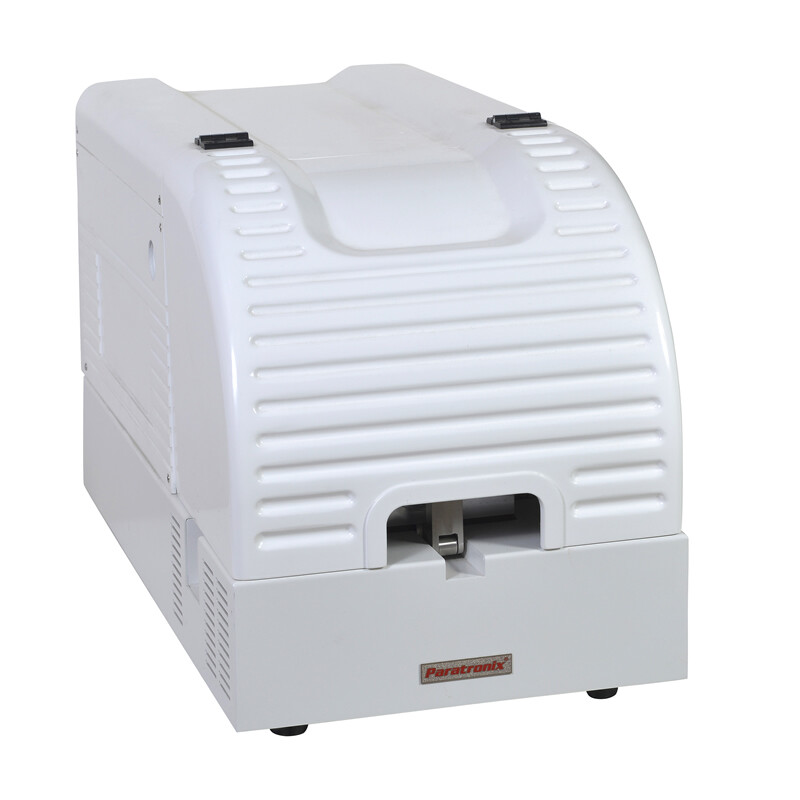
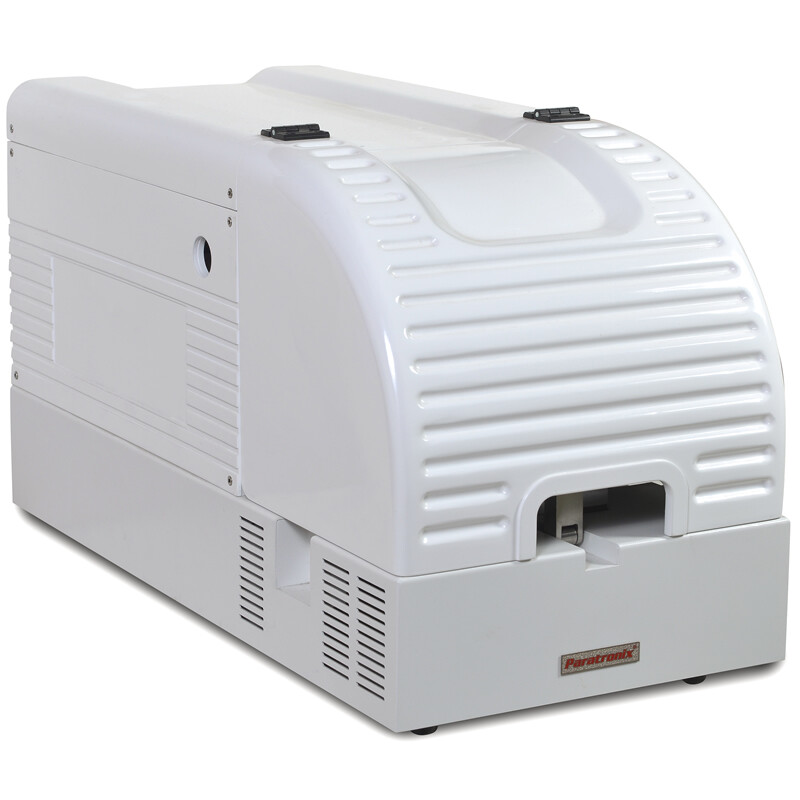
What Is An Oxygen Permeability Tester For Pouches?
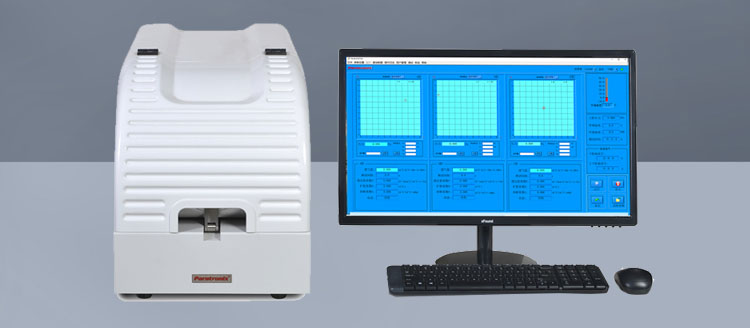
An oxygen permeability tester for pouches measures the rate at which oxygen passes into or through a flexible package under specified conditions. Oxygen transmission rate, or OTR, helps packaging teams assess whether a pouch can protect oxygen-sensitive contents throughout distribution and storage. Typical applications include roasted coffee, snacks, nutritional products, pharmaceuticals, and medical devices. The result describes performance under the test conditions; it is not, by itself, a guaranteed shelf life.
A complete pouch and a flat film specimen answer different questions. Film testing characterizes a defined area of material, usually reported as volume per area per day. Whole-package testing measures oxygen entering the finished package, commonly reported as volume per package per day. A finished pouch includes seals and may include fitments or closures, so its result cannot always be predicted reliably from the film result alone.
Results must include the relevant temperature, relative humidity, oxygen concentration or partial-pressure difference, and test duration. Report units and specimen configuration alongside each value. For film, thickness and exposed area are also useful; for a finished pouch, record its size, construction, seals, and any fittings. These details allow buyers and suppliers to interpret differences and identify whether results are suitable for comparison.
How Oxygen Transmission Testing Works
In a typical differential-concentration test, one side of the barrier is exposed to oxygen while the other is swept with an oxygen-poor carrier gas. Oxygen moving through the specimen reaches a sensor, which converts the measured amount into a transmission rate. The instrument must control or document the gas conditions and provide a suitable sealing arrangement around the film or package.
A coulometric sensor is commonly used for oxygen transmission testing. Other sensing approaches may be available, and their suitability depends on the measuring range, response, environmental controls, and applicable method. Very high barrier materials can require a long time to reach a stable reading. A low preliminary value should not be treated as a final result until the selected method's equilibrium or endpoint criteria are met.
For a finished pouch, sample preparation and fixture integrity matter as much as sensor sensitivity. The operator connects or mounts the package according to the instrument and method instructions, then checks the system for unintended leakage. Poor connections, contaminated surfaces, or a damaged specimen can raise the apparent transmission rate. Testing multiple representative samples helps separate process variation from a single abnormal result.
Test Methods And Relevant Standards
ASTM D3985 addresses oxygen gas transmission through plastic film and sheeting using a coulometric sensor. ASTM F1927 covers oxygen gas transmission through barrier materials using a coulometric detector with controlled relative humidity. ISO 15105-2 describes an equal-pressure method for determining gas transmission rate through plastic film and sheeting. Before specifying compliance, check the current edition, specimen requirements, test conditions, and the scope of each method.
ASTM F1307 addresses oxygen transmission rate through dry packages using a coulometric sensor. It is relevant when a buyer needs information about a finished container rather than a film specimen alone. Confirm that the pouch geometry, connections, and proposed procedure fit the method and instrument configuration. Compliance with a test standard does not itself establish that the package meets a product-specific acceptance limit.
For a broader package evaluation, paratronix offers water vapor permeability testers, leak testers, and leak and seal strength testers. These categories address different failure mechanisms alongside oxygen transmission testing. Ask paratronix which oxygen testing capabilities, fixtures, and applicable methods are available for the intended pouch; the supplied company information does not specify an oxygen tester model or its performance range.
Main Tester Types And Selection Criteria
Start by deciding whether the laboratory must test flat film, finished pouches, or both. Film cells support material development and incoming inspection, while whole-package fixtures help assess the assembled structure. A system intended for both uses needs appropriate accessories and validated procedures for each configuration. Check whether pouch dimensions, spouts, valves, closures, and seal geometry can be accommodated before comparing instrument prices.
Select a measuring range that covers expected values with a useful margin at both ends. Ask how the supplier defines detection limit, resolution, repeatability, and accuracy, including the conditions and reference materials used. A display with many decimal places does not establish measurement capability. For high barrier pouches, also evaluate expected stabilization time, background oxygen, and the effect of the fixture on low-rate measurements.
Temperature and humidity control should reflect the conditions needed for product development or customer specifications. Compare the number of test stations, whether they operate independently, gas consumption, sample preparation time, data export, and maintenance access. Request a demonstration using representative materials and a written quotation identifying included fixtures, software, calibration provisions, training, and any recurring consumables.
Applications And Purchase Requirements
Food and beverage packaging teams use OTR data when comparing laminates, qualifying suppliers, or investigating oxidation-related quality changes. Pharmaceutical and healthcare teams may use barrier data as part of a wider package qualification program. An oxygen permeability tester for pouches is also useful to converters and independent laboratories that need documented comparisons between production lots or proposed material changes.
Testing is particularly useful when a pouch changes from one film structure to another, when seal parameters are adjusted, or when a new closure is introduced. A material with a promising film OTR can still produce variable finished-package results if assembly changes the effective barrier. Pair transmission measurements with appropriate seal strength or leak investigations to identify where further process work is needed.
For international supply chains, agree on the method and acceptance criteria before collecting samples. The purchase specification should identify the test standard and edition, sample conditioning, temperature, humidity, reporting units, number of specimens, and decision rule for results near a limit. Market access requirements depend on the product and destination; a test method alone should not be presented as universal regulatory approval.
Installation Quality Control And Maintenance
Before installation, confirm the laboratory's power, environmental conditions, gas supply, ventilation, and working space against the supplier's instructions. Establish a documented procedure for sample handling, conditioning, mounting, and data review. Train operators to recognize damaged pouches and incorrect connections. If specimens are prepared by heat sealing in the laboratory, record the equipment and seal settings so that results can be interpreted consistently.
Use checks appropriate to the instrument and method, which may include a system blank, leak checks, and a suitable reference material. Maintain traceable calibration where required by the laboratory's quality system, and investigate results that fall outside established control limits. Record fixture changes, sensor service, gas changes, and environmental deviations. Do not compare results from different methods or conditions without assessing their effect.
Maintenance intervals should follow the manufacturer's instructions and actual usage rather than a universal schedule. Budget for seals, filters, sensors, calibration services, and software support where applicable. Review instrument suitability when the product range, required reporting limit, test standard, or throughput changes. Periodic operator training and documented troubleshooting can reduce avoidable retests and improve confidence in purchasing decisions based on the data.
Ownership Costs And Future Trends
Total ownership cost includes the instrument and fixtures, installation, training, carrier and test gases, consumables, calibration, maintenance, and operator time. Sample preparation and the time required to reach a valid endpoint also affect capacity. Compare quotations on the basis of a realistic annual sample volume and required turnaround time, including the cost of additional stations or fixtures needed for different pouch designs.
To assess return on investment, compare the cost of in-house testing with current external laboratory fees, freight, waiting time, and retesting. Include the value of faster development decisions only where it can be estimated credibly. A shared laboratory or outsourced service may remain appropriate for low sample volumes. For higher volumes, reliable scheduling and easier investigation of production changes may support an internal purchase.
Demand for recyclable and material-efficient pouch structures is increasing the need to verify barrier performance after design changes. Laboratories are also evaluating digital records, automated workflows, and coordinated oxygen, moisture, seal, and leak testing. When contacting paratronix, provide the pouch construction, dimensions, expected OTR range, required standard, test conditions, and monthly sample volume. Request a configuration and documented specifications matched to those requirements.
 How does an ASTM D3985 oxygen permeability tester work?Discover how an ASTM D3985 oxygen permeability tester measures film OTR, and learn what to consider when choosing equipment for reliable barrier testing.
 What does ASTM F1927 require for oxygen sensor calibration?ASTM F1927 oxygen permeability tester calibration: discover how references, humidity control, verification, and records support reliable results.
 Can an ISO 15105-2 oxygen tester measure coated films?Can an ISO 15105-2 oxygen permeability tester measure coated films? Explore key test conditions, common pitfalls, and tips for reliable results.
 What does an ASTM F1307 oxygen permeability tester measure?Discover what an ASTM F1307 oxygen permeability tester measures, how package oxygen transmission rates are interpreted, and why test conditions matter.
Search by Keywords