




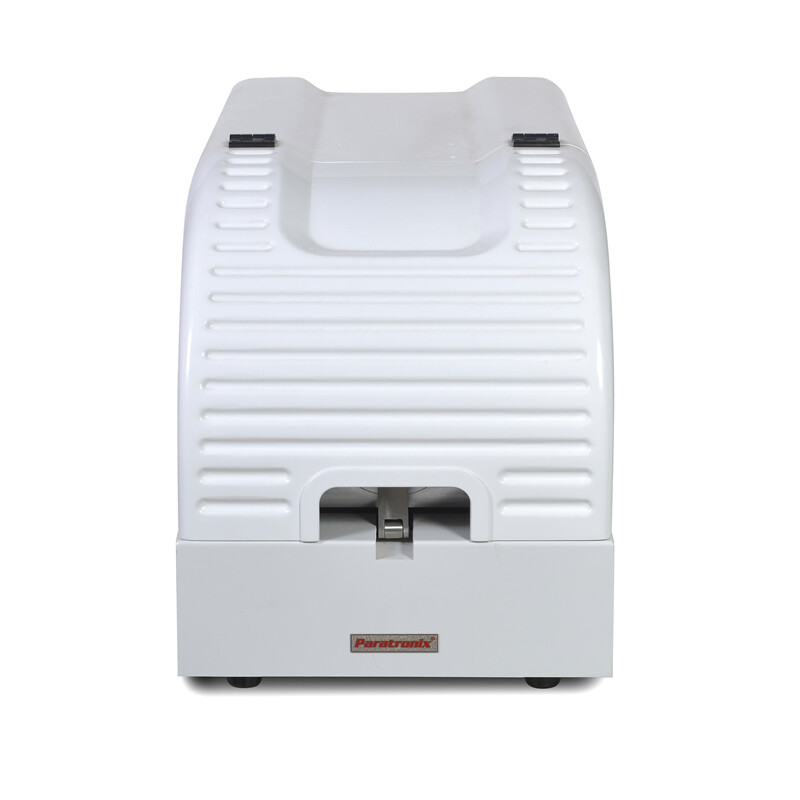
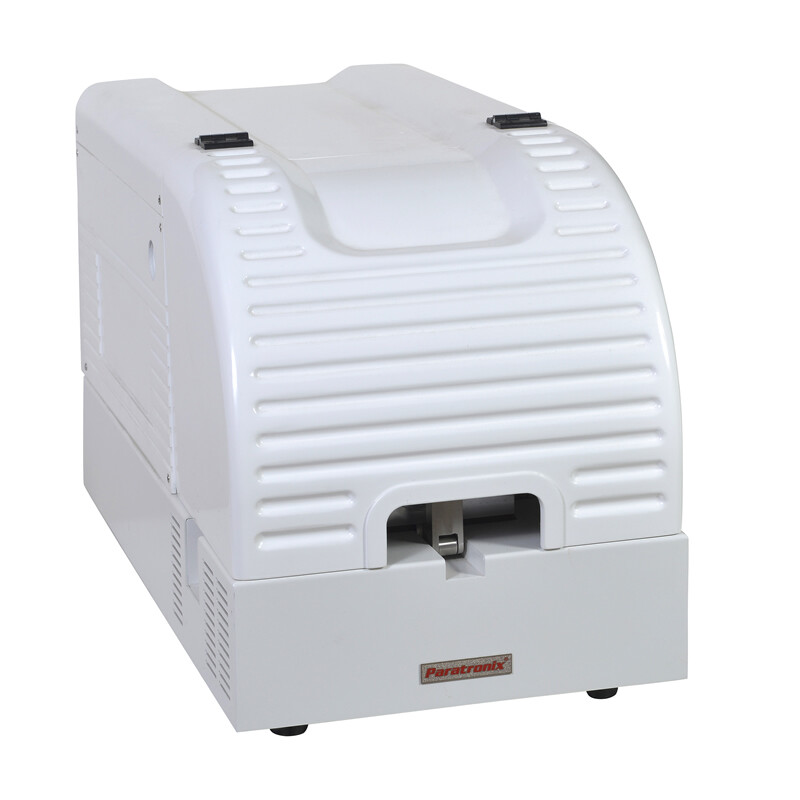
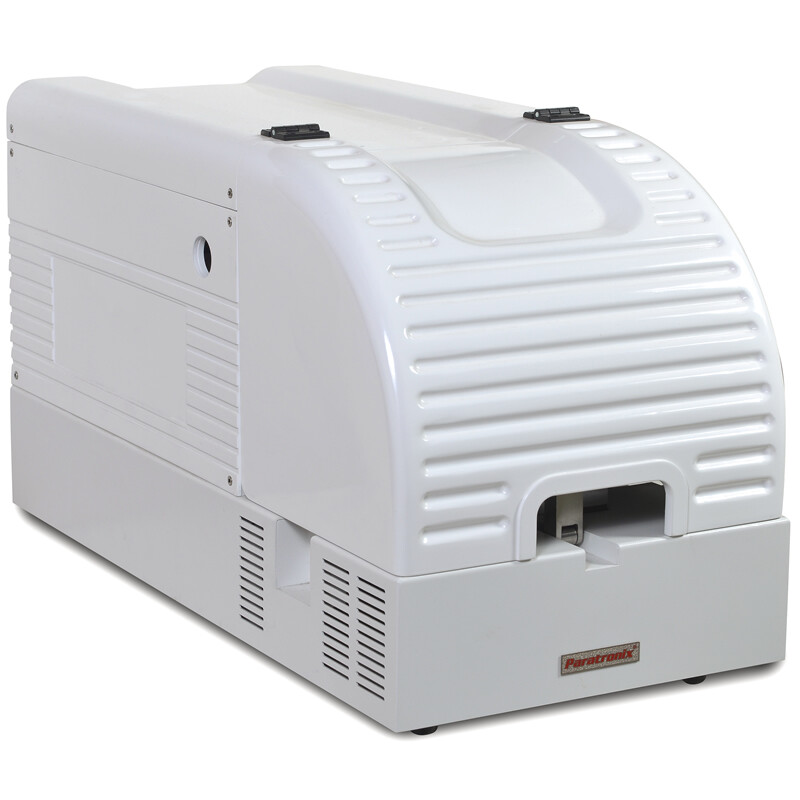
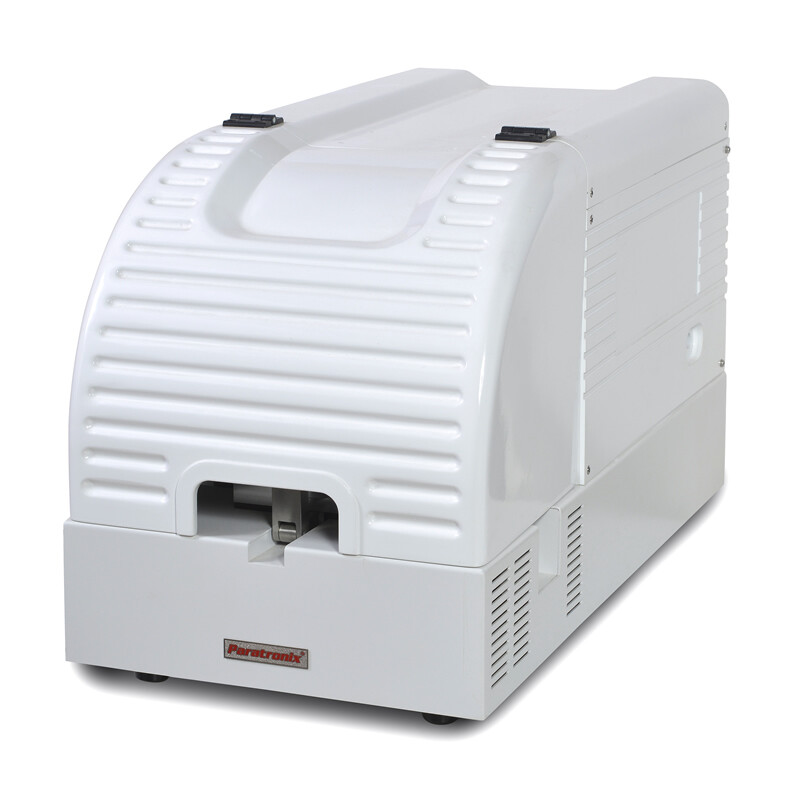
What Oxygen Barrier Testing Measures
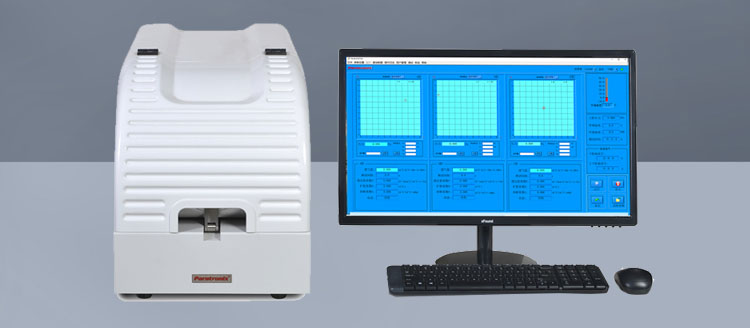
An oxygen permeability tester for blister packaging measures oxygen transmission through a packaging material or, where the equipment and method allow, into a finished package. Oxygen entering a blister can contribute to oxidation of sensitive medicines, potentially affecting potency, appearance, or shelf life. Testing helps packaging teams compare materials and control barrier performance. It does not, by itself, establish a medicine's shelf life: formulation stability, moisture, light, seal integrity, and storage conditions also influence the outcome.
For flat films, oxygen transmission rate, or OTR, is commonly reported as the volume of oxygen passing through a specified area in a specified time under stated conditions, such as cm³/(m²·day). A result may also state the oxygen partial pressure difference. Material permeability is a different property that relates transmission to specimen thickness and the pressure difference under defined assumptions. Compare results only when units, temperature, humidity, pressure conditions, and calculation conventions are compatible.
Blister systems usually combine a formed cavity with a lidding material and a heat seal. A flat-sheet result describes the tested material, while a whole-package result reflects the complete test system and may include transmission through several components and the seal region. The distinction matters when comparing PVC-based structures, coated films, multilayer laminates, and aluminum-based blisters. Forming can change local thickness, so incoming film data alone may not represent the barrier of a formed cavity.
How Oxygen Transmission Testing Works
In a typical film test, a specimen separates a chamber with a higher oxygen partial pressure from a carrier-gas chamber with a lower oxygen partial pressure. Oxygen moves through the material, and a detector measures the amount reaching the receiving side. The instrument monitors the signal as it approaches a stable rate, then calculates transmission using the exposed area and method conditions. Conditioning and equilibration are essential because temperature, humidity, and previous exposure can change the measured behavior.
Coulometric detection is widely used for oxygen transmission measurements; ASTM D3985 describes a coulometric method for plastic film and sheeting under specified conditions. ASTM F1927 addresses oxygen transmission through barrier materials using a coulometric detector with controlled relative humidity. ASTM F1307 covers oxygen transmission rate through dry packages using a coulometric sensor. Confirm the current edition, scope, specimen requirements, and applicability before writing a protocol or claiming compliance with any standard.
An oxygen permeability tester for blister packaging may use a film cell, a package fixture, or another validated arrangement. Flat-film testing supports material screening and incoming inspection; package testing addresses a more complete configuration but requires suitable sealing, internal volume, and sample preparation. Method capabilities vary by instrument. Ask suppliers to explain the detector, calibration approach, detection range, humidity control, and whether their fixture and procedure are suitable for the actual blister geometry and expected barrier level.
Test Types And Related Packaging Checks
Choose a flat-film test when the decision concerns resin selection, coating consistency, supplier qualification, or lot-to-lot changes in an unformed material. Test the relevant layers and document their orientation, thickness, exposed area, and conditioning history. For formed cavities, consider whether a representative specimen can be mounted without damaging it or introducing edge leaks. Results from flat and formed samples can help identify how processing affects barrier performance, provided the methods and reporting conditions are documented.
A finished-package method is useful when the question concerns the complete blister design, including cavity, lidding, and seal. Its output may be expressed per package rather than per unit area, depending on the method. Very small internal volumes and high-barrier structures can make setup and measurement challenging. Agree on sample configuration, fixture compatibility, method blank, equilibration time, and acceptance criteria before comparing designs or transferring a method between laboratories.
Oxygen transmission and package integrity answer related but different questions. A leak test investigates pathways through which a package may exchange gas or liquid; seal strength testing assesses mechanical seal performance. Water vapor transmission testing addresses moisture barrier rather than oxygen barrier. Paratronix lists water vapor permeability testers, leak testers, leak and seal strength testers, and non-destructive micro-leakage testers among its equipment. These categories can support a broader packaging evaluation; confirm individual instrument capabilities and applicability with the supplier.
Where Testing Supports Packaging Decisions And Standards
Pharmaceutical manufacturers use barrier data during packaging development, material changes, supplier qualification, and ongoing quality control. Packaging converters can use it to compare structures and investigate process variation. Contract laboratories may need flexible fixtures and traceable records to serve several customers. Procurement teams benefit from specifying the intended sample and measurement range before requesting quotations, while quality and regulatory teams need a defensible link between the test method, acceptance limits, and the product's stability requirements.
Global market access depends on the medicine, destination, and applicable regulatory requirements; an ASTM test result alone is not a universal approval for a blister pack. A test plan may draw on relevant pharmacopoeial packaging provisions, stability guidance, and agreed material specifications alongside the selected transmission method. Check current requirements with the relevant authority and customer. Record the method edition and any justified deviations so results can be interpreted during supplier review, validation, or inspection.
A practical qualification program starts with the product's oxygen sensitivity and proposed storage conditions. Teams then screen candidate materials, assess the formed package, and pair barrier measurements with appropriate seal and integrity checks. After a change in film supplier, forming temperature, lidding, or sealing parameters, risk assessment determines which tests to repeat. Paratronix's listed water vapor and seal testing equipment may be relevant to that broader program; request specifications and sample feasibility information for each proposed test.
How To Select And Qualify An Instrument
Start with the expected OTR range and the decisions the result must support. The instrument's verified measurement range and sensitivity should cover the anticipated transmission rate with a useful margin, including very low values for high-barrier materials. Review repeatability, calibration procedures, baseline behavior, and the effect of fixture leakage. Ask for evidence obtained under conditions relevant to your samples, and check whether reported performance applies to films, packages, or both. Do not select solely on the lowest advertised detection limit.
Next, assess sample handling and environmental control. Confirm the available test area, number of cells, temperature range, relative humidity settings, carrier-gas requirements, and compatibility with blister dimensions. Establish whether the instrument can accommodate formed cavities or complete packs without compromising the test boundary. Ask about equilibration time, data export, user access controls, and audit-trail features if required by your quality system. A representative sample trial can reveal practical limitations before purchase.
Installation and qualification should follow a documented plan appropriate to the laboratory. Confirm utilities, gas quality, location, operator training, and the supplier's service support. Establish calibration and maintenance intervals from manufacturer instructions, usage, and internal risk assessment; there is no single interval suitable for every instrument. During method qualification, assess blanks, repeatability, sample preparation, and acceptance limits. Retain raw data and investigate outliers or drift before releasing results for a purchasing or quality decision.
Costs Maintenance And Future Testing Trends
Total ownership cost includes the instrument, suitable fixtures, installation, operator training, gases, consumables, calibration materials, preventive maintenance, and service. Also consider software, qualification documentation, sample preparation, and laboratory space. Test duration affects capacity: high-barrier samples may require longer conditioning or measurement, depending on the method and equipment. Compare quotations against an anticipated annual sample volume and required turnaround time, including the cost of repeat tests and any external laboratory work still needed.
Estimate return on investment using the decisions the laboratory expects to make: reduced external testing spend, faster material screening, or earlier identification of unsuitable packaging. Assign realistic values and include staff time and ongoing support rather than assuming every test creates savings. An external laboratory may remain suitable for occasional measurements; in-house equipment can be more attractive when sample volumes, confidentiality, or development schedules justify it. Revisit the calculation after a representative feasibility study and supplier quotation.
Packaging teams are also evaluating recyclable structures and alternatives to established high-barrier laminates, making reliable comparisons across new materials increasingly valuable. Digital records and automated workflows may improve traceability where properly implemented, while demand for sensitive measurements continues as products and package designs evolve. To discuss a testing program with paratronix, prepare the blister dimensions, material structure, expected barrier range, test conditions, required standards, sample volume, and any water vapor or seal testing needs.
 Does ASTM D3985 apply to oxygen transmission testing of solar backsheets?Choosing an oxygen permeability tester for solar backsheet evaluation? Discover when ASTM D3985 applies and how to obtain reliable OTR results.
 What does an oxygen permeability tester measure in solar backsheets?Discover how an oxygen permeability tester for solar backsheet materials measures oxygen transmission, compares barrier performance, and supports quality control.
 What does ASTM F1927 require for oxygen sensor calibration?ASTM F1927 oxygen permeability tester calibration: discover how references, humidity control, verification, and records support reliable results.
 Can an ISO 15105-2 oxygen tester measure coated films?Can an ISO 15105-2 oxygen permeability tester measure coated films? Explore key test conditions, common pitfalls, and tips for reliable results.
Search by Keywords