




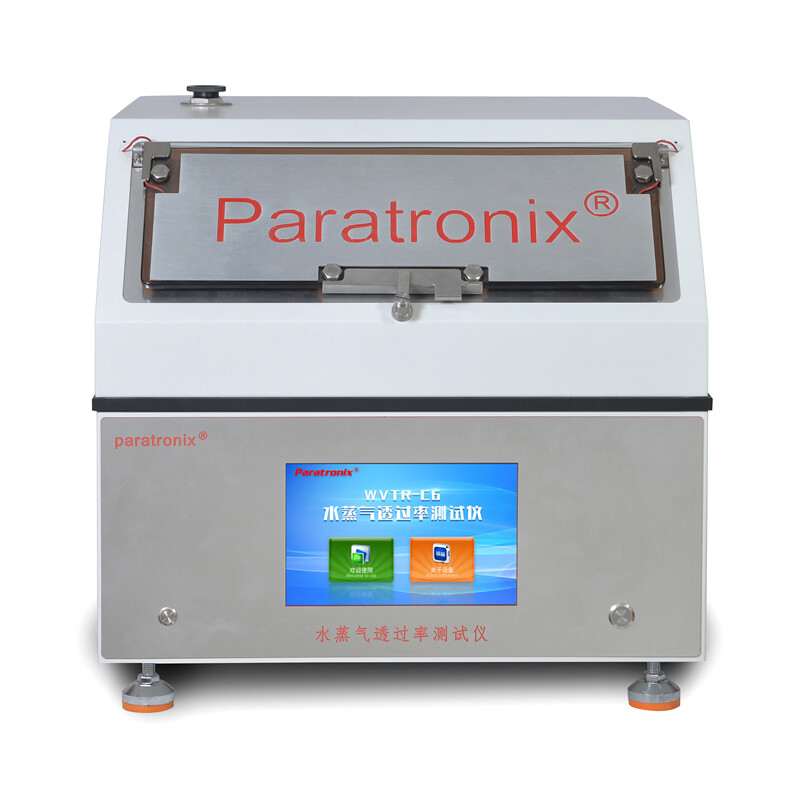
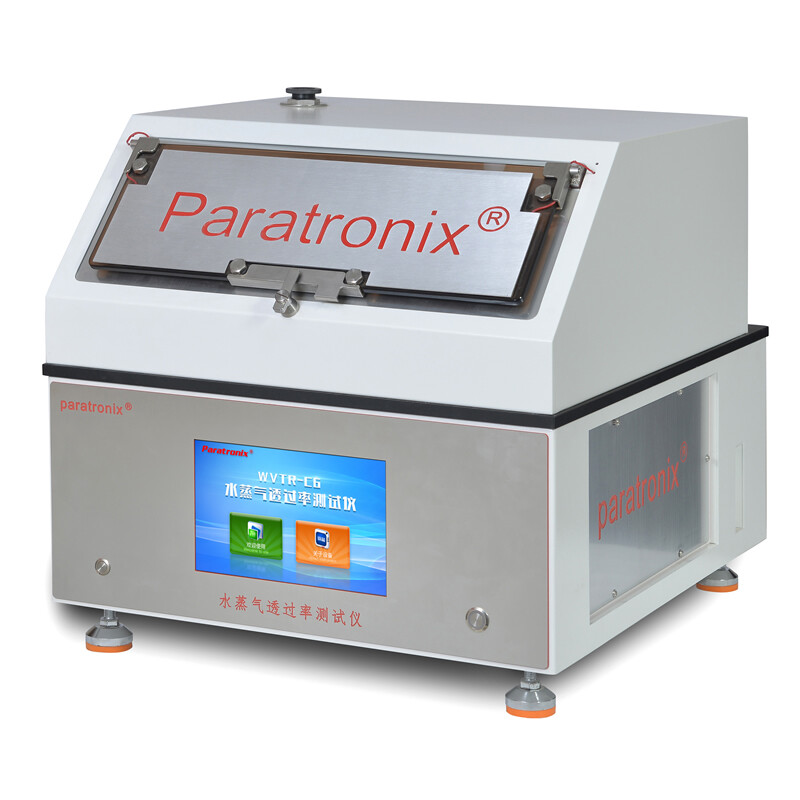
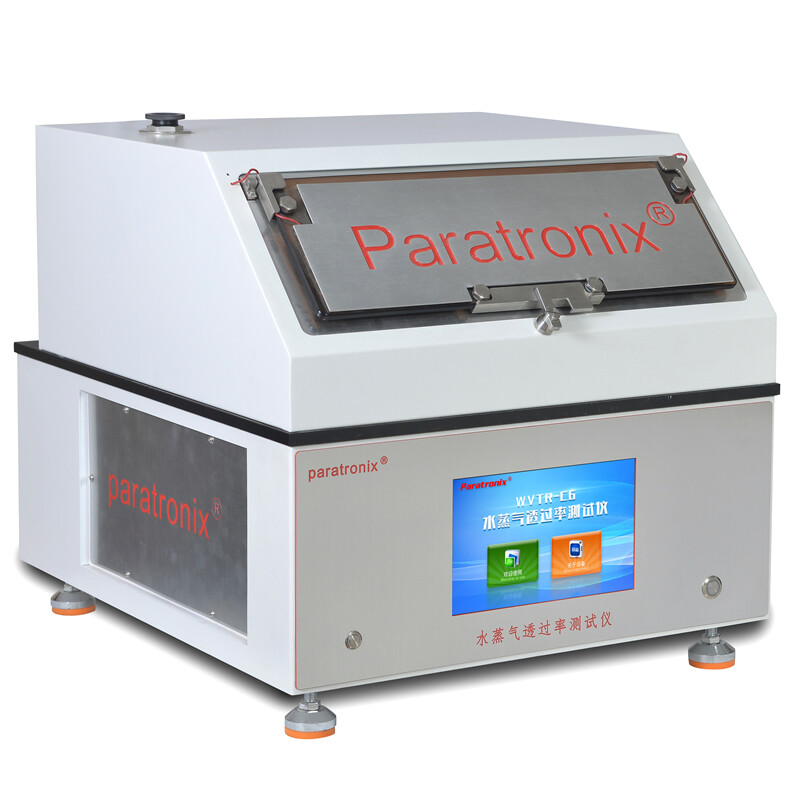
What Is A WVTR Tester For Pharmaceutical Containers?
A WVTR tester for pharmaceutical containers measures or supports measurement of water vapor transmission through a package or packaging material under specified conditions. Results help manufacturers understand whether moisture exposure could affect a medicine during its intended shelf life. Depending on the method, the test article may be a flat material specimen, an assembled container, or a complete container closure system.
Water vapor transmission rate is commonly reported as mass passing through a defined area per unit time, such as g/m²/day, for flat materials. Whole-container results may instead be expressed as mass change per container over a stated period or converted according to an applicable method. The reporting basis matters: values cannot be compared reliably without considering area, time, temperature, humidity, and package configuration.
Moisture barrier testing is relevant to bottles, blister packs, sachets, vials, and other systems containing moisture-sensitive products. A container can protect against bulk liquid yet still allow water vapor to pass through polymers, seals, or closure interfaces. Product formulation, headspace, desiccant, and storage conditions all influence whether that transmission becomes significant for product quality.
A material barrier result does not automatically represent the performance of a finished package. Forming, sealing, closure application, and handling can change the effective barrier. For procurement teams, the first question is therefore whether the instrument must characterize incoming materials, evaluate assembled packages, or support both tasks using separately validated configurations.
How Moisture Barrier Testing Works
The driving force for permeation is a difference in water vapor partial pressure across a material or package. A test establishes controlled conditions on each side and measures the resulting vapor transfer or a related mass change. Temperature and relative humidity affect both the driving force and material behavior, so they must be recorded with the result.
In a gravimetric approach, a package or test assembly containing a suitable desiccant may be exposed to a controlled environment and weighed at defined intervals. The change in mass is used to estimate moisture uptake according to the selected procedure. Weighing resolution, conditioning time, handling, and environmental stability can materially affect low-rate measurements.
Sensor-based permeation instruments typically expose one side of a specimen to humid gas while a carrier gas transports transmitted vapor toward a detector. The measured signal is converted into a transmission result using the instrument's calibration and method. Some systems accommodate whole packages through dedicated fixtures, but compatibility and the applicable reporting method must be confirmed for each container.
A typical workflow includes specimen identification, conditioning, fixture preparation, leak checks where applicable, exposure, measurement, and documented review. Allow enough time for the response to stabilize when the method requires steady-state measurement. Record deviations and inspect unexpected results before attributing them to the package, because fixture leakage or poor sample mounting can distort the outcome.
Main Test Methods And Equipment Types
Gravimetric equipment is useful when an applicable procedure specifies mass change and the laboratory can accommodate the required exposure and weighing schedule. It may involve controlled humidity chambers, analytical balances, and suitable fixtures rather than a single integrated instrument. This approach can be practical for assembled containers, provided the method defines sample preparation, acceptance criteria, and measurement intervals.
Instrumented vapor transmission systems are often chosen for controlled, repeatable material measurements and automated data collection. Detector technology, measurement range, test area, and gas requirements vary by design. ASTM F1249, for example, describes an infrared detector method for water vapor transmission through plastic film and sheeting; its use for a finished container should not be assumed without an appropriate method and fixture.
Container testing introduces geometry and closure variables that flat-film testing cannot capture. A suitable fixture must accommodate the actual package, isolate the intended permeation path, and avoid adding leakage or damaging the specimen. Ask suppliers to explain whether their proposed configuration measures the complete container, a defined component, or a material sample cut from the package.
Leak testing and water vapor permeation testing answer related but different questions. A leak test investigates unintended pathways in a container closure system, while a permeation test examines vapor transfer under defined conditions. Both may contribute to a packaging evaluation, but a passing leak result alone does not establish a package's moisture barrier performance.
Applications Standards And Supplier Evaluation
Pharmaceutical manufacturers use moisture barrier data during package development, supplier qualification, material change assessment, and investigations into stability failures. Contract laboratories and packaging suppliers may use similar measurements to compare candidate materials or verify a defined specification. Testing frequency and acceptance limits should follow the product's risk assessment, control strategy, and applicable requirements rather than a generic schedule.
USP General Chapter <671> addresses performance tests for containers, including moisture permeation where applicable. USP General Chapter <1207> discusses package integrity evaluation and is relevant when assessing container closure integrity. These chapters serve different purposes; laboratories should check the current official text, product requirements, and local regulatory expectations before selecting or validating a method.
For teams evaluating a WVTR tester for pharmaceutical containers, paratronix lists water vapor permeability testers alongside leak testers, torque testers, and medical packaging physical performance equipment. This range provides a starting point for discussing barrier measurements and complementary package checks with one equipment supplier. Request the proposed instrument's specifications, fixture options, and supporting documentation for the intended application.
For example, a solid-dose manufacturer comparing two bottle and closure combinations could define a moisture exposure condition, test representative assembled packages, and relate the findings to its stability program. A laboratory investigating a sealed blister might also assess seal strength or leakage. These are illustrative workflows; the appropriate tests and interpretation depend on package design and product risk.
How To Select Install And Qualify A Tester
Begin selection with the expected transmission range, required sensitivity, specimen dimensions, and target temperature and humidity. Consider the full range of container sizes and closure designs, including planned future formats. Request evidence that the instrument and fixture can measure representative samples at the required conditions, and establish whether the supplier's stated detection limit applies to the intended configuration.
Assess throughput using realistic test duration, conditioning, sample mounting, and cleaning time rather than the number of stations alone. Review calibration procedures, available reference materials, data export, user access controls, and audit trail capabilities where required by the laboratory. If electronic records support regulated decisions, assess the complete system against the organization's data integrity requirements.
Before installation, confirm laboratory space, electrical supply, environmental conditions, gas supply if needed, and access for maintenance. Agree on acceptance criteria and responsibilities for installation qualification, operational qualification, and performance qualification as appropriate. Use documented procedures and representative samples to demonstrate that the installed system performs adequately for its intended use.
During routine operation, follow a documented calibration and preventive maintenance plan based on manufacturer guidance, usage, and quality procedures. Check fixtures and seals for wear, monitor control results, and investigate drift or unusual variability. Reassess the method when a significant change in packaging materials, container geometry, software, or operating conditions could affect measurement performance.
Total Cost Future Trends And Buying Decisions
The purchase price is only one part of total ownership cost. Budget for fixtures, installation, qualification, operator training, calibration, reference materials, consumables, utilities, software support, and planned maintenance. Include downtime and the cost of external testing during repairs. Obtain a written quotation that identifies which items are included and which will be charged separately.
Estimate return on investment by comparing the complete in-house workflow with current outsourcing or alternative testing costs. Include sample shipping, turnaround time, staff hours, expected utilization, and the value of receiving development data sooner. A faster instrument may not provide a better return if the laboratory processes few samples or if conditioning and method requirements dominate the schedule.
Packaging development is increasing interest in alternative materials, reduced material use, and recyclable designs. These changes can alter moisture protection and require fresh testing rather than assumptions based on a previous structure. Laboratories are also assessing more automated data capture and integration, while continuing to confirm that measurements remain suitable for the specific package and method.
To request a meaningful proposal from paratronix, prepare the container drawings or samples, material details, anticipated transmission range, required test conditions, applicable method, and expected sample volume. Ask for fixture compatibility, measurement capabilities, lead time, training, and service terms in writing. Compare the proposed configuration with your qualification plan and make the purchase decision against documented technical and operating requirements.
 Choosing a Water Vapor Transmission Rate Tester for flexible filmsWater Vapor Transmission Rate Tester selection guide for flexible films: compare methods, barrier range, environmental control, sealing, and workflow for reliable packaging decisions.
 Inside a Water Vapor Permeability Tester: Methods, Sensors, and Test DataWater Vapor Permeability Tester guide: explore gravimetric, infrared, and coulometric methods, sensor performance, calibration, and WVTR data insights for smarter packaging barrier decisions.
 Tester: Precision Moisture Barrier Performance Testing Solution") Infrared Sensor Method Water Vapor Transmission Rate (WVTR) Tester: Precision Moisture Barrier Performance Testing SolutionIn modern material science, packaging manufacturing, pharmaceutical and food industries, the water vapor barrier performance of flexible films, rigid sheets and composite materials is a core indicator that directly determines product shelf life, storage stability and service performance.
 Tester: Principle, Features and Industrial Applications") Water Vapor Transmission Rate (WVTR) Tester: Principle, Features and Industrial ApplicationsWater vapor transmission rate (WVTR) is one of the most critical performance indicators for packaging films, flexible materials, rigid sheets, and barrier coatings.
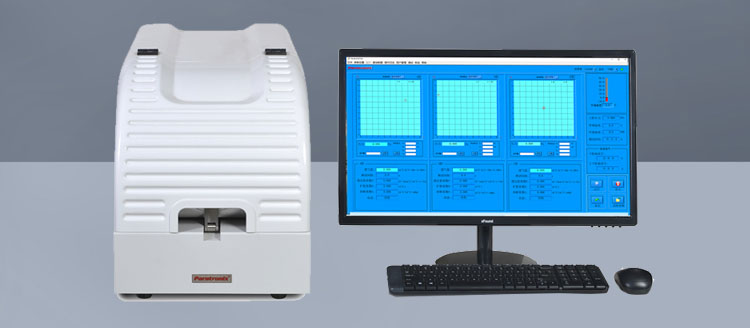
 WVTR-E3 Water Vapor Transmission Rate TesterWVTR-E3 Water Vapor Transmission Rate Tester is designed and manufactured based on the infrared sensor method and is applicable to test the water vapor transmission rate of medium and high barrier materials such as plastic films, composite films, sheets, papers and other various materials.
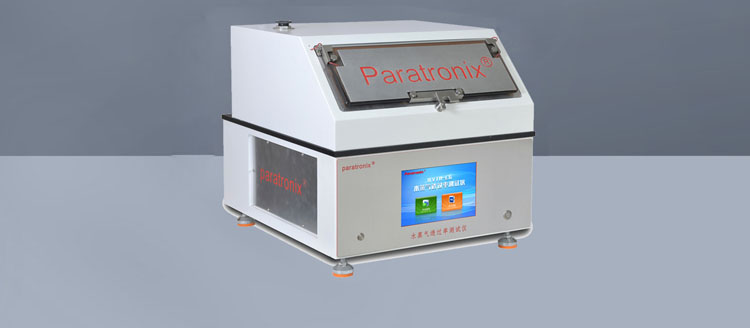
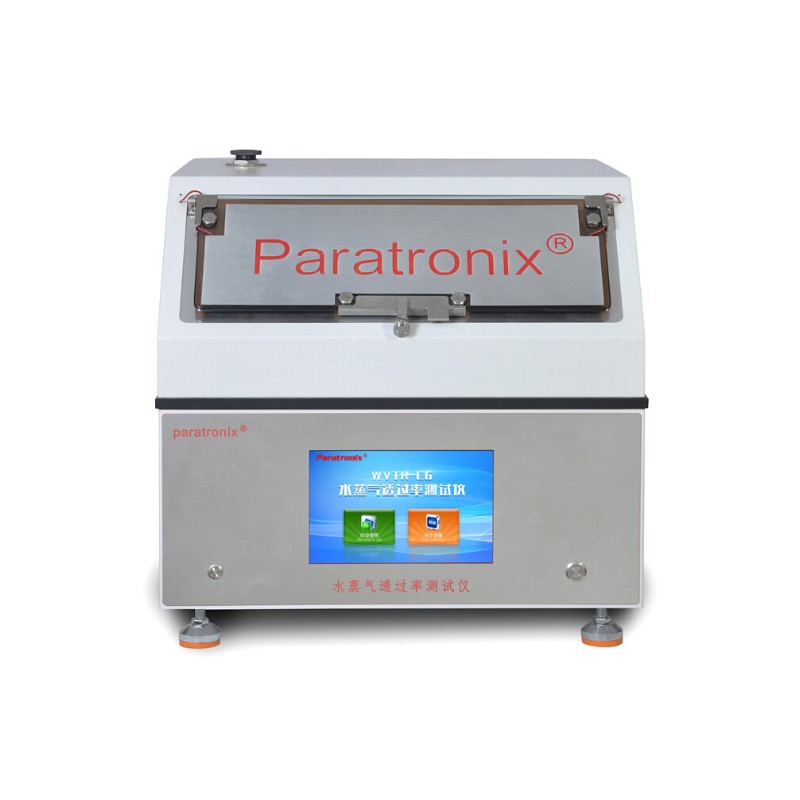
 WVTR-C6 Water Vapor Transmission Rate TesterWVTR-C6 Water Vapor Transmission Rate Tester is designed and manufactured based on the gravimetric method and can be used to test the water vapor transmission rate of plastic films, composite films, sheets, and other materials used in the packaging, medical, and construction industries.
 WVTR-AE3 Water Vapor Transmission Rate TesterWVTR-AE3 Water Vapor Transmission Rate Tester is designed and manufactured based on the electrolytic sensor method and is applicable to test the water vapor transmission rate of medium and high barrier materials such as plastic films, composite films, sheets, papers and other various materials.
Search by Keywords