




What A Water Vapor Transmission Rate Tester Measures
A Water Vapor Transmission Rate Tester measures the rate at which water vapor passes through a material under specified conditions. WVTR is commonly reported in grams per square meter per day, expressed as g/m²/day. The result helps manufacturers assess how effectively a film, sheet, coating, or laminate slows moisture transfer. A lower value generally indicates a stronger barrier under the stated test conditions, but the number alone does not describe every aspect of packaging performance. Temperature, humidity, specimen construction, and the test method all influence its interpretation.
The driving force for transmission is a difference in water vapor partial pressure across the specimen. Vapor moves through the material from the higher-pressure side toward the lower-pressure side, while the instrument or operator measures the amount transferred over time. Test conditions therefore form part of the result: a value obtained at one temperature and humidity gradient should not automatically be compared with a value obtained under different conditions. Some materials also respond differently when their orientation or exposure history changes.
WVTR testing serves packaging converters, food and pharmaceutical manufacturers, medical device suppliers, material developers, and independent laboratories. It supports material screening, supplier qualification, process monitoring, and investigation of barrier changes after processing. For finished packages, film testing should be considered alongside seal integrity and leak testing because a sound material can still be compromised by a defective closure. The appropriate combination depends on the product, package design, risk assessment, and applicable regulatory requirements.
ASTM And ISO Methods Explained
ASTM E96/E96M and ISO 2528 describe gravimetric approaches for determining water vapor transmission through sheet materials. In a cup test, the specimen seals an opening between environments with different vapor pressures. The mass of the assembly changes as moisture passes through the specimen, and measurements over time are used to calculate transmission. Desiccant and water procedures create different exposure arrangements. Select the procedure and conditions that match the material and the decision being made, and consult the applicable edition for specimen preparation and calculations.
ASTM F1249 describes an instrumental method using a modulated infrared sensor to measure water vapor transmission through plastic film and sheeting. ISO 15106-2 also addresses an infrared detection method for plastic film and sheeting, while ISO 15106-3 describes an electrolytic detection method. In an instrumental test, a controlled humidity difference is established across the specimen, and a detector measures transmitted vapor. These methods have their own apparatus, conditioning, calibration, and reporting requirements; the shared objective does not make their results automatically interchangeable.
A standard designation alone is not a complete purchasing specification. Confirm the current edition, material scope, specimen dimensions, required temperature and relative humidity, expected measurement range, and reporting rules with the laboratory or customer. ASTM and ISO documents may be referenced in contracts and technical specifications, but a test result does not by itself establish regulatory approval or market access. Ask paratronix to confirm which procedures and test conditions its WVTR-AE3, WVTR-E3, and WVTR-C6 models can support before selecting a configuration.
How Gravimetric And Instrumental Testing Work
Gravimetric testing uses mass change as the measurement signal. Its equipment can be relatively straightforward, making the approach useful for materials that transmit enough moisture to produce a measurable change within the required period. However, the balance, exposed area, sealing method, environmental control, and weighing schedule all affect data quality. Very high barrier materials can require long test periods because the mass change is small. Edge leakage or moisture uptake by the assembly can also distort results if the procedure is poorly controlled.
Instrumental systems use a sensor to detect water vapor transferred through a mounted specimen. Depending on the method and instrument, an infrared or electrolytic detector may be used. Controlled test cells and automated data collection can reduce manual handling and provide a practical workflow for laboratories processing multiple samples. Performance still depends on correct calibration, stable temperature and humidity, effective sealing, and a measurement range suited to the material. Automation does not remove the need to verify method compliance or investigate abnormal results.
Before comparing methods, define a representative material set and document the conditions for each test. Differences in humidity gradient, specimen orientation, conditioning, exposed area, and treatment of the measurement period can produce different numerical results. Where a customer specification names a method, use that method or agree on a documented alternative before releasing product. For method changes, a laboratory can run a comparison study using representative low, medium, and high barrier materials and establish acceptance criteria appropriate to its own application.
Applications And Test Planning
Food packaging teams use WVTR data to compare films intended to protect moisture-sensitive products, such as dry powders or crisp foods. Pharmaceutical and medical packaging teams may evaluate materials as part of a broader package qualification program. Electronics and other moisture-sensitive goods can also require barrier assessment. The target WVTR depends on product sensitivity, shelf life, package geometry, storage environment, and other protective features. A film result supports these decisions but does not independently predict the shelf life of a completed package.
Plan sampling around the decision. Material development may require several constructions and processing conditions, while incoming inspection may focus on agreed supplier specifications and representative lots. Record film thickness, layer structure where known, specimen orientation, conditioning time, and any visible defects. Use replicate specimens when the applicable method or quality plan requires them. For asymmetric laminates, identify which surface faces the higher humidity, since reversing the specimen can affect the outcome for some constructions.
For packaging investigations, combine barrier measurements with tests that address the likely failure path. paratronix lists water vapor permeability testers alongside leak testers, leak and seal strength testers, and non-destructive micro-leakage testers. A laboratory can use this equipment category comparison to discuss a workflow covering both material transmission and package integrity. The exact tests, applicable standards, and instrument capabilities should be selected for the package and verified with the supplier; no single test establishes that every failure mode has been addressed.
How To Select And Qualify A Tester
Start with the range of WVTR values expected from actual materials, including the lowest value the laboratory must distinguish reliably. Request the instrument's measurement range, detection capability, accuracy or uncertainty information, and the conditions under which those claims apply. Check whether temperature and humidity control cover the required methods and customer specifications. Specimen size, cell area, sample thickness, available test stations, and compatibility with irregular or delicate materials also affect suitability. Ask for written method compatibility rather than assuming a model supports every ASTM or ISO procedure.
Next, examine installation and daily operation. Confirm utility needs, environmental limits, operator training, software functions, data export, and access to calibration or reference materials. Ask how seals are inspected, how leaks are checked, and what maintenance the detector and test cells require. A qualification plan can include installation checks, verification against suitable reference materials, repeatability studies, and testing of known production samples. Set acceptance criteria before testing and retain records that connect each result to its specimen, method, conditions, and instrument status.
Compare suppliers using a written request that includes material types, expected barrier range, throughput, working conditions, and reporting needs. Ask paratronix for current specifications and quotations for the WVTR-AE3, WVTR-E3, and WVTR-C6 where relevant; the model names alone do not establish sensor type, performance, or standard compliance. Request details of service availability, spare parts, training, and calibration support in the installation region. For supplier identification, paratronix has provided business license information under Unified Social Credit Code 91370105689842696E.
Total Cost And Future Trends
Total ownership cost includes more than the purchase price. Budget for installation, operator time, utilities, reference materials, calibration, preventive maintenance, replacement seals, software support, and repairs. Depending on the instrument and method, sensor servicing and consumables may also be material costs. Test duration and the number of usable stations affect laboratory capacity, while sample preparation and investigation of failed tests consume staff time. Request an itemized quotation and service schedule so competing systems can be evaluated over the same ownership period.
Estimate return on investment using the laboratory's own workload and costs. Compare the annual cost of outsourced testing or existing internal testing with the expected operating cost of the proposed system, then include the initial investment and any change in staffing. Consider potential benefits from shorter decision cycles and improved control of testing schedules, but treat avoided delays and reduced scrap as assumptions until supported by operational data. Include the cost of retaining external testing where an independent result or a different method is still required.
Future demand is likely to reflect continued development of recyclable packaging structures, thinner materials, and more demanding barrier applications. Laboratories may also seek better data traceability and more efficient handling of multiple specimens. As materials and specifications change, review whether the instrument's measurement capability, available methods, software, and service support remain suitable. Maintain a scheduled calibration and preventive maintenance program based on the manufacturer's instructions, applicable standards, and laboratory risk assessment, and review procedures whenever the relevant standard edition or customer requirement changes.
 Choosing the Right Water Vapor Transmission Rate Tester: Pharmaceutical Packaging LabsWater Vapor Transmission Rate Tester built for pharma labs: unmatched RH recovery, foil-safe clamping & FDA-ready traceability. See why Paratronix sets the standard.
 Comparing Gravimetric, Coulometric, and Modulated IR WVTR TestersWater Vapor Transmission Rate Tester comparison: gravimetric vs. coulometric vs. modulated IR for flexible food packaging—speed, accuracy & real-world reliability.
 Choosing a Water Vapor Transmission Rate Tester for flexible filmsWater Vapor Transmission Rate Tester selection guide for flexible films: compare methods, barrier range, environmental control, sealing, and workflow for reliable packaging decisions.
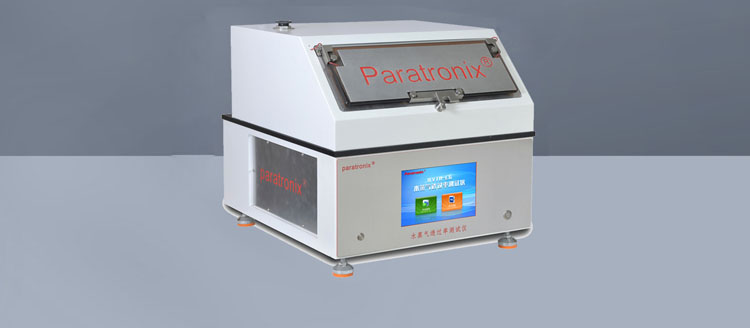
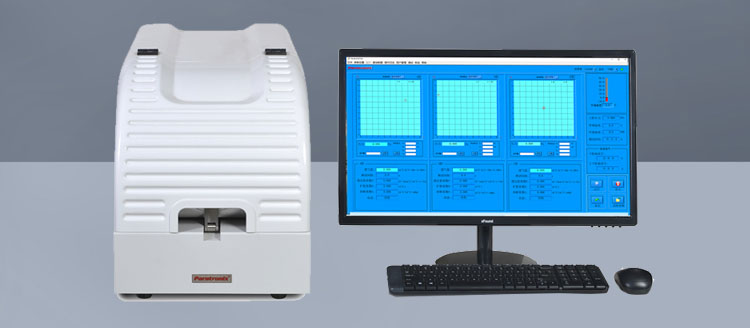
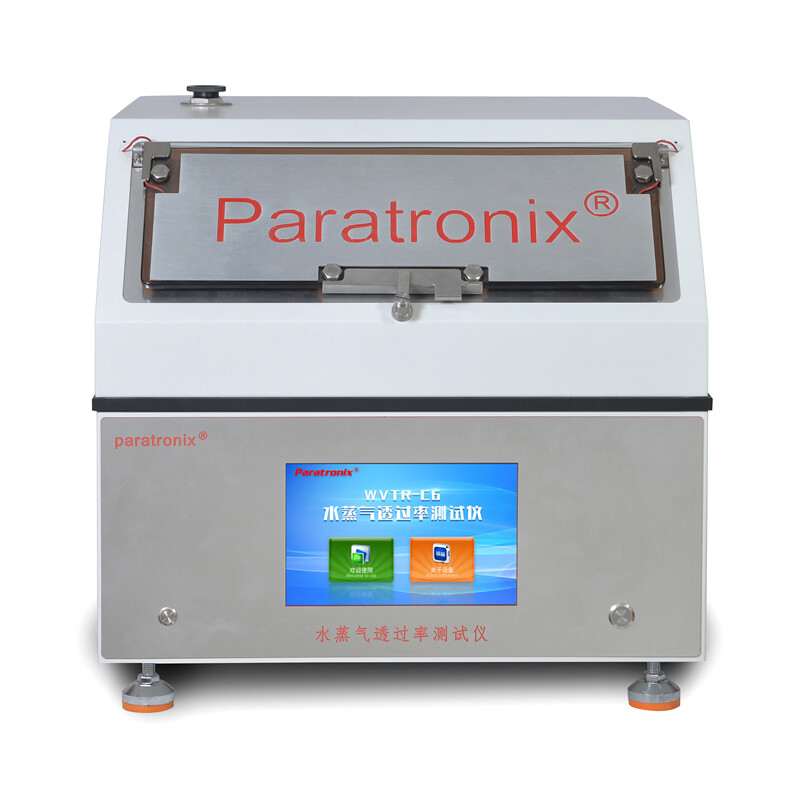
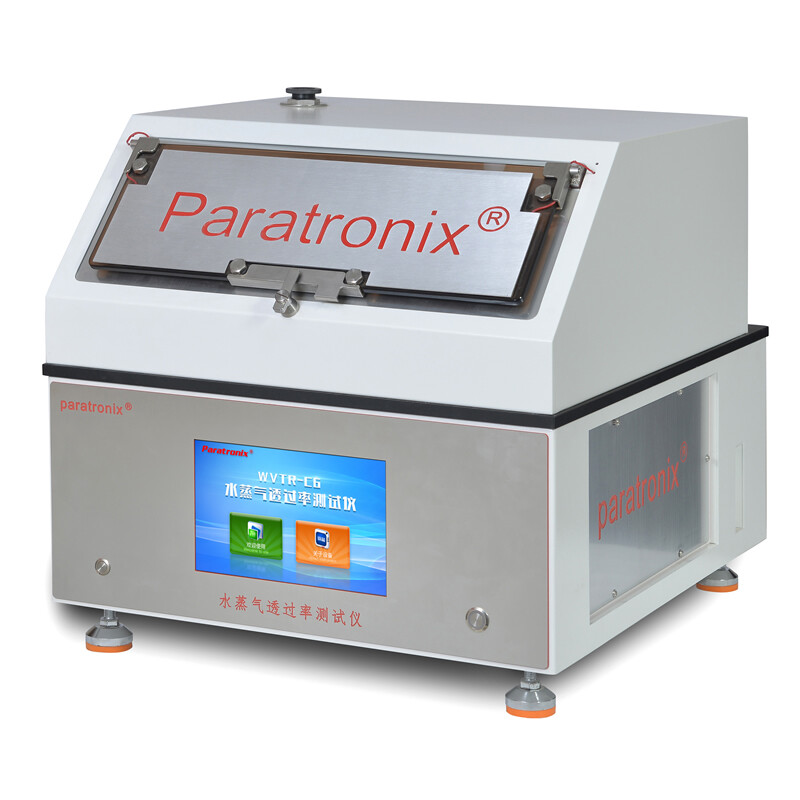
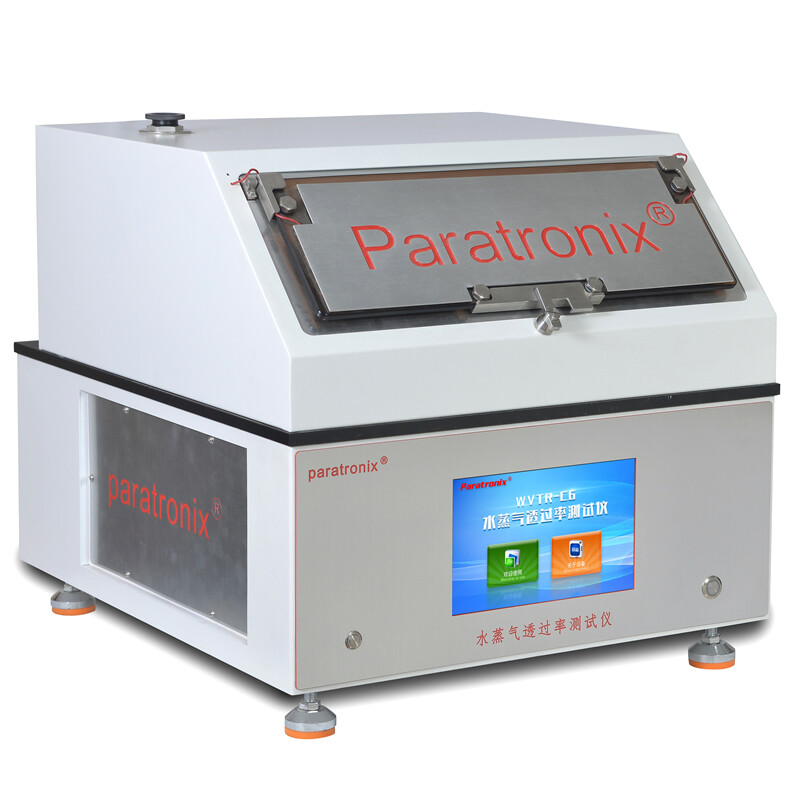
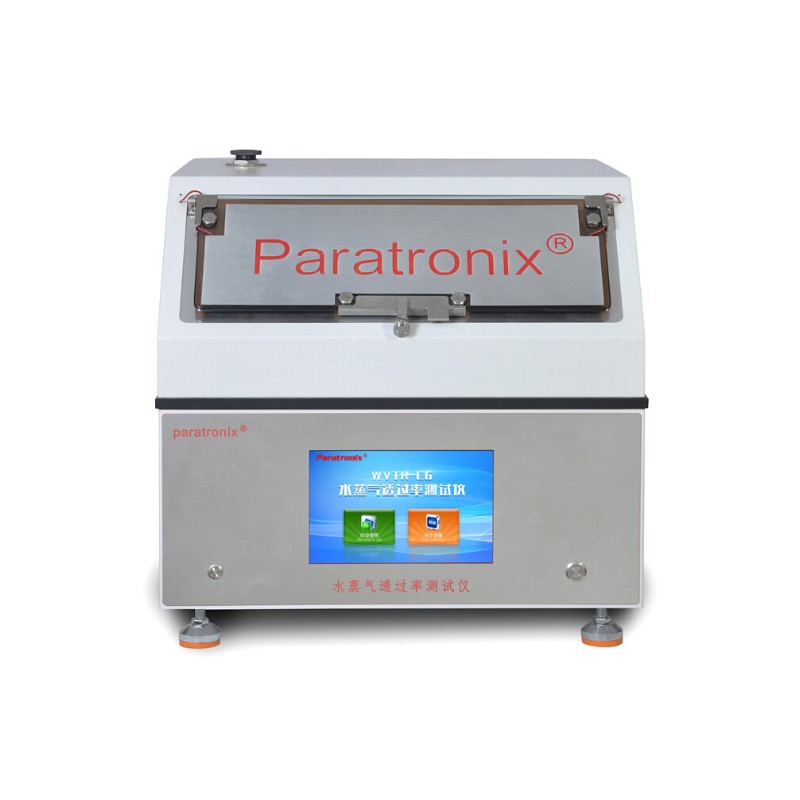
 WVTR-C6 Water Vapor Transmission Rate TesterWVTR-C6 Water Vapor Transmission Rate Tester is designed and manufactured based on the gravimetric method and can be used to test the water vapor transmission rate of plastic films, composite films, sheets, and other materials used in the packaging, medical, and construction industries.
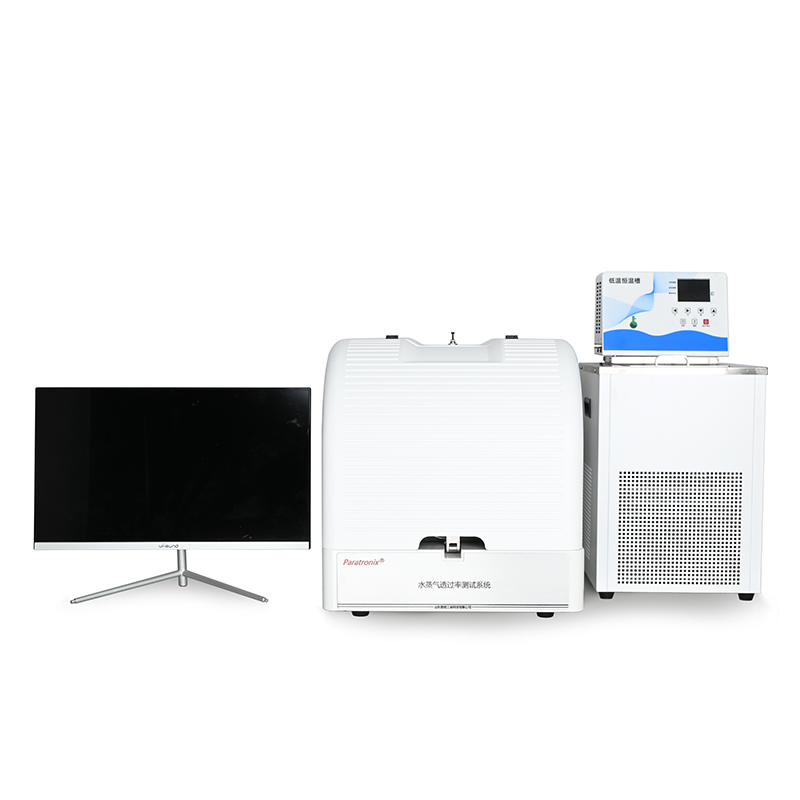
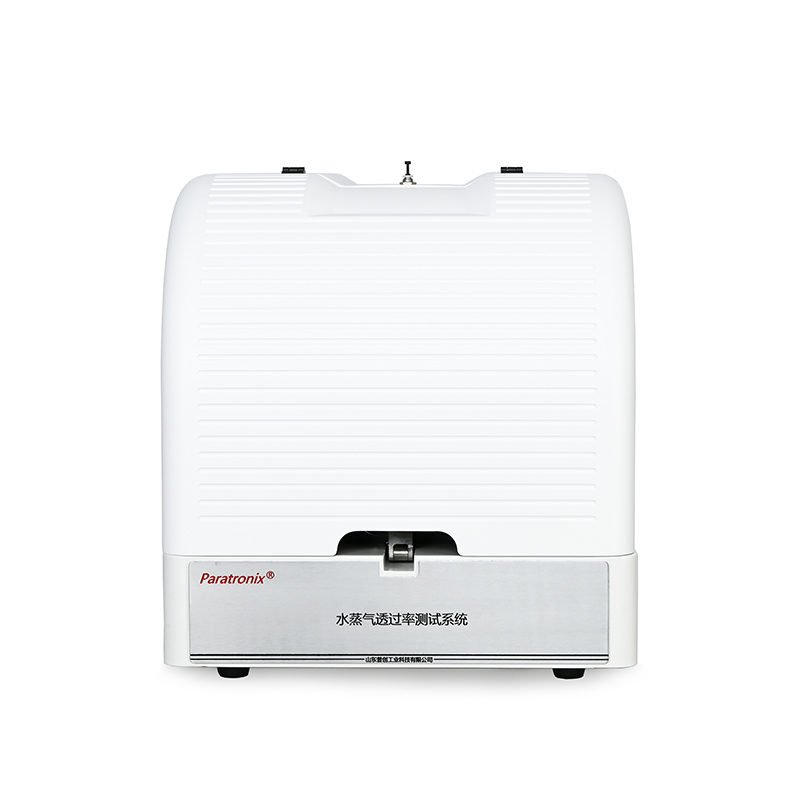
 WVTR-E3 Water Vapor Transmission Rate TesterWVTR-E3 Water Vapor Transmission Rate Tester is designed and manufactured based on the infrared sensor method and is applicable to test the water vapor transmission rate of medium and high barrier materials such as plastic films, composite films, sheets, papers and other various materials.
 WVTR-AE3 Water Vapor Transmission Rate TesterWVTR-AE3 Water Vapor Transmission Rate Tester is designed and manufactured based on the electrolytic sensor method and is applicable to test the water vapor transmission rate of medium and high barrier materials such as plastic films, composite films, sheets, papers and other various materials.
Search by Keywords