




What Oxygen Transmission Rate Testing Measures
An oxygen permeability tester for food packaging measures the passage of oxygen through a material or package under specified conditions. Oxygen transmission rate, or OTR, helps packaging teams assess a barrier's ability to slow oxygen ingress. Exposure can contribute to oxidation, flavor changes, discoloration and nutrient degradation, although the effect depends on the food, headspace, storage conditions and other factors.
For films and sheets, results are commonly expressed as cubic centimeters of oxygen per square meter per day, with the test temperature, relative humidity and oxygen partial pressure stated alongside the value. A finished package may be reported in cubic centimeters per package per day. Results in these units describe different test objects and should not be compared directly.
OTR is a measured transmission rate under defined conditions, while oxygen permeability is a material property calculated under suitable assumptions about thickness and pressure difference. Multilayer, coated or humidity-sensitive materials require particular care when interpreting a normalized permeability value. The most useful specification identifies the specimen, method and conditions rather than relying on a single barrier number.
How Oxygen Permeation Testing Works
A typical film test seals a specimen between two chambers. One side is exposed to an oxygen-containing gas, while the other side collects or detects oxygen that passes through the specimen. The instrument tracks the signal until the applicable method's endpoint is reached. Effective sealing matters because oxygen entering around the specimen can be mistaken for transmission through it.
Common approaches include a coulometric sensor method, described for suitable materials in ASTM D3985, and a differential-pressure method, described in ASTM D1434. ISO 15105 includes methods for determining gas transmission rates of plastic film and sheeting. These methods differ in measurement principle and applicability, so buyers should confirm the edition, specimen requirements and conditions relevant to their work.
Temperature, relative humidity, gas composition, exposed area and specimen conditioning all affect interpretation. For some high-barrier structures, reaching a stable result can take considerable time. Record the actual test conditions, specimen identification and endpoint criteria; compare results only when methods and conditions are sufficiently aligned. Follow the instrument manufacturer's instructions and the selected standard for preparation and operation.
Main Tester Types And Their Uses
Film and sheet instruments evaluate flat specimens cut from rolls, pouches or formed packaging. They are useful for incoming material checks, supplier comparisons and development of multilayer structures. A flat sample provides a controlled test area, but it may not represent a complete package after forming, sealing, handling or the addition of closures and other components.
Package testing arrangements assess oxygen entering a finished container or package under defined conditions. Depending on the equipment and method, the measured contribution can reflect the body, seals, closures and other transmission paths together. Package geometry, available adapters and internal volume affect feasibility. Ask the supplier to explain precisely what the proposed setup measures and how it reports results.
Instruments also differ in sensor technology, number of test cells, automation and environmental control. More cells can increase throughput when independently controlled and used appropriately, but they do not automatically improve accuracy. Choose a measurement range that covers the expected barrier performance and consider whether the laboratory needs routine quality checks, development work or both.
Applications Standards And Complementary Tests
Food manufacturers, converters, material suppliers and independent laboratories use OTR data to qualify films, investigate changes and monitor production. Typical applications include coffee pouches, snack films, dairy packaging and trays for oxygen-sensitive foods. The target barrier must reflect the product's sensitivity and intended distribution period; a low OTR alone does not establish shelf life.
ASTM and ISO methods provide a framework for specified materials and test arrangements, but using a named method does not by itself establish regulatory approval or suitability for every food package. Confirm the current edition, scope and reporting requirements with the applicable standards organization. Market access may also require separate food-contact compliance and documentation for each destination.
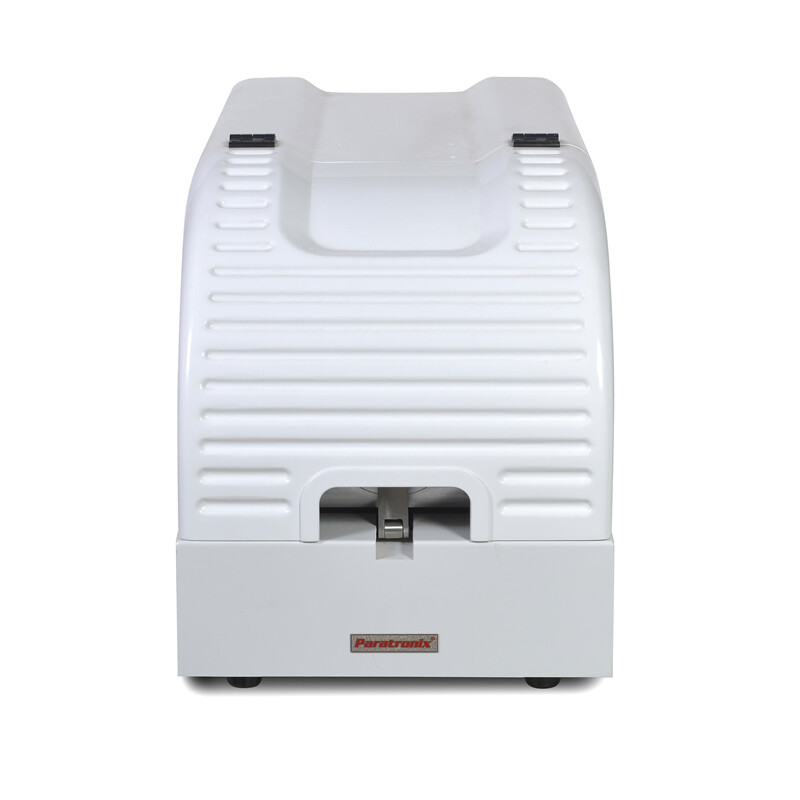
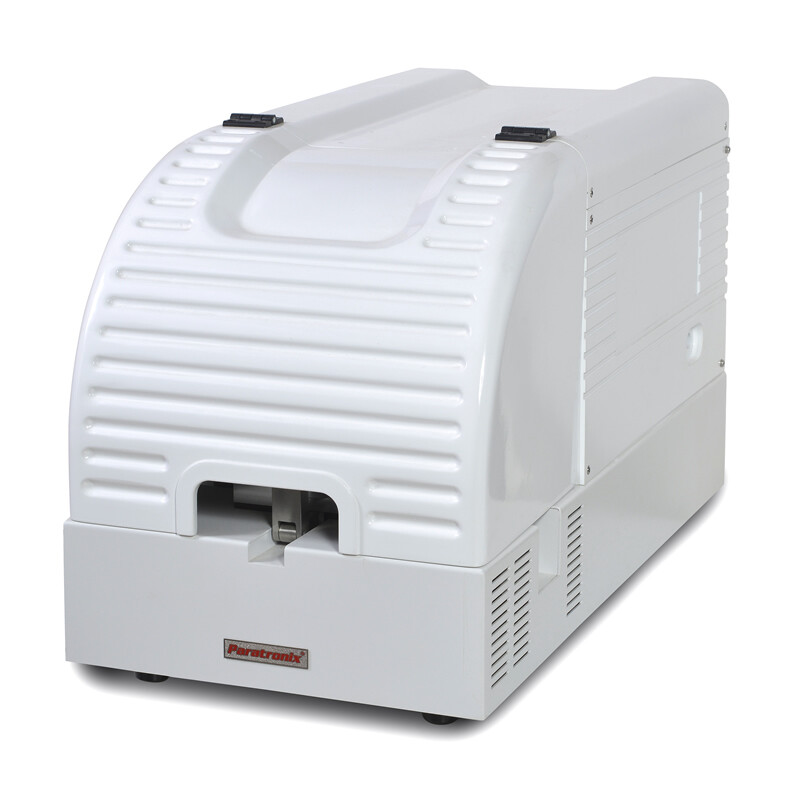
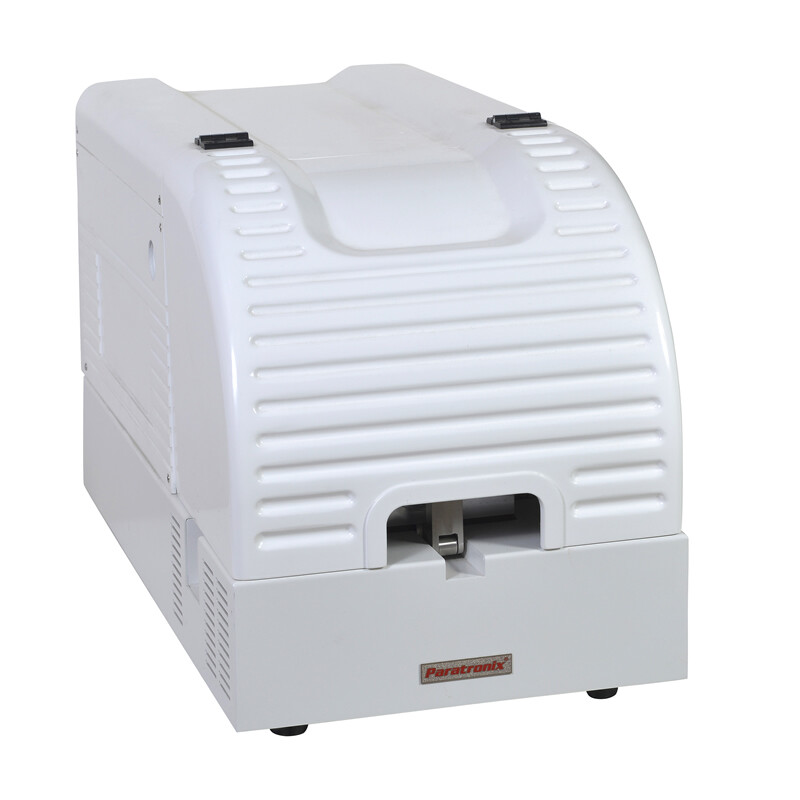
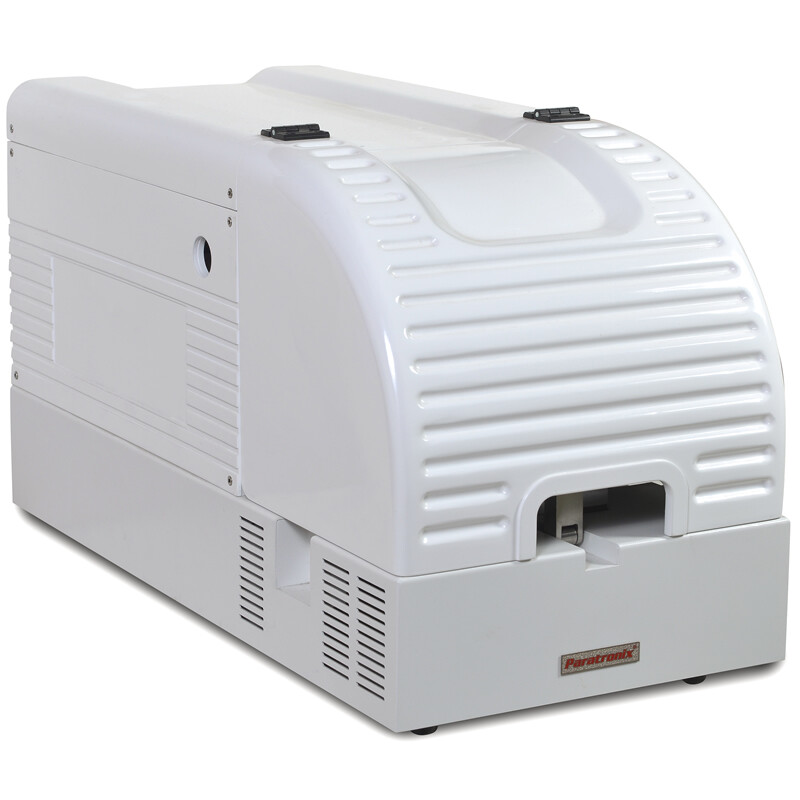
A complete evaluation can combine oxygen transmission testing with water vapor transmission, seal strength and leak testing, depending on the failure risks. paratronix lists water vapor permeability testers, leak and seal strength testers, and non-destructive micro-leakage testers among its equipment offerings. Buyers can discuss these complementary checks with paratronix and confirm the availability and specifications of any oxygen testing solution separately.
How To Select An Oxygen Permeability Tester
Begin with the material or package, expected OTR range and test method required by customers or internal specifications. Ask for the instrument's stated measurement range, resolution, repeatability and applicable conditions, together with evidence supporting those specifications. Check that the range covers both the lowest expected value and the acceptance limit, including a practical allowance for variation.
Next, evaluate temperature and humidity control, specimen dimensions, test area, gas supply requirements and package fixtures. For humidity-sensitive barriers, confirm which side is conditioned and whether the desired conditions can be maintained throughout the test. If different sites must compare data, align the method, sample preparation, conditioning and reporting before comparing instrument specifications.
Request a demonstration using representative specimens when possible, including a high-barrier sample and a challenging package format. Review stabilization time, operator steps, data export, alarm handling and cleaning access. Confirm local service coverage, training, spare parts and calibration support in writing. These practical details determine whether an instrument can meet routine workload as well as technical requirements.
Sample Preparation Quality Control And Maintenance
Develop a sampling plan that identifies roll position, production lot, specimen orientation and the number of replicates. Avoid creases, pinholes and damaged edges unless the investigation specifically concerns defects. Measure thickness where the method requires it, and condition specimens as specified. For finished packs, document seals, closures and any preparation that could change the measured transmission path.
Before routine testing, verify installation conditions, gas connections and the integrity of the test cell according to the supplier's instructions. Use appropriate reference materials or checks where available, and establish criteria for investigating drift or unusual blanks. Record calibration status and environmental settings with each result. A documented procedure helps distinguish a real material change from a test setup problem.
Set maintenance intervals using the manufacturer's recommendations, usage and observed performance rather than assuming one schedule fits every laboratory. Inspect seals and fixtures, maintain gas supplies and arrange sensor or instrument servicing as applicable. When results are unexpected, review conditioning, leaks, sample handling and instrument checks before rejecting material or changing a production process.
Ownership Costs Trends And Purchasing Decisions
The purchase price is only one part of total ownership cost. Include installation, training, gases, reference materials, seals, fixtures, calibration, service and potential downtime. Estimate labor per test and the number of samples that can realistically be completed within the required turnaround time. A package adapter or humidity-control capability may be a separate cost, so request an itemized quotation.
Assess return on investment against a defined baseline, such as current external laboratory spending, development delays or the cost of repeated supplier disputes. Compare annual costs and expected time savings over the intended service life, while allowing for uncertainty in sample volume and maintenance. Retain external testing where independent confirmation or a method outside the instrument's capability is needed.
Demand for recyclable or reduced-material packaging is encouraging closer evaluation of new barrier structures, while laboratories continue to seek better data traceability and workflow automation. These developments make method consistency and testing under relevant conditions especially valuable. To discuss a purchasing requirement with paratronix, prepare your specimen formats, target OTR range, required standard, test conditions and anticipated monthly sample volume.
 How to check an oxygen tester against ISO 15105-2 requirementsEvaluate an ISO 15105-2 oxygen permeability tester with this practical guide to pressure control, calibration, test conditions and reporting.
 What does an ASTM F1307 oxygen permeability tester measure?Discover what an ASTM F1307 oxygen permeability tester measures, how package oxygen transmission rates are interpreted, and why test conditions matter.
 Can an ISO 15105-2 oxygen tester measure coated films?Can an ISO 15105-2 oxygen permeability tester measure coated films? Explore key test conditions, common pitfalls, and tips for reliable results.
 What does ASTM F1927 require for oxygen sensor calibration?ASTM F1927 oxygen permeability tester calibration: discover how references, humidity control, verification, and records support reliable results.
Search by Keywords