




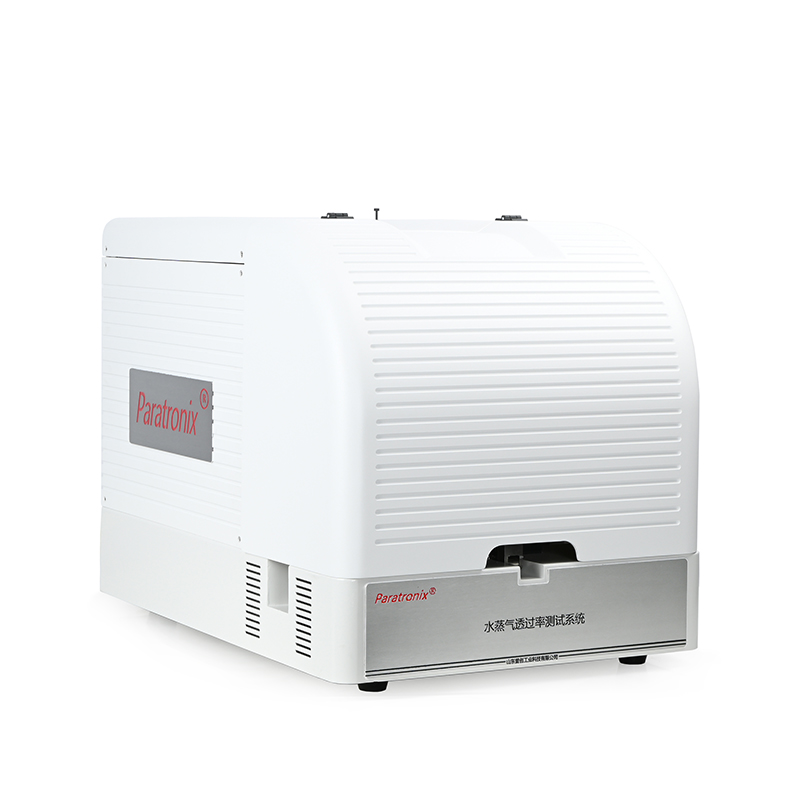
What A WVTR Tester Measures
A wvtr tester measures the rate at which water vapor passes through a material under specified conditions. Results are commonly reported in grams per square meter per day, or g/m²·day. The test is relevant to flexible films, sheets, coatings and multilayer laminates used to protect moisture-sensitive products. A lower result indicates less vapor transmission under the stated conditions, but it does not establish a universal shelf life or guarantee that a finished package is free from leaks.
The measurement depends on a water vapor pressure difference across the specimen. Temperature and relative humidity determine that driving force, while the exposed area and specimen construction affect the result. Laboratories may also report water vapor permeance or permeability when the selected method and material justify it. Permeability calculations involving thickness require care: a multilayer structure or coated film cannot always be treated as a uniform material, so a single normalized value may conceal important differences.
WVTR testing supports material development, supplier qualification and production monitoring for food, pharmaceutical, medical device and electronics packaging. It helps buyers compare barrier performance against a product's moisture sensitivity and expected distribution environment. The test complements seal strength and package integrity testing: transmission through an intact material and leakage through a defective seal are different mechanisms. A complete packaging assessment may therefore require both material barrier measurements and tests on the finished package.
How ASTM And ISO Methods Work
ASTM E96/E96M describes gravimetric water vapor transmission methods in which a specimen seals a test dish and mass change is tracked over time. Desiccant and water procedures establish different exposure conditions. The method is useful for a range of materials, provided the specimen, sealing system and weighing procedure are suitable. Laboratories must control environmental conditions, account for edge leakage and use the standard's prescribed calculations and reporting requirements. Method selection should reflect the expected transmission range.
ASTM F1249 uses a modulated infrared sensor to measure water vapor transmitted through plastic film and sheeting. ISO 15106 also covers instrumental approaches for plastic film and sheeting: Part 1 uses a humidity detection sensor, Part 2 an infrared detection sensor, and Part 3 an electrolytic detection sensor. These methods share the aim of measuring transmission but differ in sensing and test procedures. Confirm the applicable edition, specimen scope, apparatus requirements and conditions before claiming conformity.
For gravimetric testing of plastic film and sheeting, ISO 2528 is another relevant reference. ASTM and ISO designations should not be treated as interchangeable simply because both report WVTR. Different humidity gradients, temperatures, preparation procedures and detection limits can produce different results. When comparing laboratories or supplier data sheets, request the method and edition, test conditions, exposed area, specimen orientation, replicate results and any deviations. Agreement on these details is especially important for low-transmission materials.
Choosing A Measurement Principle
Gravimetric testing determines transmission from mass change and can be a practical choice when expected transmission is high enough to measure reliably within the available time. Its equipment needs may be comparatively straightforward, but weighing discipline, dish sealing and environmental stability remain essential. Very low transmission rates can require long tests and careful control of measurement uncertainty. Evaluate the complete procedure, including balance performance and sample preparation, rather than comparing instrument prices alone.
Sensor-based instruments measure transmitted moisture using a detector specified by the relevant method. Infrared, humidity-sensor and electrolytic approaches have different operating requirements, measurement ranges and maintenance needs. Depending on the instrument and specimen, automated monitoring can reduce manual weighing and provide a time-dependent measurement record. Detection capability and test duration are model-specific, however; buyers should request performance information at their intended temperature, humidity and target transmission level rather than assume one sensor type suits every film.
Start selection with representative samples, including the lowest and highest barrier materials in the purchasing specification. Define the required reporting unit, test conditions, sample throughput and acceptable uncertainty. Ask whether the test area, fixtures and specimen thickness range accommodate the actual materials. For coated or asymmetric laminates, agree on which side faces the humid environment. A documented demonstration or trial using representative materials can help determine whether a proposed wvtr tester meets the laboratory's practical needs.
Applications And Purchasing Requirements
Food packaging teams use WVTR data to compare structures intended to protect products from moisture gain or loss. Pharmaceutical and medical packaging laboratories may use barrier data alongside stability studies, package integrity assessments and applicable product requirements. Electronics suppliers may evaluate moisture-barrier packaging for sensitive components. In each setting, a material result is one input to a broader qualification program; acceptance limits should come from the product, packaging design and intended storage and distribution conditions.
For cross-border purchasing, agree on the test method and acceptance criteria in the material specification or supply contract. An ASTM or ISO method can provide a shared measurement framework, but citing a standard alone does not establish market access or regulatory approval. Buyers should check the requirements applicable to their product and destination, including any customer-specific protocols. Request supporting laboratory records and clarify whether results come from incoming material, development samples or production lots.
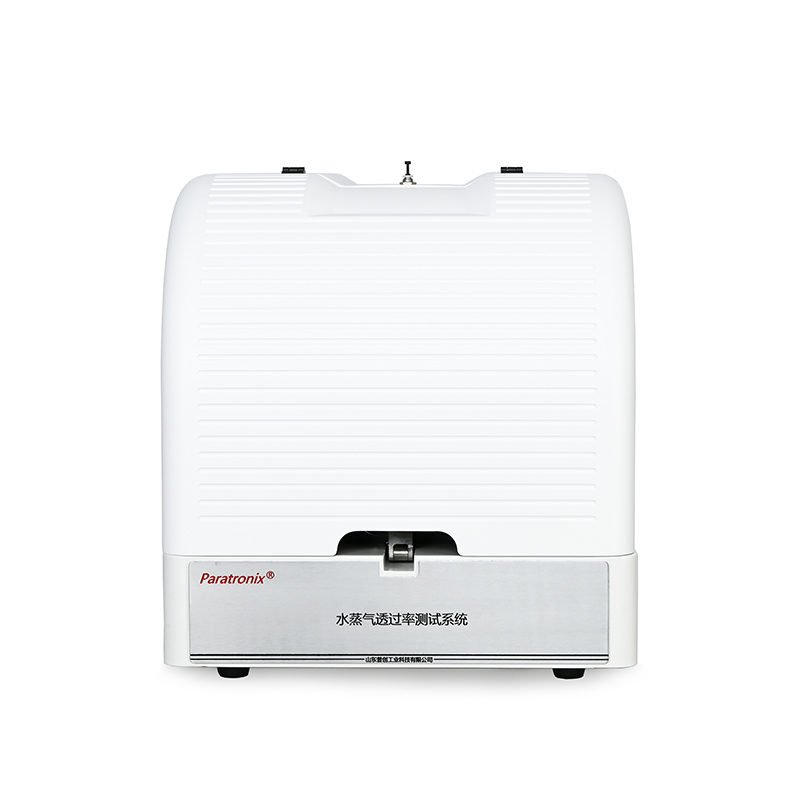
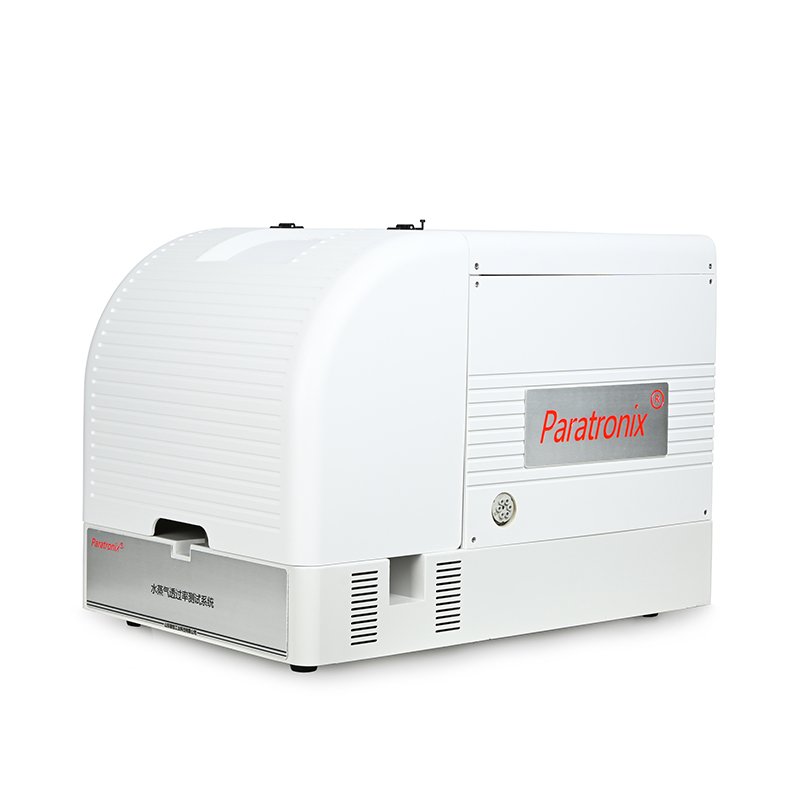
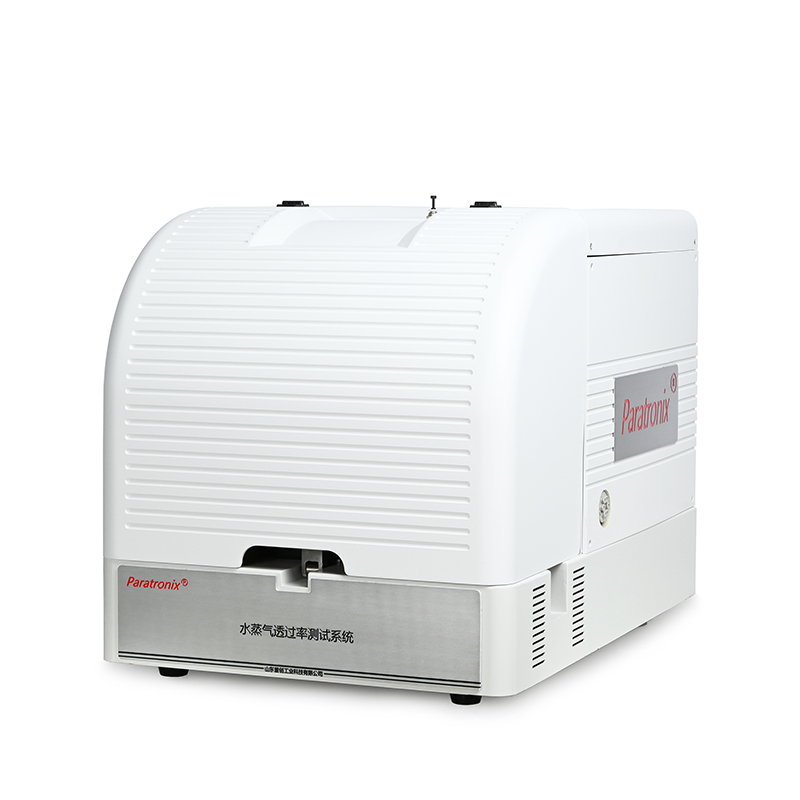
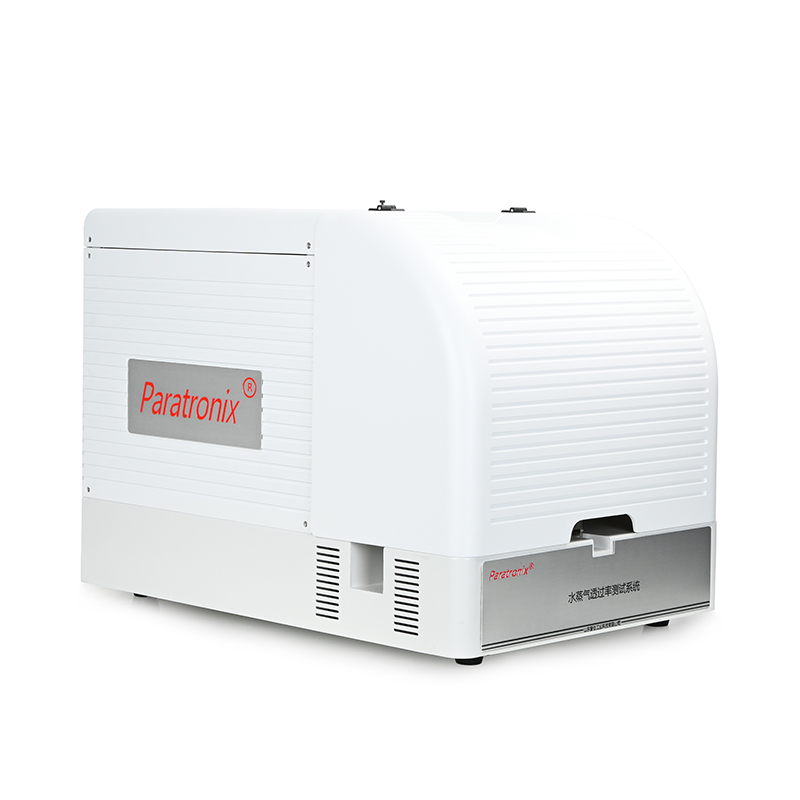
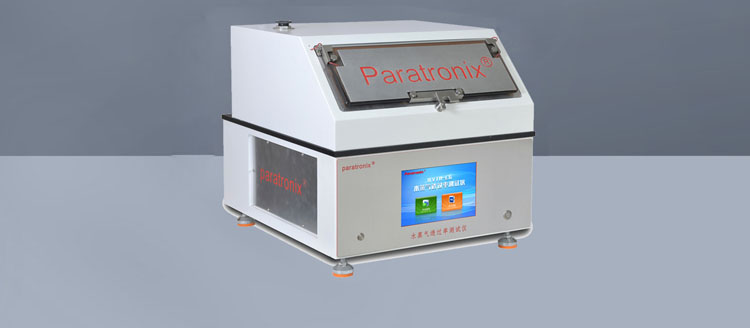
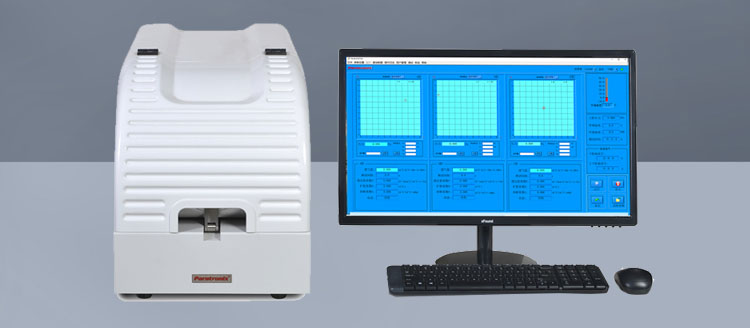
Paratronix supplies testing equipment across water vapor permeability, leakage, seal strength and other packaging performance categories. Buyers evaluating a wvtr tester can discuss the WVTR-AE3 Water Vapor Transmission Rate Tester for their intended materials and workflow. Before purchase, request the model's current specifications, supported methods, operating ranges, accessories and service terms, and verify them against the test plan. The availability of complementary leak and seal testing equipment may also help laboratories plan broader packaging evaluations.
Test Setup And Quality Control
A reliable workflow begins with a representative specimen, identified by material, lot, thickness and orientation. Condition and prepare it as required by the selected method, then inspect it for damage and mount it without wrinkles or unintended leakage paths. Record the exposed area and the temperature and humidity on each side. For finished laminates, document the structure when available. Follow the apparatus instructions and method requirements for stabilization, measurement intervals and the criterion used to report a result.
Installation planning should address a stable laboratory environment, suitable utilities and enough space for sample preparation and routine access. Train operators to check seals, handle specimens consistently and recognize unstable readings. Verify temperature, humidity and other relevant measurement functions at intervals established by the laboratory and instrument supplier. Use suitable reference materials or check specimens where appropriate, and retain calibration and maintenance records. The actual schedule depends on equipment use, risk and the applicable quality system.
Investigate unexpected results before accepting or rejecting a supplier lot. Review specimen orientation, thickness, conditioning, test conditions, sealing and instrument status, then repeat the test according to the laboratory's procedure. Replicate variation can reveal sampling or handling problems, while comparison with a known check specimen may help identify equipment drift. For disagreements between laboratories, exchange complete reports and, where practical, test specimens from the same material batch under aligned conditions before attributing differences to the material.
Ownership Costs And Future Trends
Total ownership cost includes the instrument, installation, training, fixtures and any environmental controls needed for the intended method. Ongoing expenses can include calibration, service, replacement seals or sensors, consumables, utilities and operator time. Include the cost of reference checks and downtime when estimating annual capacity. Ask suppliers which items are included in the quotation, which require periodic replacement and what local support is available. A lower purchase price may not translate into a lower cost per valid result.
Estimate return on investment using expected annual sample volume, labor per test, outsourced testing charges and the time needed to obtain actionable results. Consider the value of investigating a material change sooner, but avoid assigning savings without a defensible baseline. Compare scenarios using realistic utilization and include the time required for conditioning, equilibration and repeat tests. If demand is occasional or covers an unusually wide measurement range, external laboratory testing may remain a useful complement to in-house capacity.
Packaging development is increasing interest in measuring the barrier performance of recycled-content, recyclable and redesigned multilayer structures. Laboratories may also seek better digital records, instrument connectivity and clearer comparisons between suppliers as specifications evolve. These developments make method traceability and representative sampling more valuable, not less. Review the test program when materials, package formats or distribution conditions change, and confirm that the chosen wvtr tester remains suitable for the expected transmission range and reporting requirements.
 Choosing the Right Water Vapor Transmission Rate Tester: Pharmaceutical Packaging LabsWater Vapor Transmission Rate Tester built for pharma labs: unmatched RH recovery, foil-safe clamping & FDA-ready traceability. See why Paratronix sets the standard.
 Comparing Gravimetric, Coulometric, and Modulated IR WVTR TestersWater Vapor Transmission Rate Tester comparison: gravimetric vs. coulometric vs. modulated IR for flexible food packaging—speed, accuracy & real-world reliability.
 How Do Temperature and Humidity Affect WVTR Lab Comparisons?Can a WVTR tester test aluminum foil laminates? Learn how temperature, humidity, and detection limits affect lab comparisons—and choose the right testing setup for reliable results.
 Can a WVTR Tester Test Aluminum Foil Laminates?Can a WVTR tester test aluminum foil laminates? Why do WVTR results differ between laboratories? Discover how sensitivity, sealing, and test conditions help you achieve reliable results.
Search by Keywords