




Recent Posts
 Using Leak and Seal Strength Tests for Medical Pouches and Sterile Barrier SystemsSep 18, 2026
 How Leak and Seal Strength Testers Use Vacuum Decay, Burst, and Peel MethodsSep 18, 2026
 Which Features Have the Greatest Impact on Puncture Force Tester Cost?Sep 17, 2026
 Bone Screw Torsion Tester Requirements for ASTM F543 Mechanical TestingSep 17, 2026
 Self-Tapping Screw Tester Metrics for Torque, Insertion, and Pull-Out TestingSep 17, 2026
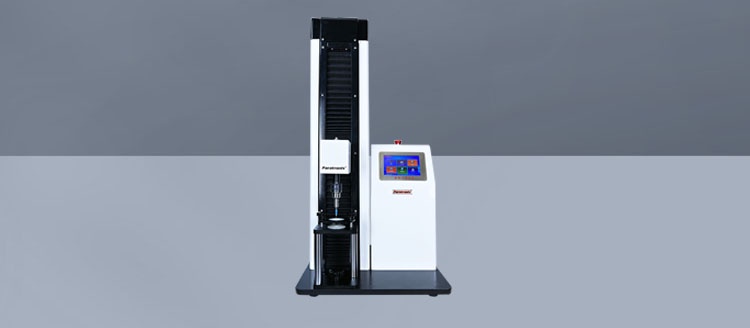
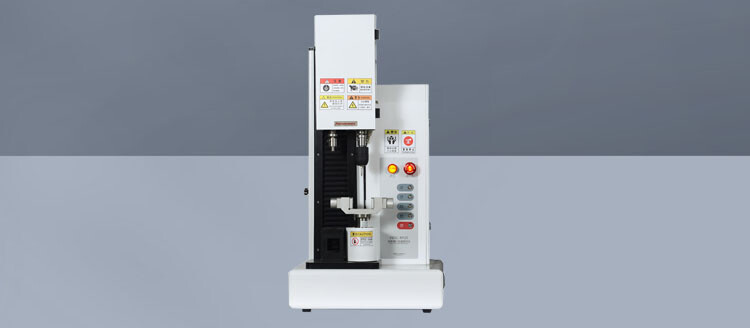
In the field of material testing, the tear test using a tensile testing machine is a critical method to evaluate the tear resistance of materials.
1. Basic Principles of Tear Test with Tensile Testing Machine
The core principle of the tear test is to apply a uniform and continuous tensile force to a standard specimen with a pre-cut notch (or without a notch, depending on the test method) using a tensile testing machine, until the specimen is completely torn. During the test, the testing machine records the tensile force and the corresponding displacement in real time, and generates a force-displacement curve. The key indicators reflecting the tear performance of the material are derived from this curve, including tear strength, maximum tear force, tear energy, etc.
Tear strength is usually defined as the maximum force required to tear a unit thickness of the material, expressed in units such as N/mm. Tear energy refers to the energy consumed per unit area during the tearing process of the material, which reflects the toughness of the material to resist tearing. For different types of materials, the test principles and indicator definitions may have slight differences, which need to be carried out in accordance with relevant national or international standards.
2 Specimen Preparation
Specimen preparation is a crucial link in ensuring the accuracy of the tear test, and it must comply with the requirements of relevant standards (such as ASTM D624 for rubber, ASTM D1922 for plastic films, ISO 13937 for textiles). The main points of specimen preparation are as follows: First, select a representative part of the material to avoid defects such as bubbles, cracks, and uneven thickness. Second, cut the specimen into a standard shape (common shapes include trouser-shaped, angle-shaped, and crescent-shaped) using a standard cutting die, and ensure that the size of the specimen (length, width, thickness) meets the standard requirements. Third, for materials that require a pre-cut notch, use a notch cutter to cut a neat notch at the specified position of the specimen, and the depth and width of the notch must be accurate to avoid affecting the crack propagation path during the test. Finally, mark the specimen and measure its thickness at multiple points (at least 3 points) with a thickness gauge, and take the average value as the thickness of the specimen for subsequent calculation of tear strength.
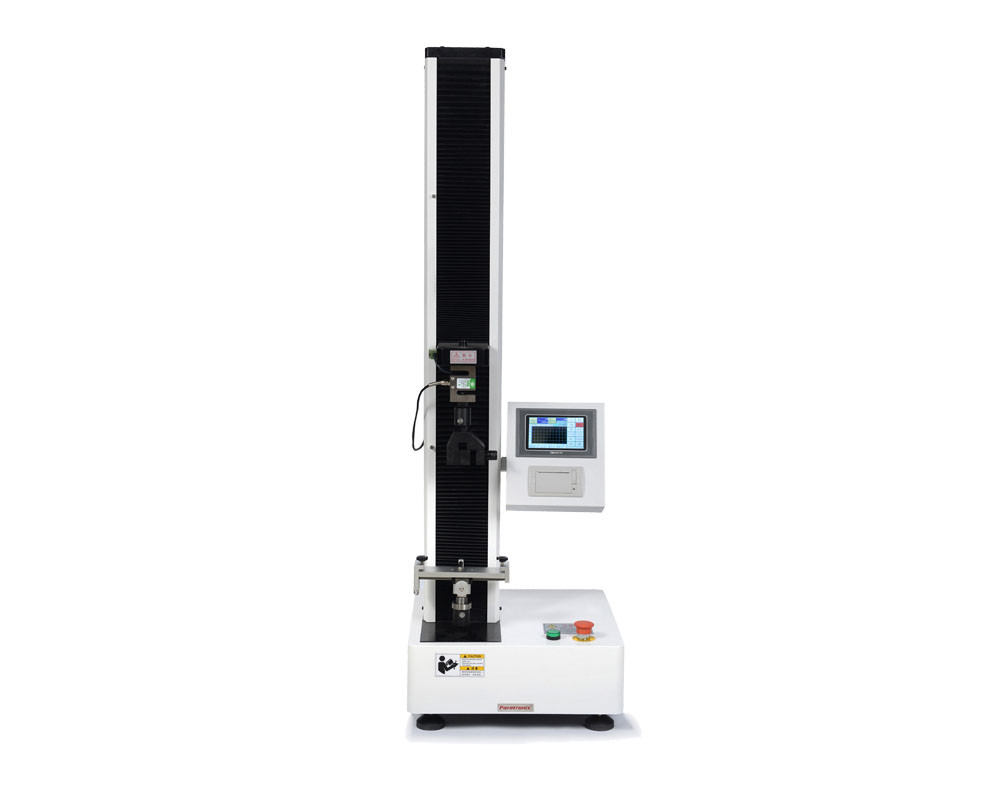
Testing equipment:ETT-A Multipurpose Tester
3. Standard Test Procedures
The tear test with a tensile testing machine follows a strict standard procedure to ensure the repeatability and comparability of the test results. The specific steps are as follows:
1). Start the tensile testing machine and preheat it for a certain period of time (usually 10-15 minutes) to ensure that the equipment is in a stable working state. Calibrate the load sensor and displacement system if necessary to ensure the accuracy of the test data.
2). Adjust the clamping device of the testing machine to match the size of the specimen. The clamping force should be appropriate: too small will cause the specimen to slip during the test, and too large will damage the specimen and affect the test results.
3). Install the specimen on the clamping device, ensuring that the specimen is in a vertical and tension-free state, and the notch (if any) is aligned with the center line of the clamping device to ensure that the force is applied along the direction of the notch.
4). Set the test parameters through the operation software of the testing machine, including the test speed (usually 50-500 mm/min, which is determined according to the type of material and standard requirements), the load range, and the data acquisition frequency.
5). Start the test. The crosshead of the testing machine moves at a constant speed, applying tensile force to the specimen. During the test, observe the state of the specimen, especially the propagation process of the crack. The testing machine automatically records the force and displacement data in real time until the specimen is completely torn.
6. After the test is completed, stop the testing machine, take out the torn specimen, and record the test data (maximum tear force, tear displacement, etc.). Repeat the test with 5-10 specimens of the same material to obtain average values and reduce test errors.
4. Conclusion
The tear test with a tensile testing machine is an important method to evaluate the tear resistance of materials, which has the characteristics of simple operation, accurate data and strong repeatability. By mastering the test principles, standard procedures and influencing factors, we can effectively carry out the tear test and obtain reliable test results. The test results not only provide an important basis for material selection and product design, but also play a key role in improving product quality, reducing production costs and ensuring product safety. With the continuous development of material science and testing technology, the tear test method will be more optimized and perfect, and will play a more important role in various industrial fields.
Leave A Reply
Search by Keywords