




Recent Posts
 Using Leak and Seal Strength Tests for Medical Pouches and Sterile Barrier SystemsSep 18, 2026
 How Leak and Seal Strength Testers Use Vacuum Decay, Burst, and Peel MethodsSep 18, 2026
 Which Features Have the Greatest Impact on Puncture Force Tester Cost?Sep 17, 2026
 Bone Screw Torsion Tester Requirements for ASTM F543 Mechanical TestingSep 17, 2026
 Self-Tapping Screw Tester Metrics for Torque, Insertion, and Pull-Out TestingSep 17, 2026
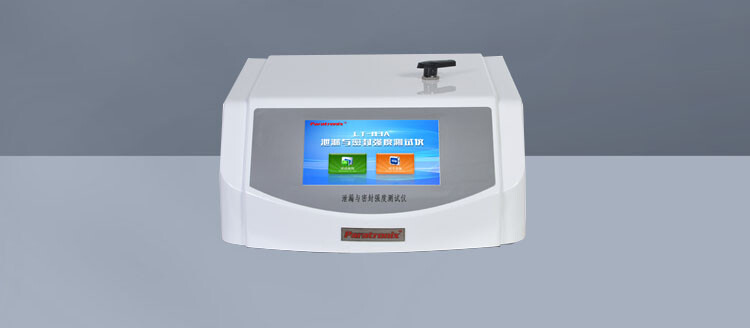
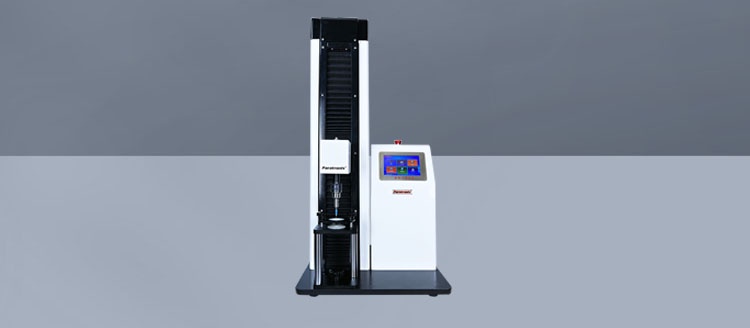
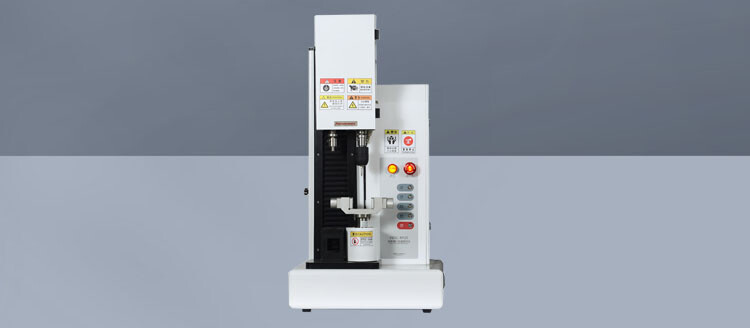
At paratronix, we understand that a close, comfortable shave starts with one critical factor: sharpness. A truly sharp blade cuts hair cleanly with minimal effort, while a dull one can lead to pulling, tugging, skin irritation, and an unsatisfactory result.
But how do we, as manufacturers, move beyond subjective "feeling" to objectively measure the sharpness of our electric razor heads? The answer lies in a combination of standardized laboratory tests and cutting-edge metrology. We put our products through rigorous examinations to ensure every shave meets our high standards for performance and skin comfort.
Here is an inside look at the science and engineering behind testing the sharpness of our electric shaver foils and cutters.
1. The Synthetic Hair Test: Quantifying the Cut
The most direct way to test sharpness is to see how well the blade interacts with material that mimics human hair. Instead of using natural hair (which varies too much for consistent testing), we use precisely manufactured synthetic fibers, typically nylon (PA612) filaments .
Our testing methodology aligns with international standards such as GB/T 23132 and JIS C9614 . In these tests:
Controlled Cutting: The shaver head is activated, and a bundle of synthetic hairs of a specific diameter (usually around 0.1mm) is fed into the cutter .
Analyzing the "Tug": When a blade is dull, it doesn't slice the hair cleanly; it pulls it before breaking it. This action causes the hair to "curl" or stretch. In our labs, we measure the "curling rate." According to the latest standards, a blade is considered acceptably sharp only if the rate of curled hairs is ≤15% . Any fiber that curls longer than 0.4mm is flagged as a failed cut .
This test gives us a clear pass/fail metric on whether the blade cuts or tears.
2. Cutting Force Measurement: The Physics of Friction
While the hair curl test is visual, we also rely on quantitative data. We utilize specialized Cutting Force Testers . These devices measure the exact amount of force required to sever a test fiber.
How it works: A synthetic hair is held in place, and the shaver head (or a single blade) is brought into contact with it. As the blade cuts, sensors record the peak force applied .
Why it matters: A lower cutting force indicates a sharper edge. This data is crucial for our R&D team to compare different blade geometries, grinding angles, and even the coatings we apply to the blades. It also allows us to test durability—we cycle the blade through thousands of cuts to see how the cutting force degrades over time, simulating months of use .
3. The "Pulling Force" Method
Traditional methods sometimes struggle to quantify the uncomfortable sensation of hair pulling. Inspired by advanced research, we also evaluate sharpness by measuring the "pulling force" exerted on the hair during cutting .
When a blade is sharp, the hair is severed almost instantly. When it is dull, the hair is dragged slightly into the device before snapping. By measuring this minute pulling force, we get a direct correlation to the "tugging" sensation a user might feel on their skin. This method is often more convenient and provides a better simulation of the dynamic shaving process than static observations .
Testing equipment:PBSC-RP30 Bone screw performance tester

Conclusion
Testing sharpness is not about a single test, but a comprehensive suite of evaluations. From counting curled hairs under a microscope to measuring the force required for a cut and visualizing the blade at the atomic level, every step is designed to eliminate the variables that lead to a poor shave.
When you hold a paratronix electric shaver, you aren't just holding a motor and a foil; you are holding the result of rigorous scientific testing, all dedicated to one goal: providing you with the closest, most comfortable shave possible, every time.
Leave A Reply
Search by Keywords