




Recent Posts
 When ASTM F1306 is suitable for laminated film puncture testingSep 21, 2026
 Selecting a laminated film puncture force tester for low-force filmsSep 21, 2026
 Which standards should an ampoule break force tester support?Sep 20, 2026
 Using a Leakage Tester to Meet ISO 11607 Package Integrity RequirementsSep 20, 2026
 Using Leak and Seal Strength Tests for Medical Pouches and Sterile Barrier SystemsSep 18, 2026
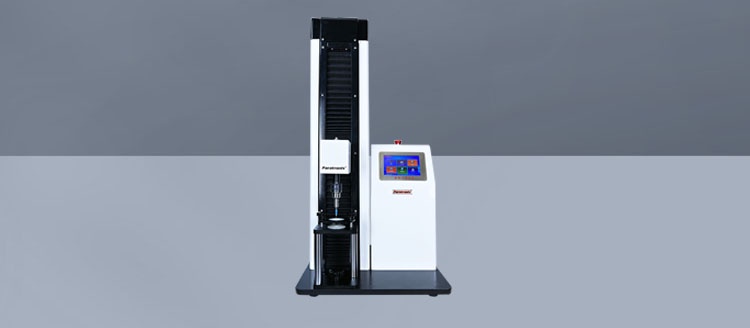

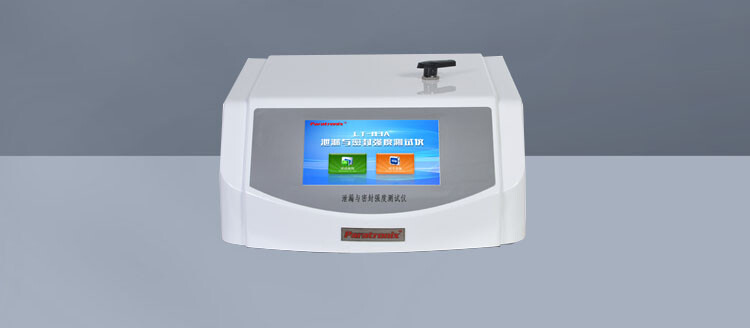
Coefficient of Friction Tester for Film and Packaging
A Coefficient of Friction Tester is essential for accurate, repeatable evaluation of slip performance in film and packaging materials.
In daily production, friction control influences machine speed, sealing stability, stacking behavior, and final product safety.
When friction values drift, operators often see feeding issues, wrinkling, blocking, or unstable pouch movement on packaging lines.
That is why a reliable Coefficient of Friction Tester is not just a lab tool. It becomes part of practical process control.
Paratronix Instruments Co., Ltd. focuses on packaging testing instruments for pharmaceutical packaging, plastic packaging material, and high barrier material applications.
With the right testing method, material behavior becomes easier to understand, compare, and improve before production problems spread.
Why friction testing matters in packaging production
Film and flexible packaging must move smoothly, but not too freely, through converting, filling, sealing, and transport.
If the surface is too slippery, bags may shift during forming or sealing. If friction is too high, web handling becomes unstable.
A Coefficient of Friction Tester helps identify both static and kinetic friction values under controlled conditions.
These values support decisions on material selection, supplier approval, coating adjustment, and line parameter optimization.
In practical work, friction data is especially useful when operators need to answer one clear question: why is this material not running consistently?
- Check whether film unwinds smoothly at target speed.
- Evaluate slip differences between inner and outer surfaces.
- Compare production lots before they reach the line.
- Reduce sealing defects linked to unstable material movement.
- Support complaint analysis with measurable evidence.
This also means friction testing is useful long before a failure becomes visible on finished packs.
Where a Coefficient of Friction Tester delivers the most value
Different packaging materials respond differently to friction, especially after printing, lamination, or storage changes.
A Coefficient of Friction Tester becomes valuable wherever surface performance affects processing or end-use reliability.
Pharmaceutical packaging
In pharmaceutical packaging, stable handling is critical because line interruptions can affect efficiency, traceability, and product protection.
Blister lidding films, sachet materials, and strip packaging often require precise slip behavior for reliable feeding and sealing.
Plastic packaging materials
PE, PP, PET, and multilayer films can show friction variation due to additives, corona treatment, or converting conditions.
Testing helps confirm whether a surface is suitable for bag making, pouch filling, or automatic wrapping operations.
High barrier materials
High barrier structures often combine multiple layers, coatings, or adhesives, making slip behavior less predictable.
A Coefficient of Friction Tester helps verify whether performance remains stable after lamination, aging, or environmental exposure.
Common production problems linked to poor friction control
From recent production trends, a clearer signal is that many packaging issues begin with unnoticed surface variation.
Operators may adjust tension, temperature, or speed first, while the root cause is actually friction imbalance.
A Coefficient of Friction Tester helps separate machine issues from material issues, which saves time and reduces trial-and-error adjustments.
- Film sticking together during unwinding or pouch separation.
- Unstable web transport causing skew, wrinkles, or registration drift.
- Poor stacking performance after packaging and cartoning.
- Unexpected seal contamination from poor material tracking.
- Line stoppages when material moves inconsistently on guide surfaces.
In actual operations, these problems rarely stay isolated. One friction deviation can trigger multiple downstream defects.
How to use a Coefficient of Friction Tester more effectively
Good testing is not only about running the instrument. It is about building a repeatable testing routine around real production needs.
A Coefficient of Friction Tester gives better value when sampling, conditioning, setup, and result review are handled consistently.
1. Sample the right location
Take samples from the beginning, middle, and end of a roll when variation is suspected.
Also compare printed and unprinted areas if inks or coatings may influence slip behavior.
2. Control the test environment
Temperature and humidity can influence friction values, especially for thin films and coated materials.
Condition samples properly before testing to improve repeatability and reduce misleading data.
3. Distinguish static and kinetic friction
Static friction reflects how much force starts movement. Kinetic friction reflects how material behaves once it is moving.
Both matter, but the more important value depends on the packaging process you want to control.
4. Build acceptance limits from real data
Do not rely only on generic targets. Connect Coefficient of Friction Tester results with actual line performance.
Over time, this creates realistic control limits for each structure, supplier, and application.
What to look for when choosing a testing solution
Not every testing setup supports daily work equally well. Ease of use and data consistency matter as much as technical capability.
A suitable Coefficient of Friction Tester should help standardize testing, shorten training time, and simplify result comparison.
- Stable drive system for repeatable movement and force measurement.
- Clear interface that reduces setup mistakes during routine testing.
- Flexible test configuration for different film and packaging materials.
- Reliable data output for quality records and supplier evaluation.
- Support for packaging test standards used in regulated industries.
Paratronix provides professional packaging testing solutions designed around real material behavior and practical quality control needs.
That matters when testing results must support production decisions, audits, customer requirements, and ongoing process improvement.
A practical workflow for daily quality control
A Coefficient of Friction Tester works best when it is part of a simple, repeatable workflow.
This approach makes friction data easier to interpret and easier to connect with production actions.
- Define the key material surfaces to be tested.
- Set sample quantity and conditioning rules.
- Run static and kinetic friction tests consistently.
- Compare results with approved production ranges.
- Record deviations and verify line impact quickly.
- Feed results back into supplier and process control.
In business practice, the real advantage is speed. Clear data helps teams respond before scrap and downtime increase.
Conclusion
A Coefficient of Friction Tester is a practical solution for understanding how film and packaging materials behave during real processing.
It helps reduce uncertainty, improve consistency, and support better decisions across pharmaceutical packaging, plastic packaging, and high barrier applications.
With professional support from Paratronix, friction testing becomes more than a routine check. It becomes a useful tool for solving packaging problems.
If slip performance, material stability, or line efficiency needs closer control, a well-matched Coefficient of Friction Tester is a smart next step.
Leave A Reply
Search by Keywords