




Recent Posts
 ASTM D3985 vs ISO 15105-2: Oxygen Transmission Testing for FilmsNov 12, 2026
 What Does an Oxygen Permeability Tester Measure in Barrier Films?Nov 12, 2026
 Choosing an oxygen permeability tester for high-barrier food filmsNov 12, 2026
 Does your food packaging oxygen tester meet ASTM D3985?Nov 12, 2026
 Can an oxygen permeability tester measure sealed blister packs?Nov 11, 2026
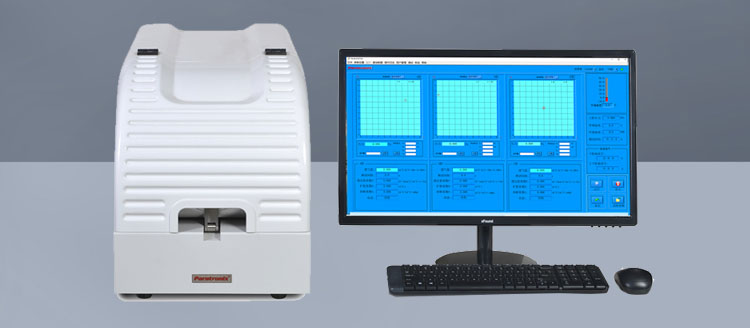
How well can a barrier film prevent oxygen from reaching the product inside? An oxygen permeability tester for barrier films measures the rate at which oxygen passes through a material under specified conditions, helping manufacturers evaluate its protective performance.
This measurement is particularly important for packaging materials used in food, pharmaceuticals, and other oxygen-sensitive applications. Understanding what the results mean can help you compare films, assess quality, and select materials suited to your packaging requirements.
What Does an Oxygen Permeability Tester Actually Measure?
An oxygen permeability tester determines how quickly oxygen moves through a film separating two environments with different oxygen concentrations or partial pressures. Results describe transmission under the stated test conditions.
The most common result for packaging films is the oxygen transmission rate, or OTR. A lower OTR generally indicates that less oxygen passes through the tested area over time.
For example, a film with an OTR of 2 cm³/m²/day transmits less oxygen than one rated at 10 cm³/m²/day, provided both results were obtained under comparable conditions.
That comparison is useful for screening materials, but it does not establish product shelf life by itself. Package construction, storage conditions, and product sensitivity also affect oxygen exposure.
Depending on the instrument and method, a test may also provide data used to calculate permeability. OTR and permeability are related, but they answer different questions.
How Are Oxygen Transmission Rate and Permeability Different?
OTR describes oxygen transmission through a particular specimen at its tested thickness. It is commonly reported in cubic centimeters of oxygen per square meter per day.
Some reports include the oxygen partial pressure difference in the unit, such as cm³/m²/day/atm. Always check the standard and report conventions before comparing values.
Permeability is a material property that relates transmission to specimen thickness and the oxygen partial pressure difference, under defined conditions and appropriate assumptions about the material.
For a uniform film under steady-state conditions, permeability can be calculated from the measured transmission rate, film thickness, and oxygen partial pressure difference across the specimen.
This calculation is especially useful when comparing films of the same material at different thicknesses. It assumes the material behaves consistently and the reported conditions are compatible.
Multilayer barrier films require more care. Their overall performance depends on the thickness and properties of individual layers, so a single calculated value represents the tested structure as a whole.
Ask whether a specification refers to OTR for a finished film or permeability for a material. Confusing these values can lead to an unsuitable purchasing or design decision.
How Does the Test Work?
A typical film test places a flat specimen between two chambers. The specimen is sealed around its edges so that oxygen must pass through the exposed test area.
One side is exposed to a defined oxygen-containing gas, while the other side has a lower oxygen partial pressure. This difference drives oxygen through the film.
As oxygen reaches the receiving side, the instrument detects or otherwise quantifies it. The calculation uses the measured oxygen flow and exposed area to determine the transmission rate.
Some systems use a carrier gas to transport transmitted oxygen to a sensor. Other methods use changes in pressure or gas concentration, depending on the instrument and applicable standard.
The test generally continues until the required measurement conditions are met, often including a steady transmission rate. High-barrier films may need longer to reach a reliable endpoint.
Before testing, specimens may require conditioning at specified temperature and humidity. Preparation, sealing, and leak checks are important because a small leak can distort a low transmission result.
Which Conditions Affect an Oxygen Transmission Result?
OTR is meaningful only when the test conditions are known. The same film can produce different results when temperature, humidity, gas composition, or specimen thickness changes.
Temperature
Oxygen generally moves through polymer films faster as temperature rises, although the size of the effect depends on the material and test conditions.
A result measured at room temperature may therefore differ from one measured under refrigerated or elevated-temperature conditions. Select conditions that support the comparison or application being evaluated.
Relative Humidity
Humidity can significantly affect moisture-sensitive barrier layers. For example, the oxygen barrier of some EVOH-containing structures may decline as relative humidity increases.
Check the humidity specified on each side of the film when reviewing a report. Values measured under dry and humid conditions may not be directly comparable.
Film Thickness and Structure
For a uniform material, a thicker specimen generally provides a longer path for oxygen and may have a lower OTR, assuming other relevant conditions remain constant.
In multilayer films, the barrier layer, its thickness, and its condition matter alongside total thickness. A thicker overall laminate does not automatically provide a better oxygen barrier.
Oxygen Partial Pressure and Exposed Area
The oxygen concentration and pressure on each side establish the driving force for transmission. Reports should identify the test gas and relevant pressure conditions.
The instrument also needs the correct exposed specimen area to calculate OTR. Poor seals or an incorrect area can undermine results, especially when testing high-barrier materials.
How Should You Read an OTR Test Report?
Start with the reported value and unit, then confirm the test method, temperature, humidity, specimen thickness, and gas conditions before drawing a conclusion.
Also check whether the report identifies the film structure, conditioning procedure, number of specimens, and any relevant uncertainty or variability. These details help assess comparability.
Suppose two suppliers report OTR values of 1 and 3 cm³/m²/day. The first looks better, but the comparison remains uncertain if the humidity or test gases differ.
If both films were tested under the same relevant conditions, the lower value indicates less oxygen transmission through the tested film area. It still does not guarantee better package performance.
Consider variation as well as the average. A material with occasional defects or inconsistent barrier layers may present a quality risk even when its average result meets a target.
For acceptance testing, agree on the method, conditions, reporting units, and pass limits with the supplier in advance. Retain representative records to investigate changes over time.
Does a Lower OTR Always Mean a Better Package?
A lower OTR indicates a stronger oxygen barrier for the tested specimen under comparable conditions. Whether that improvement is valuable depends on the product and package.
Oxygen-sensitive foods may benefit from a stronger barrier when oxidation affects flavor, color, or nutritional quality. Pharmaceuticals may also require oxygen control based on product stability data.
However, an exceptionally low film OTR may provide limited practical benefit if oxygen enters mainly through seals, closures, or other package components.
Likewise, oxygen already present in package headspace or absorbed by the product can influence stability. Film testing does not measure those initial oxygen levels.
Some products require controlled gas exchange rather than the lowest possible oxygen transmission. Fresh produce, for example, may need a package designed around its respiration requirements.
Choose a target OTR using product sensitivity, intended shelf life, package design, and realistic storage conditions. Confirm the choice through suitable package and stability testing.
What Can Film Testing Tell You About a Finished Package?
Film testing helps characterize the material itself and compare candidate structures. It is useful during development, supplier qualification, incoming inspection, and manufacturing quality control.
A finished package introduces additional variables, including seals, folds, closures, forming stress, and possible damage. These features can change how oxygen reaches the contents.
Depending on the package and method, a complete-package test may report oxygen ingress per package per day. That result should not be treated as interchangeable with film OTR per unit area.
For a simplified estimate, multiply film OTR by the relevant film area to approximate oxygen transmission through that area under matching conditions. The estimate excludes other ingress paths.
Use finished-package evaluation when seal performance or package geometry matters. Combine those findings with product stability studies to determine whether the complete system meets its intended requirements.
Which Standards Are Used for Oxygen Barrier Testing?
ASTM D3985 is commonly used for oxygen gas transmission testing of plastic film and sheeting with a coulometric sensor. Its procedures and applicability should be checked for the material.
ASTM F1927 addresses oxygen gas transmission through barrier materials using a coulometric detector, with controlled relative humidity. It can be relevant when moisture affects barrier performance.
ISO 15105 includes methods for determining gas transmission rates of plastic film and sheeting. The applicable part depends on the measurement method and test requirements.
Different standards, instrument configurations, and conditioning choices can produce results that are difficult to compare directly. Cite the exact standard and edition used in each report.
Before choosing a method, confirm its measurement range, specimen requirements, humidity capability, and suitability for the expected barrier level. Follow the current standard and instrument instructions.
What Should You Look for in an Oxygen Permeability Tester?
Start with the materials you need to test and their expected OTR range. The instrument must measure low enough values for your highest-barrier specimens with suitable sensitivity.
Check the usable measurement range under your actual conditions, not only a headline detection limit. Ask how the system handles background oxygen, leaks, calibration, and repeatability.
Temperature and humidity control should match the conditions needed for your material and specifications. Independent humidity control may be useful when the two film surfaces experience different environments.
Consider specimen size, preparation, test duration, and the number of available test cells. These factors determine whether the system can support your expected laboratory workload.
Review the supported standards and reporting features. A useful report should retain test conditions, specimen identification, results, and the information needed for traceability.
Finally, evaluate maintenance, consumables, training, and technical support. Paratronix Instruments provides packaging testing instruments and solutions for applications including plastic, high-barrier, and pharmaceutical packaging materials.
Conclusion: Turn an OTR Value Into a Useful Decision
An oxygen permeability tester measures how readily oxygen passes through a film under specified conditions. Its OTR result helps compare materials and monitor barrier consistency.
To make that number useful, check the units, method, temperature, humidity, thickness, and pressure conditions. Compare like-for-like results and investigate variability before selecting a material.
Then assess the finished package and the product’s stability needs. A suitable barrier is one that supports the required performance throughout the intended shelf life and storage conditions.
Leave A Reply
Search by Keywords